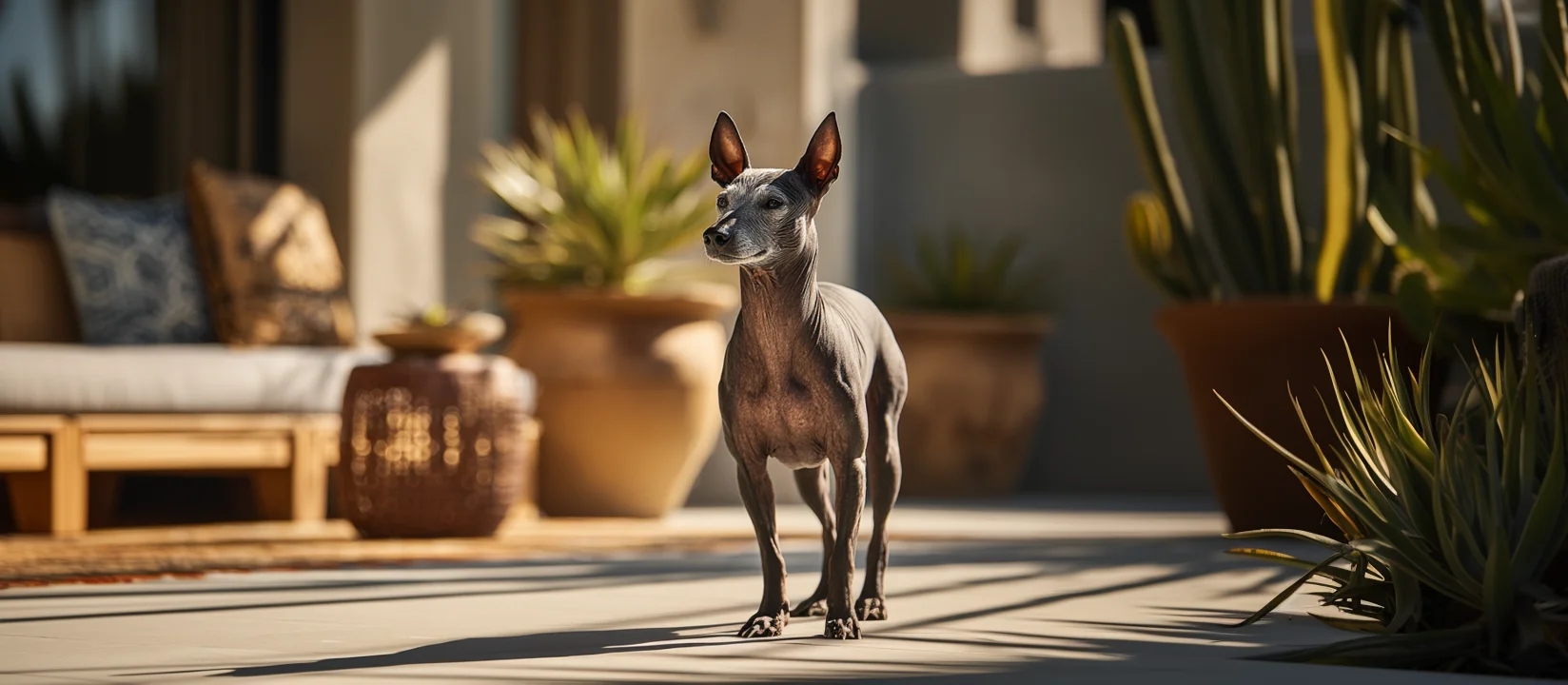
Xoloitzcuintli
Breed Facts
Height
10-23 inches (varies by type)
Weight
3-50 pounds (varies by type)
Lifespan
13-18 years
Key Traits
Overview
Ancient, devoted companions with sleek coats (or hairless skin) and a calm, thoughtful spirit. These intelligent, affectionate dogs blend dignified independence with deep loyalty—perfect for individuals and families seeking a unique, loving friend who values close bonds and brings quiet elegance and warmth to the home.
Temperament & Personality
The Xoloitzcuintli (pronounced "show-low-eats-QUEENT-lee") is a calm, intelligent, and loyal breed. Xolos form very strong bonds with their families and are typically affectionate with their people. They tend to be reserved or wary around strangers – a trait that makes them excellent watchdogs. Xolos are generally calm indoors and adapt to family life well, but they also enjoy playtime and activity. They usually get along with well-behaved children and other pets when properly introduced.
Note that Xolos have a strong prey drive: they may instinctively chase small animals like squirrels or rabbits, so it's wise to keep them leashed or fenced outdoors. In short, your Xolo will be devoted and alert, protective of home and family, yet good-natured with those it knows.
Care, Living Environment, & Grooming
Xolos are very adaptable to living in either houses or apartments, provided they get daily exercise. Give your Xolo regular walks or fenced playtime (about 20–30 minutes a day) and they'll happily relax indoors. Because many Xolos have little to no coat, they need special climate care: you may dress them in a sweater or coat in cold weather, and always protect their bare skin from sun and harsh weather.
Grooming is quite simple for hairless Xolos. Key tasks include:
- Weekly baths: Use a gentle, hypoallergenic dog shampoo to cleanse and reduce skin acne
- Daily skin care: Between baths, wipe down your Xolo with a damp cloth to remove dirt and oil
- Moisturizing: Apply a dog-safe moisturizer regularly to prevent dry or flaky skin
- Sun protection: Coat your dog with a pet-friendly sunscreen before any sun exposure
- Ear care: Clean and dry the ears after bathing to prevent infection
Because Xolos don't shed their coats, grooming costs are low, but skin care products (moisturizer, sunscreen, special shampoo) are a regular expense. Feed a high-quality, balanced diet and measure meals carefully – Xolos can become overweight if overfed. In all seasons, indoor temperature should be comfortable for hairless skin, and avoid leaving a hairless Xolo outside in the sun for long periods.
Training & Socialization
Xolos are smart and learn quickly with reward-based training. Use positive reinforcement (treats, praise) consistently. Because this is a primitive breed, start training early and keep it regular. These dogs can be sensitive to training style, so avoid harsh methods.
Socialization is especially important: expose your puppy to many different people, pets, and places from an early age so it grows up confident. Xolos can be slow to warm up to strangers, so early socialization will help them be more relaxed with guests. Crate training and obedience classes can be helpful, as Xolos have strong protective instincts. In summary, patience and consistency—plus lots of treats—will help a first-time owner succeed with this breed.
Health Considerations
Xoloitzcuintlis are generally very healthy dogs with a long lifespan (about 13–18 years). Common concerns are usually related to their unique skin and build:
- Skin Conditions: Hairless Xolos often develop acne or blackheads on the skin. They need regular baths and skin care (as above) to prevent infections or sores. Also beware of sunburn – always use sunscreen on exposed skin
- Hip Dysplasia: Despite their build, Xolos can inherit hip dysplasia. Responsible breeders screen hips with X-rays. Look for limping or stiffness as the dog ages
- Patellar Luxation: Kneecap slippage can occur in Xolos. Mild cases may require supplements or monitoring, while severe cases sometimes need surgery
- Dental/Gum Issues: The hairless gene often causes Xolos to be born without all their teeth. Regular dental care is still important to prevent gum disease in the teeth they have
- Cardiac and Eye Conditions: The breed club recommends cardiac and ophthalmology exams. Heart murmurs and eye diseases (like PRA) can occur
In general, screen for joints (hips, knees) and eyes as recommended, and keep up with routine vet visits. Most Xolos live well into their teens if cared for, given proper protection for their sensitive skin.
Cost of Ownership
The annual costs for a Xoloitzcuintli are similar to any small dog, with a few unique items. Plan around $1,500–$2,000 per year total. For breakdown: Food might run about $300/year, and routine vet care (wellness exams, vaccines, preventives) about $200–$300. Pet health insurance often costs $400–$600/year.
Grooming is minimal since most coat-less Xolos don't shed, but factor in expenses for special shampoo, moisturizers, and sunscreen (perhaps $100–$200/year). In the first year, expect extra costs: spaying/neutering ($300) and puppy shots ($200+). With normal care, Xolo owners can budget around $150 a month for basics (food, vet, supplies) plus occasional one-time fees in year one.
Pros and Cons
Pros
- Nearly no shedding (virtually hypoallergenic)
- Strongly bonded with family and typically affectionate
- Excellent watchdog instincts (alert and protective)
- Comes in three sizes, so you can choose standard, miniature or toy
- Generally calm indoor demeanor once exercised
Cons
- Requires special skin care (baths, sunscreen) every day
- Can be wary of strangers and slow to warm up
- Needs extensive socialization and training early to counter shyness
- Sensitive to extreme weather (cold or sun) due to lack of coat
- Hairless Xolos often have missing teeth (rarely causes problems, but dental care is important)
Fun Facts
- The Xoloitzcuintli is an ancient Aztec breed over 3,000 years old, originally revered as a "dog of the gods".
- Aztec and Maya cultures believed Xolos guided souls in the afterlife; today the Xolo is honored as Mexico's official dog.
- The hairless trait is genetic: many hairless Xolos are born with missing teeth, a quirk of the gene for their baldness.
Frequently Asked Questions
Do Xoloitzcuintlis shed a lot?
No. Hairless Xolos do not shed hair at all, and even the coated variety sheds very minimally. Many people with allergies prefer Xolos for this reason (though no dog is completely allergy-free). Overall, you'll find almost no fur in the house when you own a Xolo.
Are Xolo dogs good apartment pets?
Yes. Xolos adapt well to apartment living as long as they get daily exercise. They are calm indoors and happiest by your side. Just be mindful of temperature and provide protection (clothes or a warm area) in extreme cold, since they have little hair.
How much exercise does a Xoloitzcuintli need?
A moderate amount. These dogs enjoy daily walks and playtime (about 20–30 minutes each day). If they get enough activity and mental stimulation, Xolos stay relaxed at home. Without exercise, they may become restless or voice their watchful nature (barking to alert).
Can first-time owners handle a Xolo?
Yes, especially if they commit to the Xolo's needs. Xolos are intelligent and eager to please with positive training, but they do need consistent guidance and socialization due to their guarded nature. First-time owners should start training early and give plenty of social interaction. With a calm, confident approach, a new dog parent can successfully raise a happy, well-behaved Xolo.
References
Personality Profile
Find your perfect puppy pair!
Take our quick personality quiz to find the breeds that match your personality.
Start Quiz NowKey Traits
Temperament
affectionate
Reserved
Cuddly
energy Level
Calm Companion
High-Energy Dynamo
Social Behavior
good With Children
Best with Adults/Older Kids
Kid-Friendly
barking Level
Quiet-Natured
Talkative
Care & Maintenance
shedding Level
Light Shedder
Heavy Shedder
exercise Needs
Short Walks Enough
Needs Daily Workouts
Learning & Cognition
trainability
Independent Thinker
Eager Learner
mental Stimulation Needs
Content Relaxer
Needs Challenges
Breed Facts
Height
10-23 inches (varies by type)
Weight
3-50 pounds (varies by type)
Lifespan
13-18 years
Key Traits
You Might Also Like
Find Your Perfect Puppy Pair
Take our scientifically-backed personality quiz to discover which dog breeds align with your personality.
Start the Quiz