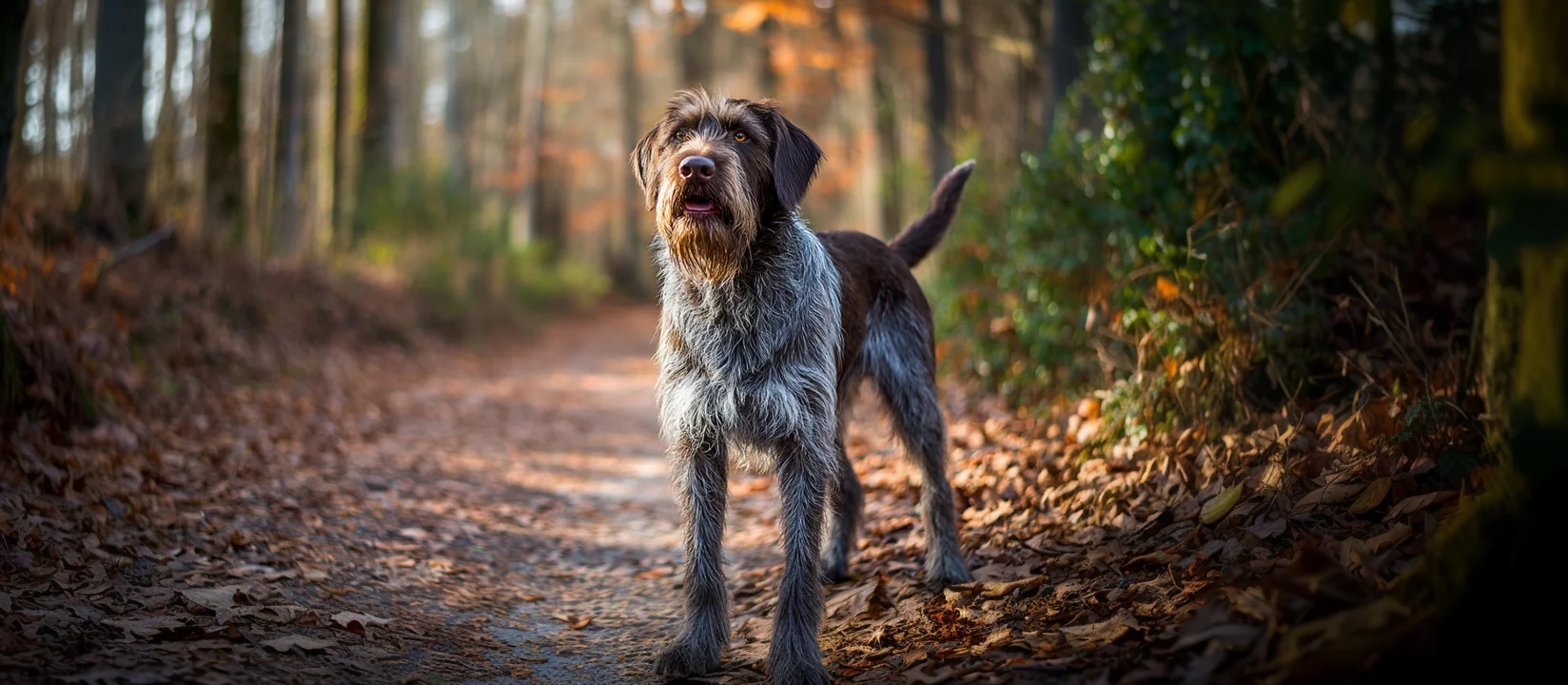
Wirehaired Pointing Griffon
Breed Facts
Height
22-24 inches (male), 20-22 inches (female)
Weight
50-70 pounds (male), 35-50 pounds (female)
Lifespan
12-15 years
Key Traits
Overview
Energetic, devoted sporting dogs with shaggy coats and expressive eyes. These enthusiastic, intelligent companions blend tireless drive with affectionate loyalty—perfect for active families and hunters seeking a versatile, loving friend who thrives on adventure, close bonds, and plenty of outdoor fun.
Temperament & Personality
You’ll find the Wirehaired Pointing Griffon (WPG) to be an outgoing, gentle soul with a playful streak. Bred as the “supreme gundog,” this breed loves outdoor adventures but also has a calm, affectionate side at home. Griffs bond closely with their families and tend to be patient and loving with respectful children and other dogs. They thrive on human companionship—don’t expect a WPG to enjoy being left alone or in a kennel for long stretches. With strangers, they may be a touch reserved at first, but early socialization helps ensure a confident, friendly demeanor. Many WPG owners also note the breed’s humorous, quirky personality; these dogs have a charmingly scruffy look and often exhibit comical antics that keep their families entertained.
Care, Living Environment & Grooming
As an active sporting breed, the Wirehaired Pointing Griffon needs plenty of daily exercise. Plan on at least 60 minutes of physical activity each day—brisk walks, energetic games of fetch, or opportunities to run and explore. These dogs excel at hiking, swimming, and of course hunting scenarios, so they’re ideal for outdoorsy owners. Without sufficient exercise and mental stimulation, a Griffon can become bored and may resort to mischief or excessive barking.
Living environment: WPGs adapt best to homes where they have room to romp. A house with a securely fenced yard is ideal. They can live in smaller homes or apartments if you commit to multiple daily exercise sessions, but generally this breed isn’t well-suited to a sedentary lifestyle. Thanks to a weather-resistant double coat, Griffons handle cold and wet conditions well (they were bred to work in fields and water). However, like any dog, they should have a warm indoor space to relax. In hotter climates, make sure to provide shade and water—while they’re fairly hardy, intense heat can cause discomfort due to their dense coat.
Grooming: The Wirehaired Pointing Griffon’s coarse, double coat sheds very little compared to most breeds. Weekly brushing will remove dead hair and keep their “unkempt” fur looking healthy. Their coat grows relatively slowly and doesn’t require frequent clipping; just trim stray hairs around the eyes and feet occasionally to keep them neat. During spring and fall, you might notice a bit more shedding as the soft undercoat molts in warmer weather. Other grooming tasks include routine ear and dental care:
- Brush the coat weekly with a slicker or pin brush to prevent mats and minimize shedding.
- Trim the long hairs around the face, ears, and paws as needed (often every few months).
- Check and clean the ears weekly to prevent wax buildup or infections (their ear canals can trap moisture after swimming).
- Nail and dental care: Trim nails monthly and brush your Griff’s teeth regularly to maintain overall health.
Feeding your WPG a high-quality diet is important to fuel their energetic lifestyle. Split the daily food into two smaller meals (morning and evening) rather than one large meal, as this can reduce the risk of bloat. Always provide fresh water, especially after exercise.
Training & Socialization
Wirehaired Pointing Griffons are intelligent, eager-to-please dogs that generally take well to training. As a first-time owner, you’ll appreciate their cooperative attitude and quick wit—training sessions can be fun and engaging. Use positive reinforcement methods such as treats, praise, and play; Griffs have a sensitive side and respond best to gentle, consistent guidance. Harsh discipline can cause them to shut down, whereas upbeat training keeps their tail wagging.
Early socialization is key to raising a well-rounded Griffon. Introduce your pup to a variety of people, dogs, and environments during puppyhood. This helps curb any shyness or wariness toward strangers and ensures they grow into a confident adult. Socialization also helps moderate their natural alertness. WPGs can be vocal watch-dogs—quick to bark when someone’s at the door or if something seems amiss. Teaching a “quiet” command and rewarding calm behavior will help manage excessive alert barking. Additionally, remember their prey drive: as hunting dogs, Griffons might chase small animals (like cats or squirrels). Training them on recall and providing supervised introductions to smaller pets will be important if your household includes such companions. Overall, with patient, reward-based training and ample social exposure, your Wirehaired Griffon will flourish into a polite, well-behaved member of the family.
Health Considerations
Wirehaired Pointing Griffons are generally a healthy breed with a typical lifespan of around 12–15 years. Thanks to responsible breeding practices, they have relatively few prevalent issues, but it’s wise to be aware of potential hereditary conditions. Reputable breeders will often have the parent dogs screened (hip and eye evaluations are common) to reduce the risk of these problems. Some health considerations for WPGs include:
- Hip Dysplasia – a malformation of the hip joint that can cause arthritis or lameness. Fortunately, this condition is uncommon in Griffons (only around 4–5% of tested WPGs have been affected). Maintaining a healthy weight and regular vet check-ups can help catch or manage hip issues early.
- Progressive Retinal Atrophy (PRA) – an inherited eye disease that causes gradual vision loss and eventual blindness in older dogs. There is no cure, but breeders can screen for PRA and affected dogs often adapt well to vision changes over time.
- Cataracts – clouding of the eye’s lens, which can appear in some Griffons as they age. Significant cataracts can impair vision, but a veterinary ophthalmologist can perform surgery to restore sight if needed.
- Gastric Dilatation-Volvulus (Bloat) – a life-threatening condition common to deep-chested breeds, where the stomach fills with gas and twists. Though WPGs are medium-sized, bloat is still a concern. Preventative measures include feeding two smaller meals a day (instead of one big meal) and avoiding vigorous exercise immediately after eating.
Schedule regular veterinary wellness exams and stay current with recommended screenings (like hip X-rays and annual eye exams) to keep your Griffon in top shape. With proper care, most Wirehaired Pointing Griffons remain spry and healthy throughout their lives.
Cost of Ownership
Bringing a Wirehaired Pointing Griffon into your family comes with financial responsibility. On average, about $1,800 per year is a reasonable cost estimate for caring for this breed in the U.S. Here’s how that might break down:
- Food: ~$600 annually for a quality dog food to fuel an active WPG (they eat roughly 2–3 cups per day, depending on size and activity).
- Routine Vet Care: ~$300 per year for check-ups, vaccinations, and preventative medications (like heartworm and flea/tick protection).
- Pet Insurance: ~$400 per year, if you opt for a plan to help cover unexpected illnesses or injuries (premiums vary by provider and coverage).
- Grooming: ~$200 per year. Griffons don’t require excessive professional grooming, but you might spend on occasional hand-stripping or trimming sessions, plus home grooming tools and shampoos.
- Supplies & Misc: ~$300 on toys, treats, training classes, and other incidentals.
Keep in mind, first-year costs will be higher—spaying/neutering, initial vaccines, a crate, leash, and other one-time purchases can easily add a couple of thousand dollars to that first year. Planning and budgeting for these expenses will ensure your Griffon gets everything they need without surprises.
Pros and Cons
Pros
- Friendly and affectionate with family; generally great with kids and other dogs.
- Low-shedding coat (less hair around the house, often tolerated by allergy-prone people).
- Intelligent and eager to please, making training enjoyable for attentive owners.
- Versatile outdoor companion – excels in activities like hiking, hunting, and swimming.
- Generally healthy and hardy, with a good lifespan for a medium-large dog.
Cons
- High energy level requires substantial daily exercise (not a couch potato breed).
- Not well-suited for apartment living unless you’re very committed to exercise outings.
- Coat needs regular brushing and occasional trimming to stay healthy (and they can look messy).
- Can be a bit reserved or shy with strangers if not well socialized.
- May have a strong prey drive and tendency to chase smaller animals (needs supervision around cats or wildlife).
Fun Facts
-
The Wirehaired Pointing Griffon was developed by a Dutch breeder, Eduard Karel Korthals, in the late 19th century. His goal was to create the ultimate all-purpose hunting dog – and the breed is still sometimes nicknamed the “Korthals Griffon” in his honor.
-
When the breed was first registered by the AKC in 1887, it was mistakenly listed as a “Russian Setter.” Despite the mix-up, the WPG quickly gained recognition for its unique skills in the field.
-
Griffons are known for their distinctive look: their mustache and bushy eyebrows give them a friendly, almost comical expression. This lovable appearance matches their fun-loving, sometimes goofy personality.
Frequently Asked Questions
Do Wirehaired Pointing Griffons shed a lot?
No – one of the perks of this breed is its minimal shedding. Wirehaired Pointing Griffons have a wiry, low-shedding coat. You’ll notice far less loose hair around your home compared to heavy shedders. Regular weekly brushing will capture most of the dead fur and dander, keeping shedding very light. Keep in mind that no dog is completely shed-free, but WPGs come pretty close.
Are Wirehaired Pointing Griffons good apartment dogs?
Generally, this breed is not ideal for apartment living. Griffons are high-energy hunting dogs that crave space to run and play. In an apartment, they could become restless or bored without a lot of outdoor exercise. That said, if you’re a very active person committed to multiple long walks, runs, or park trips every single day, a WPG could adapt to apartment life. The key is making sure they get plenty of physical activity and mental stimulation so they don’t develop bad habits out of boredom.
How much exercise does a Wirehaired Pointing Griffon need?
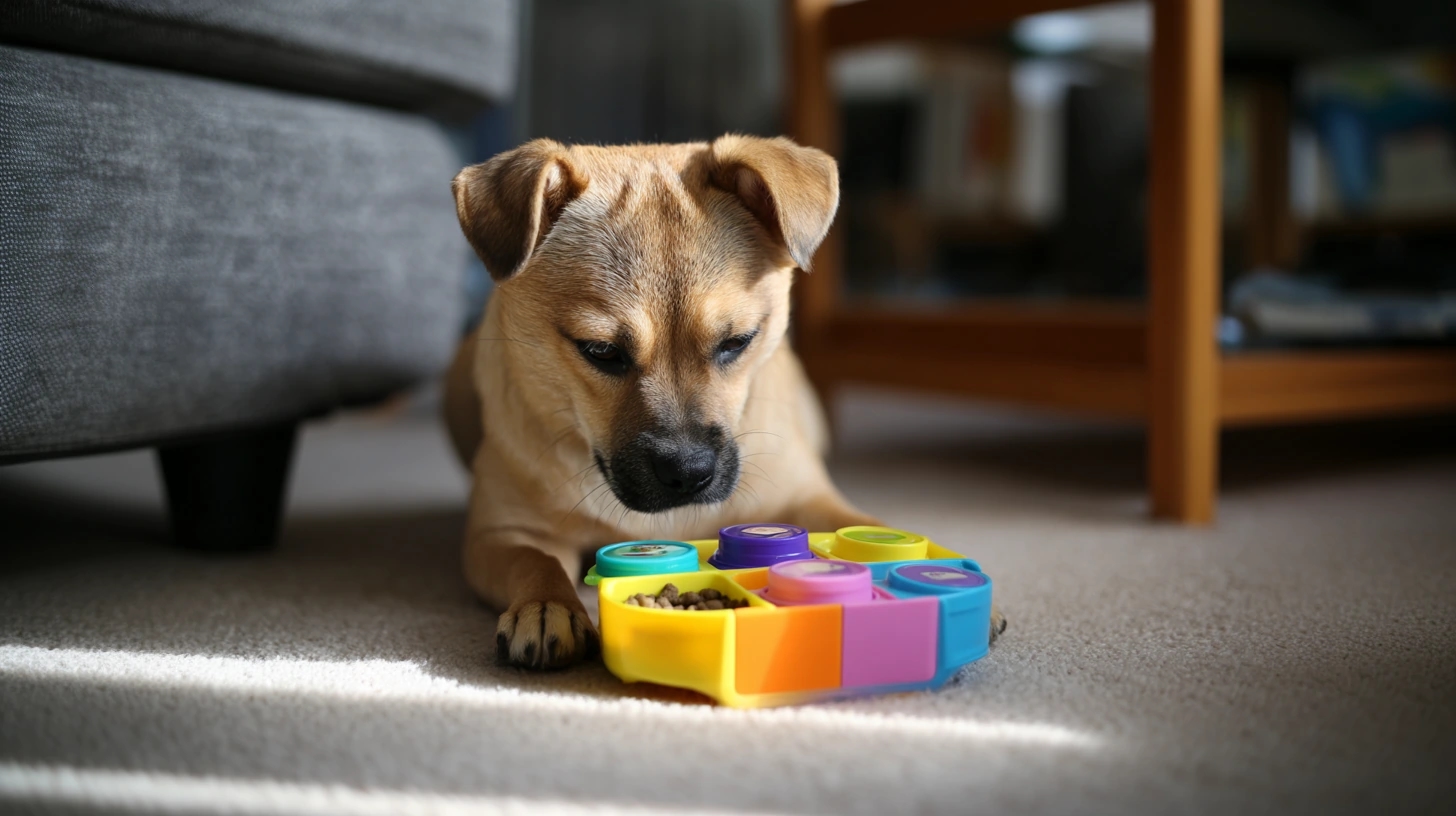
A lot! Plan on giving your Griffon at least an hour of substantial exercise each day. These dogs have stamina and love to work, so activities like brisk walks, jogging, hiking, or fetching in the yard are excellent. Many WPGs also enjoy swimming or could accompany you on bike rides. Beyond physical exercise, don’t forget mental workouts—training sessions, puzzle toys, or scent-tracking games will help tire out their active minds. A well-exercised Griffon is a happy, well-behaved companion.
Can first-time owners handle a Wirehaired Pointing Griffon?
Yes, with the right mindset. WPGs are generally friendly, trainable, and eager to please, which can make them suitable for a dedicated first-time owner. If you’re willing to put in the time for daily exercise and consistent training, a Griffon can be a rewarding first dog. They aren’t as stubborn as some breeds, and their affectionate nature means they bond closely with novice owners. Just be prepared for an active lifestyle—this breed will keep you on your toes (in a good way). If you’re up for the commitment, a Wirehaired Pointing Griffon can absolutely be a great choice for a first dog.
References
Personality Profile
Find your perfect puppy pair!
Take our quick personality quiz to find the breeds that match your personality.
Start Quiz NowKey Traits
Temperament
affectionate
Reserved
Cuddly
energy Level
Calm Companion
High-Energy Dynamo
Social Behavior
good With Children
Best with Adults/Older Kids
Kid-Friendly
barking Level
Quiet-Natured
Talkative
Care & Maintenance
shedding Level
Light Shedder
Heavy Shedder
exercise Needs
Short Walks Enough
Needs Daily Workouts
Learning & Cognition
trainability
Independent Thinker
Eager Learner
mental Stimulation Needs
Content Relaxer
Needs Challenges
Breed Facts
Height
22-24 inches (male), 20-22 inches (female)
Weight
50-70 pounds (male), 35-50 pounds (female)
Lifespan
12-15 years
Key Traits
You Might Also Like
Find Your Perfect Puppy Pair
Take our scientifically-backed personality quiz to discover which dog breeds align with your personality.
Start the Quiz