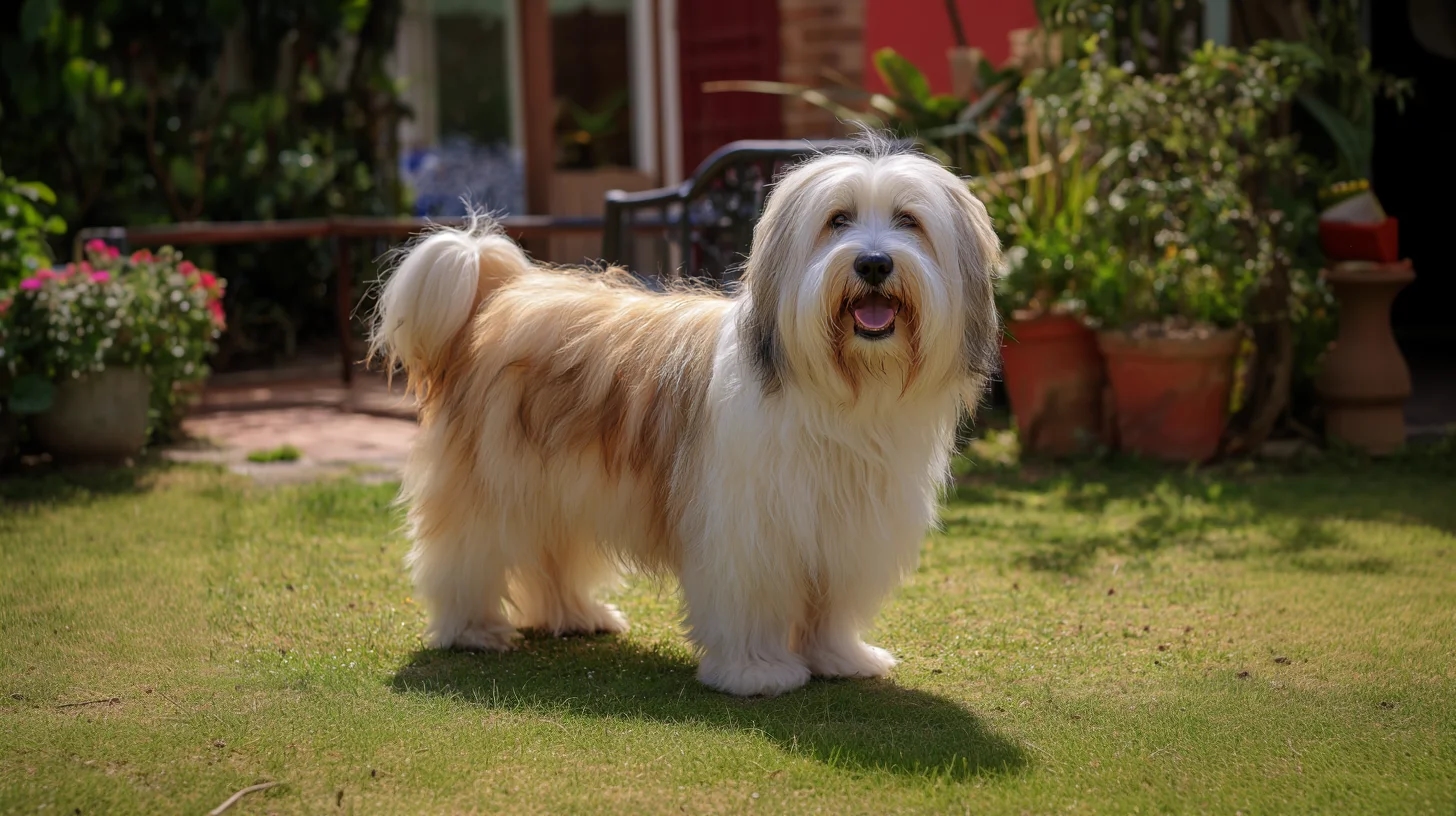
Tibetan Terrier
Breed Facts
Height
14-17 inches
Weight
18-30 pounds
Lifespan
12-16 years
Key Traits
Overview
Cheerful, affectionate companions with shaggy coats and an adaptable, spirited nature. These intelligent, devoted dogs blend playful charm with gentle loyalty—perfect for families and individuals seeking a loving, lively friend who thrives on close bonds and brings warmth and joy to every adventure.
Temperament & Personality
Your Tibetan Terrier is gentle and affectionate, with a calm, loving nature. They form strong bonds with family and usually get along well with other pets and with children. However, they may be reserved around strangers, so early socialization helps them become more confident. Unlike many terriers, Tibetan Terriers tend to stay quiet and relaxed indoors, though they will bark to alert you if something seems amiss. Their friendly, loyal disposition makes them wonderful companions.
Care, Living Environment, & Grooming
Tibetan Terriers have moderate exercise needs. A couple of daily walks (around 15 minutes each) plus playtime usually keeps them happy and healthy. This manageable energy level means they adapt well to apartment living, provided their activity needs are met. They thrive on human company, so being around family most of the day prevents them from getting anxious.
Their long, dense coat requires committed grooming. Plan to brush your TT daily to prevent tangles. For example:
- Daily: Brush through the coat thoroughly (detangler spray can help) and remove any burrs after outdoor play.
- Weekly: Comb the coat to find and loosen any mats; bathe only when necessary.
- Every 3–4 weeks: Trim nails and trim or tie up hair around the eyes and feet. Clean the ears monthly.
- Grooming (optional): Some owners trim or clip their TT's coat every few months for easier maintenance.
Tibetan Terriers typically eat about 1.5–2 cups of high-quality dog food per day (split into two meals). Keep portions in check and avoid overfeeding treats, as TTs can gain weight if given too many extras.
Training & Socialization
Training a Tibetan Terrier is straightforward due to their intelligence and people-pleasing nature. They respond very well to positive reinforcement (treats, praise) but can show a stubborn streak, so stay patient and consistent. Early socialization is also important: gently expose your TT to new people, pets, and experiences to build confidence. Tibetan Terriers were bred as watchdogs and may bark at unfamiliar sights or sounds. By gradually introducing them to different situations, you can minimize excessive barking and separation anxiety, helping them become well-mannered companions.
Health Considerations
Tibetan Terriers are known for longevity (often 12–16 years), but they have a few genetic health concerns. Common issues include:
- Eye problems: cataracts, progressive retinal atrophy (PRA), or lens luxation.
- Hip dysplasia: abnormal hip joint development (can require surgery).
- Hypothyroidism: underactive thyroid, affecting weight and coat.
- Luxating patella: dislocating kneecap.
- Neuronal Ceroid Lipofuscinosis (NCL): a rare neurologic disease.
- Heart murmurs: may indicate heart disease; have your vet check.
To maximize health, choose a breeder who screens for these conditions (eye exams, hip scores, thyroid tests) and keep up with regular veterinary check-ups.
Cost of Ownership
Expect costs similar to other medium purebreds—around $1,800 per year. Major expenses include:
- Food: ~$300–400/year.
- Veterinary care: ~$400–500/year for wellness exams and vaccines.
- Pet insurance: ~$800–900/year if you choose coverage.
- Grooming: High because of the thick coat; professional trims can cost hundreds annually.
- Other supplies: Leashes, toys, and training classes add to first-year costs.
Budget about $100–150/month for food, vet care, and basics, more if you use professional grooming or insurance.
Pros and Cons
Pros
- Affectionate, gentle temperament.
- Adaptable to apartment living (moderate energy).
- Gets along well with respectful children and other pets.
- Very low-shedding coat.
Cons
- High-maintenance grooming requirements.
- Prone to alert barking if bored.
- Separation anxiety if left alone too much.
- Can be stubborn during training (requires patience).
Fun Facts
- Tibetan Terriers were never sold in Tibet but given as gifts for good luck.
- Their Tibetan name Tsang Apso means "shaggy dog," reflecting their thick coat.
Frequently Asked Questions
Do Tibetan Terriers shed a lot?
No – Tibetan Terriers are very low-shedding. Their thick double coat holds most hairs, so loose fur is minimal. Regular brushing removes any shed hairs before they spread.
Are Tibetan Terriers good apartment dogs?
Yes, Tibetan Terriers can live happily in apartments with daily exercise. They are moderate-energy dogs and tend to stay calm indoors if they get their walks or play sessions each day.
How much exercise does a Tibetan Terrier need?
They need about 15–20 minutes of exercise each day, such as two short walks or play sessions. This moderate amount is usually enough to keep a Tibetan Terrier healthy and content.
Can first-time owners handle a Tibetan Terrier?
Yes, generally. Tibetan Terriers are friendly and trainable, making them good family dogs. They do require daily grooming and attention. A first-time owner who can commit to this care will find a Tibetan Terrier to be a loyal and rewarding companion.
References
Personality Profile
Find your perfect puppy pair!
Take our quick personality quiz to find the breeds that match your personality.
Start Quiz NowKey Traits
Temperament
affectionate
Reserved
Cuddly
energy Level
Calm Companion
High-Energy Dynamo
Social Behavior
good With Children
Best with Adults/Older Kids
Kid-Friendly
barking Level
Quiet-Natured
Talkative
Care & Maintenance
shedding Level
Light Shedder
Heavy Shedder
exercise Needs
Short Walks Enough
Needs Daily Workouts
Learning & Cognition
trainability
Independent Thinker
Eager Learner
mental Stimulation Needs
Content Relaxer
Needs Challenges
Breed Facts
Height
14-17 inches
Weight
18-30 pounds
Lifespan
12-16 years
Key Traits
You Might Also Like
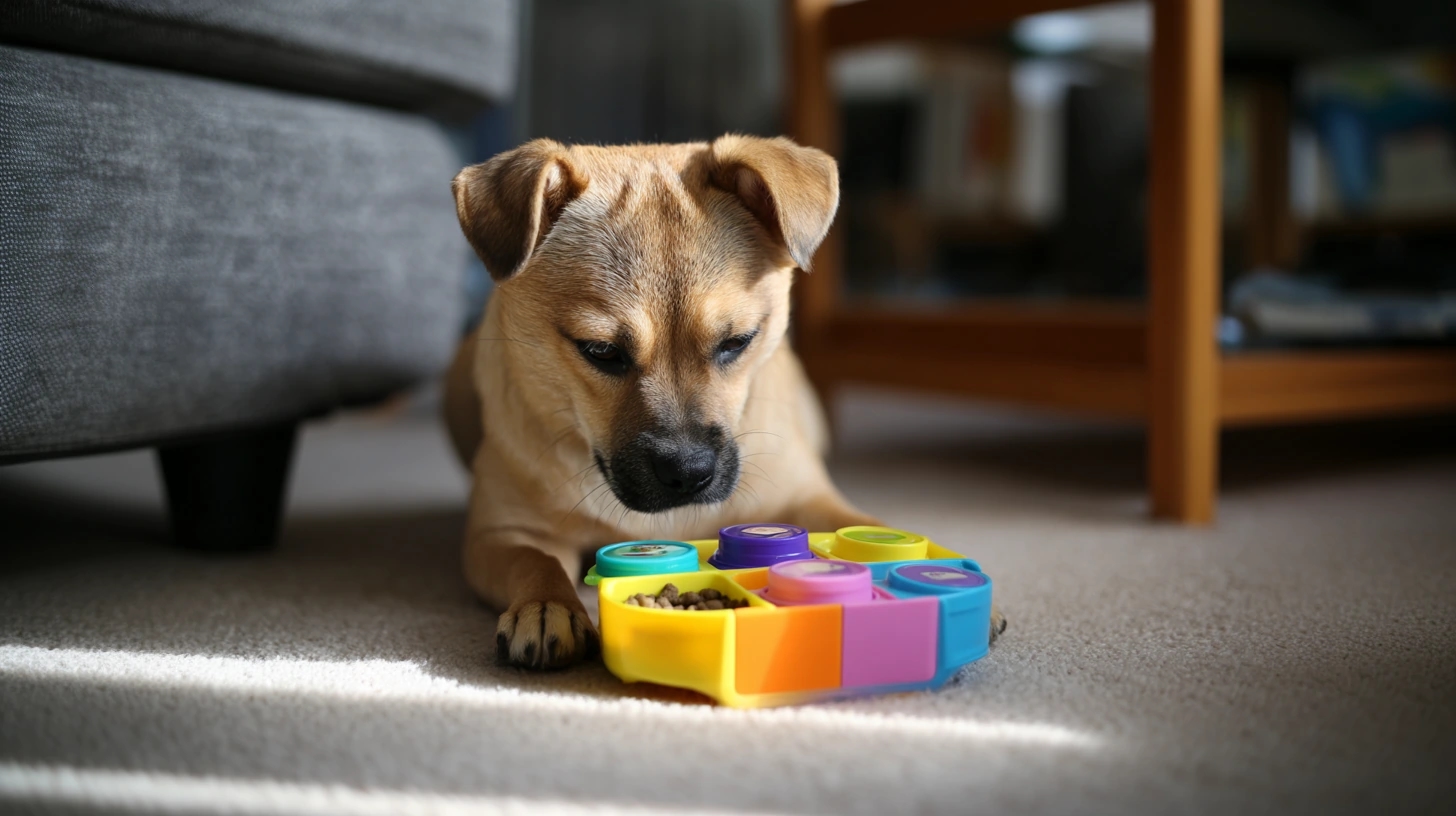
Find Your Perfect Puppy Pair
Take our scientifically-backed personality quiz to discover which dog breeds align with your personality.
Start the Quiz