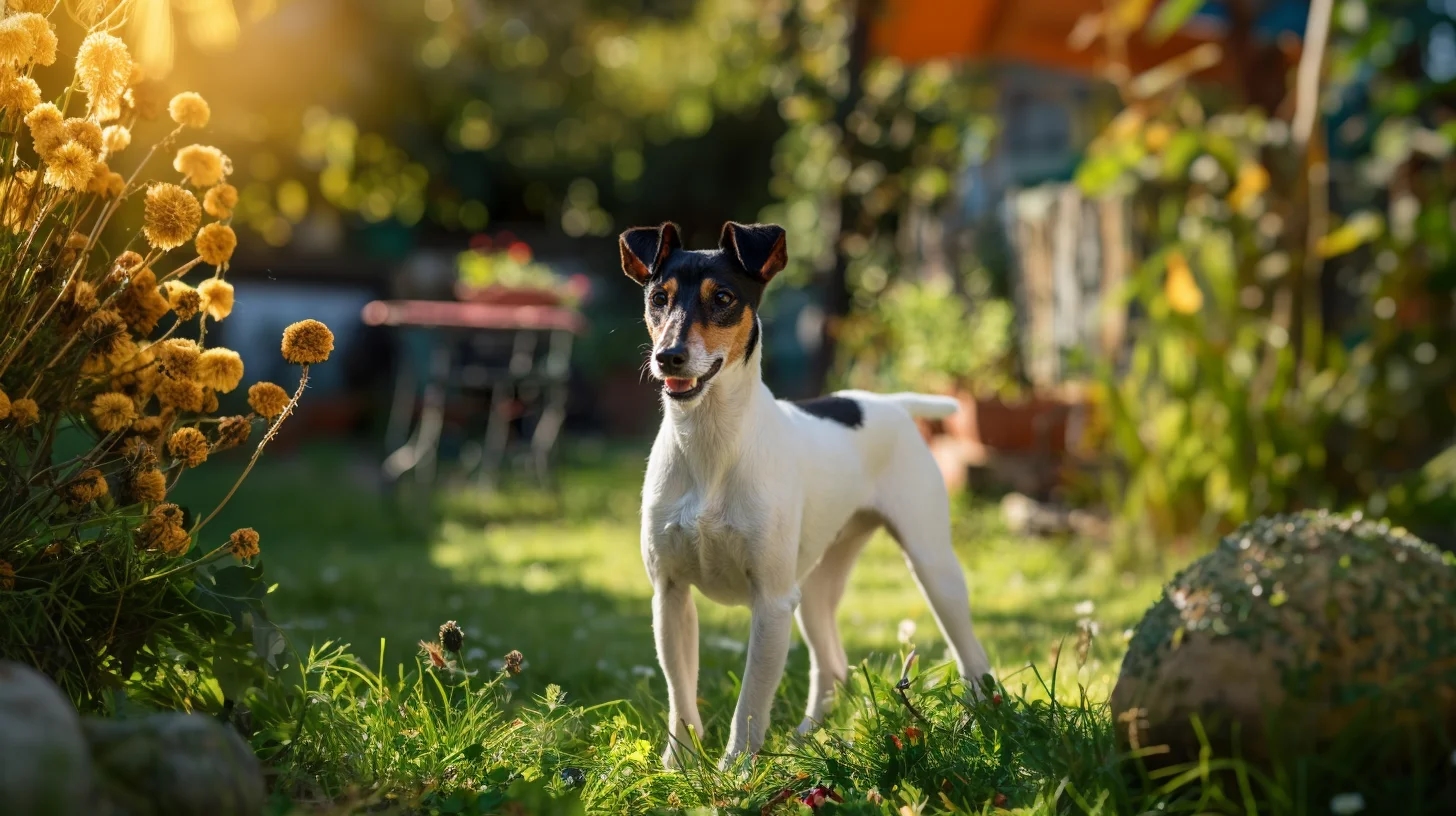
Smooth Fox Terrier
Breed Facts
Height
15-18 inches
Weight
15-19 pounds
Lifespan
12-15 years
Key Traits
Overview
Lively, bold companions with sleek coats and an unstoppable, playful spirit. These intelligent, fearless dogs blend boundless energy with deep devotion—perfect for active individuals and families seeking a spirited, entertaining friend who loves adventure, close bonds, and being the center of attention.
Temperament & Personality
The Smooth Fox Terrier is a study in vibrant contrasts, blending the heart of a devoted companion with the unquenchable spirit of a hunter. The breed standard captures their essence perfectly, calling for a "generally gay, lively and active appearance". This isn't just a description; it's the core of their being. Your SFT will approach life with boundless enthusiasm, a clever sense of humor, and a notable mischievous streak. They are cheerful, endlessly entertaining, and full of character.
Beneath that spirited exterior lies a deeply loyal and affectionate dog. Smooth Fox Terriers form powerful bonds with their families and thrive on human companionship, often becoming a constant, four-legged shadow to their favorite person. This devotion makes them wonderful family pets, and they are generally playful and good-natured with older, considerate children who know how to respect a dog's boundaries. As watchdogs, they are second to none—always alert and quick to sound the alarm at an unfamiliar noise, yet typically friendly and welcoming to invited guests.
However, you must understand that your SFT is, first and foremost, a terrier. Bred for centuries to hunt foxes, they possess a formidable and deeply ingrained prey drive. This is not a trait that can be trained away. They will instinctively give chase to squirrels, cats, or any other small creature that crosses their path. This instinct can also manifest as a tendency to be assertive or even aggressive with other dogs, especially those of the same sex. For this reason, some SFTs are happiest as the only dog in the home. Early, consistent, and lifelong socialization is absolutely critical to help them navigate the world politely, but their hunting heritage is a permanent part of their personality.
Care, Living Environment, & Grooming
Caring for a Smooth Fox Terrier means committing to meeting the needs of a small, powerful athlete. Their well-being is directly tied to having proper outlets for their immense energy and instincts.
Your SFT's exercise needs are non-negotiable. This is a high-energy breed requiring a minimum of 60 to 90 minutes of vigorous activity every single day; some may even need up to two hours. A casual leash walk around the block will not suffice. They need brisk walks, the chance to run alongside you for a couple of miles, on-leash hikes, and intense games of fetch in a securely fenced area. Engaging them in dog sports like agility or Earthdog trials is an excellent way to satisfy both their physical and mental needs. A tired SFT is a calm and happy companion; a bored one will invent its own, often destructive, jobs, such as nuisance barking and digging.
In terms of living space, SFTs are adaptable. They can live happily in an apartment, but only if their extensive exercise requirements are met outdoors every day. Once their energy has been spent, they are relatively calm indoors. A home with a yard is often ideal, but that yard must be securely fenced. They are notorious diggers and escape artists, driven by their instinct to explore and chase.
Grooming the dog itself is straightforward, but managing their coat's impact on your home requires diligence. Their coat is short, dense, and hard, and while it's often called "low-maintenance," they are moderate shedders. The short, wiry hairs they shed have a unique ability to weave themselves into fabric, sticking tenaciously to furniture, carpets, and clothing.
- Weekly: Brush your dog with a firm bristle brush or a rubber hound glove. This is the most important step to remove dead hair before it ends up on your couch.
- Bi-Weekly to Monthly: Trim their nails as needed.
- Monthly (or as needed): Bathe your SFT about once every one to three months. Their coat dries quickly, but over-bathing can strip protective oils.
- Daily: Dental hygiene is critical. This breed is prone to dental disease, so brushing their teeth daily, or at least several times a week, is essential for their long-term health.
Training & Socialization
Training a Smooth Fox Terrier is a rewarding but often challenging endeavor that requires patience, consistency, and a deep appreciation for the terrier mind. They are exceptionally intelligent and can learn new tricks and commands with surprising speed. However, their intelligence is paired with a strong-willed, independent nature, a trait essential for a dog bred to think for itself while hunting underground. This independence can easily be perceived as stubbornness during training sessions.
The most effective approach is positive reinforcement. Use treats, praise, and toys to motivate your SFT, and keep training sessions short, fun, and engaging to hold their attention. A firm but fair hand is necessary; they will test boundaries, and consistency from all family members is key.
You must prioritize socialization from the moment you bring your puppy home. Enrolling in puppy classes with a trainer who understands terrier temperament is highly recommended. Positive exposure to a wide variety of people, sounds, places, and other dogs is crucial for developing a well-adjusted adult and tempering their natural assertiveness. Even with the best socialization, their prey drive is a constant. You must never trust a Smooth Fox Terrier off-leash in an unfenced area. Training a reliable recall is vital for safety, but it will always compete with their powerful instinct to chase.
Health Considerations
Smooth Fox Terriers are a robust and generally healthy breed with an impressive lifespan of 12 to 15 years. However, like all purebreds, they are genetically predisposed to certain health conditions. Responsible breeders screen their breeding stock for these issues, and you should always ask to see the health clearances for a puppy's parents.
- Primary Lens Luxation (PLL): An inherited eye disease where the ligaments holding the lens in place weaken and break, causing the lens to dislocate. This is extremely painful and can quickly lead to secondary glaucoma and permanent blindness. A DNA test is available to identify affected dogs and carriers.
- Patellar Luxation: A common condition in small breeds where the kneecap slips out of its groove. You might notice your dog suddenly skip or run on three legs for a few strides. Mild cases are managed with medication, while severe cases may require corrective surgery.
- Legg-Calve-Perthes Disease: An orthopedic condition affecting the hip joint in young, small-breed dogs. The blood supply to the head of the femur bone is disrupted, causing the bone to deteriorate, which results in pain and severe lameness. Surgery is often required for treatment.
- Congenital Deafness: Puppies can be born deaf in one or both ears. The only reliable way to diagnose this is with a Brainstem Auditory Evoked Response (BAER) test, which can be performed on puppies as young as four weeks old.
- Other Concerns: The breed can also be affected by hip and elbow dysplasia, other eye conditions like cataracts and glaucoma, and is highly prone to dental disease if proper care is not taken.
To ensure you are getting the healthiest puppy possible, discuss these recommended screenings with your breeder:
| Condition | Description | Recommended Screening |
|---|---|---|
| Primary Lens Luxation (PLL) | Inherited eye disease causing lens dislocation and potential blindness | DNA Test for PLL |
| Patellar Luxation | Kneecap slips out of place, causing lameness and arthritis | OFA/Veterinarian Patella Evaluation |
| Congenital Deafness | Inherited deafness present from birth | BAER Test |
| Hip Dysplasia | Malformation of the hip joint leading to arthritis | OFA/PennHIP X-ray Evaluation |
| Eye Conditions | Includes cataracts and other abnormalities | OFA Companion Animal Eye Registry (CAER) Exam |
Cost of Ownership
Owning a Smooth Fox Terrier involves a significant financial commitment. You can expect the average annual cost of ownership to be around $1800, though this can vary by location and your dog's specific needs. The first year is considerably more expensive, with the cost of a well-bred puppy ranging from $1,000 to over $2,000, plus initial vet care, supplies, and spaying or neutering.
Here is a typical breakdown of annual expenses:
- Food: A high-quality diet will cost approximately $400 to $720 per year.
- Routine Veterinary Care: This includes annual exams, vaccinations, and parasite prevention. Budget $500 to $1,000 annually for routine care.
- Pet Insurance: Given the breed's known hereditary conditions like PLL and Legg-Calve-Perthes, pet insurance should be considered an essential part of your budget, not an optional extra. It provides a crucial financial safety net for unexpected surgeries or treatments. Premiums typically range from $360 to $600 per year.
- Grooming & Miscellaneous: This includes brushes, nail clippers, toys, bedding, and other supplies, which may cost $100 to $300 annually.
Pros and Cons
Pros
- Intelligent, charismatic, and endlessly entertaining
- Deeply loyal and affectionate with their family
- Excellent, alert watchdog
- Simple coat care that requires no professional trimming
- Hardy and generally healthy with a long lifespan
Cons
- Extremely high energy and exercise requirements
- Powerful prey drive; cannot be trusted off-leash
- Innate tendency to dig and bark
- Can be strong-willed and challenging for novices to train
- May be assertive or aggressive toward other dogs
Fun Facts
- For decades, the Smooth Fox Terrier and the Wire Fox Terrier were considered two varieties of the same breed. The American Kennel Club did not officially recognize them as two distinct breeds until 1984.
- The breed's origins are tied to the height of English fox hunting in the 18th century. Their job was not to kill the fox, but to bravely go into its den and "bolt" it out for the hounds to chase.
- The Fox Terrier Club, founded in the UK in 1876 to represent both coat varieties, is one of the oldest and most historic breed clubs in the world.
Frequently Asked Questions
Do Smooth Fox Terriers shed a lot?
Yes, they are moderate shedders. Despite their short coat, they shed year-round and can have a heavier seasonal shed in the spring and fall. Their prickly hairs are known for embedding in fabrics, so regular brushing and vacuuming are necessary to keep it under control.
Are Smooth Fox Terriers good apartment dogs?
They can be, but only if you are fully committed to meeting their exercise needs. An SFT needs one to two hours of vigorous outdoor activity daily. Without this crucial outlet, their pent-up energy will likely manifest as nuisance barking and destructive behavior in a small living space.
How much exercise does a Smooth Fox Terrier need?
A significant amount. You should plan for at least 60 to 90 minutes of strenuous exercise every day. This needs to be more than a simple walk; think running, hiking, and intense games of fetch. A well-exercised SFT is a happy, calm housemate.
Can first-time owners handle a Smooth Fox Terrier?
This depends less on your experience and more on your lifestyle. A novice owner who is active, patient, and prepared to be consistent with training and management can absolutely succeed. However, a sedentary or inconsistent owner, no matter how experienced, will find this breed's energy and intelligence a major challenge.
References
Personality Profile
Find your perfect puppy pair!
Take our quick personality quiz to find the breeds that match your personality.
Start Quiz NowKey Traits
Temperament
affectionate
Reserved
Cuddly
energy Level
Calm Companion
High-Energy Dynamo
Social Behavior
good With Children
Best with Adults/Older Kids
Kid-Friendly
barking Level
Quiet-Natured
Talkative
Care & Maintenance
shedding Level
Light Shedder
Heavy Shedder
exercise Needs
Short Walks Enough
Needs Daily Workouts
Learning & Cognition
trainability
Independent Thinker
Eager Learner
mental Stimulation Needs
Content Relaxer
Needs Challenges
Breed Facts
Height
15-18 inches
Weight
15-19 pounds
Lifespan
12-15 years
Key Traits
You Might Also Like
Find Your Perfect Puppy Pair
Take our scientifically-backed personality quiz to discover which dog breeds align with your personality.
Start the Quiz