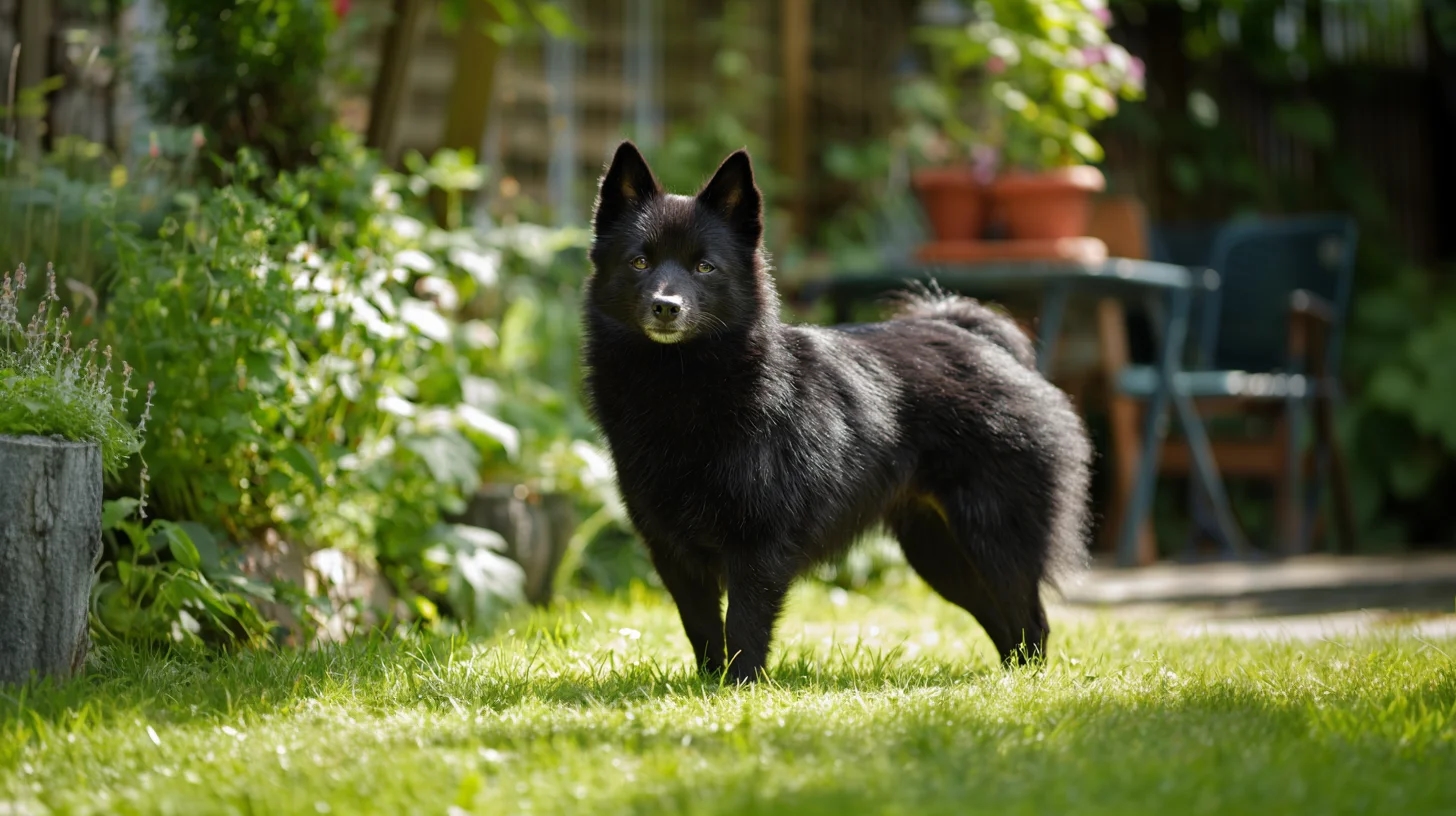
Schipperke
Breed Facts
Height
10-12 inches
Weight
10-16 pounds
Lifespan
13-15 years
Key Traits
Overview
Bold, lively companions with fox-like faces and an adventurous, mischievous spirit. These energetic, curious dogs blend fearless independence with loyal devotion—perfect for active individuals and families seeking a spirited, watchful friend who loves exploring, entertaining, and forming close bonds at home.
Temperament & Personality
Schipperkes are active, curious little dogs originally bred as barge watchdogs in Belgium. They are intelligent and bold, often described as "little devils" for their mischievous energy. Despite this spunk, they form strong bonds with family and are affectionately called "Velcro dogs" for their loyalty. They tend to be quite independent, though, and may become noisy or destructive (barking, chewing, digging) if they don't get enough exercise. Schipperkes are typically fearless and make excellent alert companions, but strong prey drive means they can chase small pets if not supervised.
Care, Living Environment, & Grooming
Schipperkes need daily activity to stay happy – plan on at least 30–60 minutes of exercise per day. A brisk walk plus play or dog sports each day will satisfy their energy. They adapt well to apartments if given regular outings, but a securely fenced yard is ideal because these little dogs are curious escape artists. In warm or cold extremes, provide appropriate shelter or air conditioning. Feed them in measured portions (typically two balanced meals per day) to prevent weight gain.
- Weekly: Brush the thick double coat to remove loose hair and keep it tangle-free
- Monthly: Bathe only as needed (Schipperkes dislike frequent baths) and trim nails; clean ears and teeth
- Seasonal: During heavy shed cycles (spring/fall), increase brushing frequency to manage extra hair
Their glossy double coat requires relatively little maintenance beyond brushing. Schipperkes shed moderately; regular weekly brushing keeps shedding under control. Overall, grooming is straightforward, but don't trim the coat – just brush and occasional baths.
Training & Socialization
Schipperkes are smart but can be stubborn. Start training and socialization early so they learn good manners. Use positive reinforcement (treats, praise, clicker) and short training sessions, since this breed can get bored with repetitive tasks. Because they have strong terrier instincts, early exposure to other people, dogs and pets is important. Proper socialization helps them accept cats and small animals instead of chasing them. With consistency and patience, they learn quickly, but be aware they can test limits due to their independent nature.
Health Considerations
Schipperkes are generally healthy and long-lived (around 12–16 years). Still, watch for breed-prone issues. Common concerns include:
- Luxating patella (kneecap slips out of place)
- Legg–Calvé–Perthes disease (degeneration of the femur head)
- Progressive retinal atrophy (PRA) (leading to blindness)
- Hypothyroidism (underactive thyroid)
- Dental disease (small breeds often have tartar and gum disease)
Early screenings (orthopedic exams, eye exams, thyroid tests) are wise. Maintaining a healthy weight and dental care (daily brushing) helps prevent problems.
Cost of Ownership
On average, expect about $1,500/year to own a Schipperke. Major costs include: food (~$300/year), routine vet care (vaccines and wellness visits $225 plus preventives $185), and pet health insurance ($500/year). Grooming costs are low (mainly brushes and occasional bath). First-year expenses can be higher ($2,000+) when you factor in spay/neuter, puppy vaccinations and equipment.
Pros and Cons
Pros
- Energetic, playful companion
- Loyal family watchdog
- Small, portable size
- Low-maintenance coat
Cons
- Tends to bark a lot
- Independent/stubborn streak
- Strong prey drive (chases small animals)
- Can escape if yard isn't secure
Fun Facts
- The name Schipperke means "little captain" in Flemish.
- Belgian Queen Marie-Henriette first popularized the breed in 1885.
- Comedian Lucille Ball and her husband Desi Arnaz were longtime Schipperke enthusiasts.
Frequently Asked Questions
Do Schipperkes shed a lot?
They have a dense double coat and shed moderately. Expect regular shedding year-round and heavier "blowouts" in spring/fall. Weekly brushing will catch most loose hair.
Are Schipperkes good apartment dogs?
Yes – their small size suits apartment life, provided you give them exercise. Schipperkes adapt well indoors if you take them out for daily walks and play. Bear in mind they are vocal, so they need training and activity to prevent boredom.
How much exercise does a Schipperke need?
Plan on at least 30–60 minutes of physical activity every day. A brisk daily walk plus some play or mentally stimulating games will keep a Schipperke happy and prevent unwanted behaviors.
Can first-time owners handle a Schipperke?
Schipperkes are best for owners who understand terrier traits. They can be independent and willful, so a confident owner is ideal. First-timers should be prepared for consistent training and daily exercise to meet this breed's needs.
References
Personality Profile
Find your perfect puppy pair!
Take our quick personality quiz to find the breeds that match your personality.
Start Quiz NowKey Traits
Temperament
affectionate
Reserved
Cuddly
energy Level
Calm Companion
High-Energy Dynamo
Social Behavior
good With Children
Best with Adults/Older Kids
Kid-Friendly
barking Level
Quiet-Natured
Talkative
Care & Maintenance
shedding Level
Light Shedder
Heavy Shedder
exercise Needs
Short Walks Enough
Needs Daily Workouts
Learning & Cognition
trainability
Independent Thinker
Eager Learner
mental Stimulation Needs
Content Relaxer
Needs Challenges
Breed Facts
Height
10-12 inches
Weight
10-16 pounds
Lifespan
13-15 years
Key Traits
You Might Also Like
Find Your Perfect Puppy Pair
Take our scientifically-backed personality quiz to discover which dog breeds align with your personality.
Start the Quiz