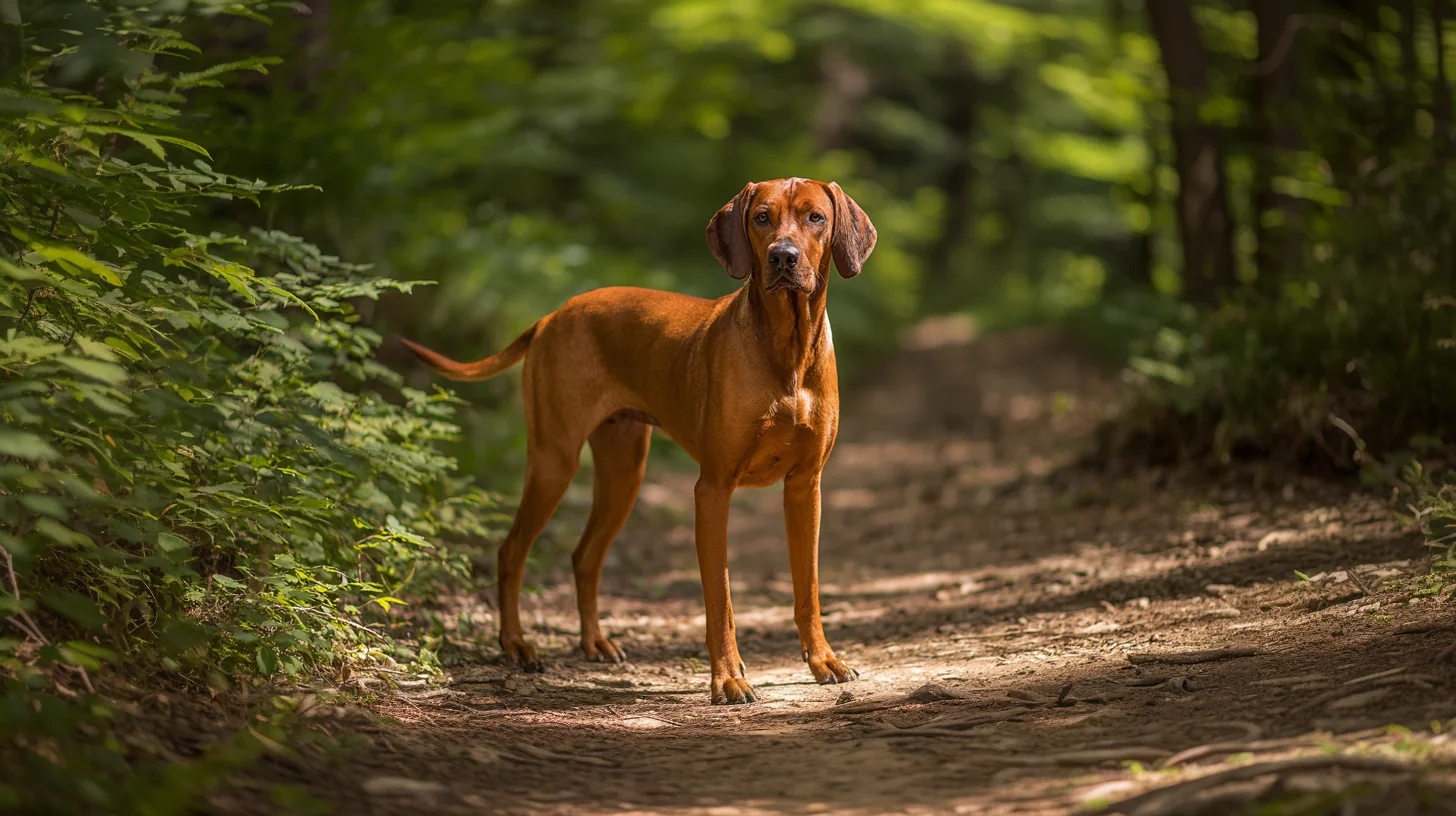
Redbone Coonhound
Breed Facts
Height
21-27 inches
Weight
50-75 pounds
Lifespan
12-15 years
Key Traits
Overview
Affectionate, spirited companions with sleek red coats and an eager, adventurous spirit. These friendly, determined dogs blend powerful hunting instincts with deep devotion—perfect for active families and individuals seeking a joyful, loyal friend who loves exploring the outdoors and sharing close bonds at home.
Temperament & Personality
Like many hounds, your Redbone Coonhound lives a life of contrasts. At home, you will find an even-tempered, kindly, and devoted companion who is content to relax with the family. They are known for having a goofy, soulful, and fun-loving personality that endears them to everyone they meet. This breed is often described as "eager to please," a trait that can make them more responsive to training than some of their more independent hound cousins.
However, it's vital to understand that this biddable nature has its limits. When your Redbone is on the trail of an interesting scent, their powerful, hardwired hunting instincts will almost always take precedence. Their eagerness to please is most apparent when training is engaging and positive, but it may vanish in the face of a squirrel or rabbit. This is not defiance, but the very essence of what they were bred to do.
With proper socialization, Redbones are typically excellent with children and other dogs. Their high prey drive, however, means they will likely view cats and other small animals as quarry unless raised with them from puppyhood. And, of course, they possess the classic, musical hound bay that they will use to announce visitors or express excitement.
Care, Living Environment & Grooming
A common misconception about the Redbone Coonhound is that their low-maintenance coat means they are a low-maintenance breed overall. While grooming is simple, their lifestyle needs are significant. These are high-energy canine athletes that require vigorous daily exercise to stay happy and healthy. Some experts recommend as much as 90 minutes of activity per day. They make ideal partners for active people who enjoy long hikes, jogging, or swimming, which they excel at.
A Redbone's nose is their primary guide through the world, which means a secure environment is non-negotiable. They must be on a leash at all times when not in a securely fenced area. Their drive to follow a scent is so strong that they will wander off without a second thought, oblivious to your calls. They are not suited for apartment living due to their exercise needs and tendency to bay. They are also sensitive to extreme temperatures, particularly heat, and will need access to air conditioning in the summer to avoid overheating.
Grooming your Redbone's stunning coat is easy, but other tasks require consistent attention.
- Weekly Brushing: A quick once-over with a hound mitt or bristle brush is all that's needed to remove loose hair and keep their short, smooth coat gleaming.
- Regular Bathing: Redbones can have a distinct "houndy" odor. You may find yourself bathing your dog more regularly than other short-coated breeds to keep this scent at bay.
- Weekly Ear Care: Like all long-eared hounds, Redbones are highly susceptible to ear infections. Their floppy ears trap moisture and create a perfect breeding ground for bacteria. Weekly checks and cleanings are essential to prevent painful problems.
When it comes to feeding, Redbones are known to be enthusiastic eaters and are prone to obesity. This is not just a health issue but a financial one, as overfeeding directly increases your food costs. Strict portion control is vital. Feed a high-quality commercial dog food formulated for active breeds, splitting the daily amount into two meals to support their energy levels throughout the day.
Training & Socialization
Thanks to their intelligence and eagerness to please, Redbones are often considered one of the more trainable coonhound breeds. They respond well to positive reinforcement methods that use treats, praise, and consistency. Their desire to partner with their person is a huge asset in training.
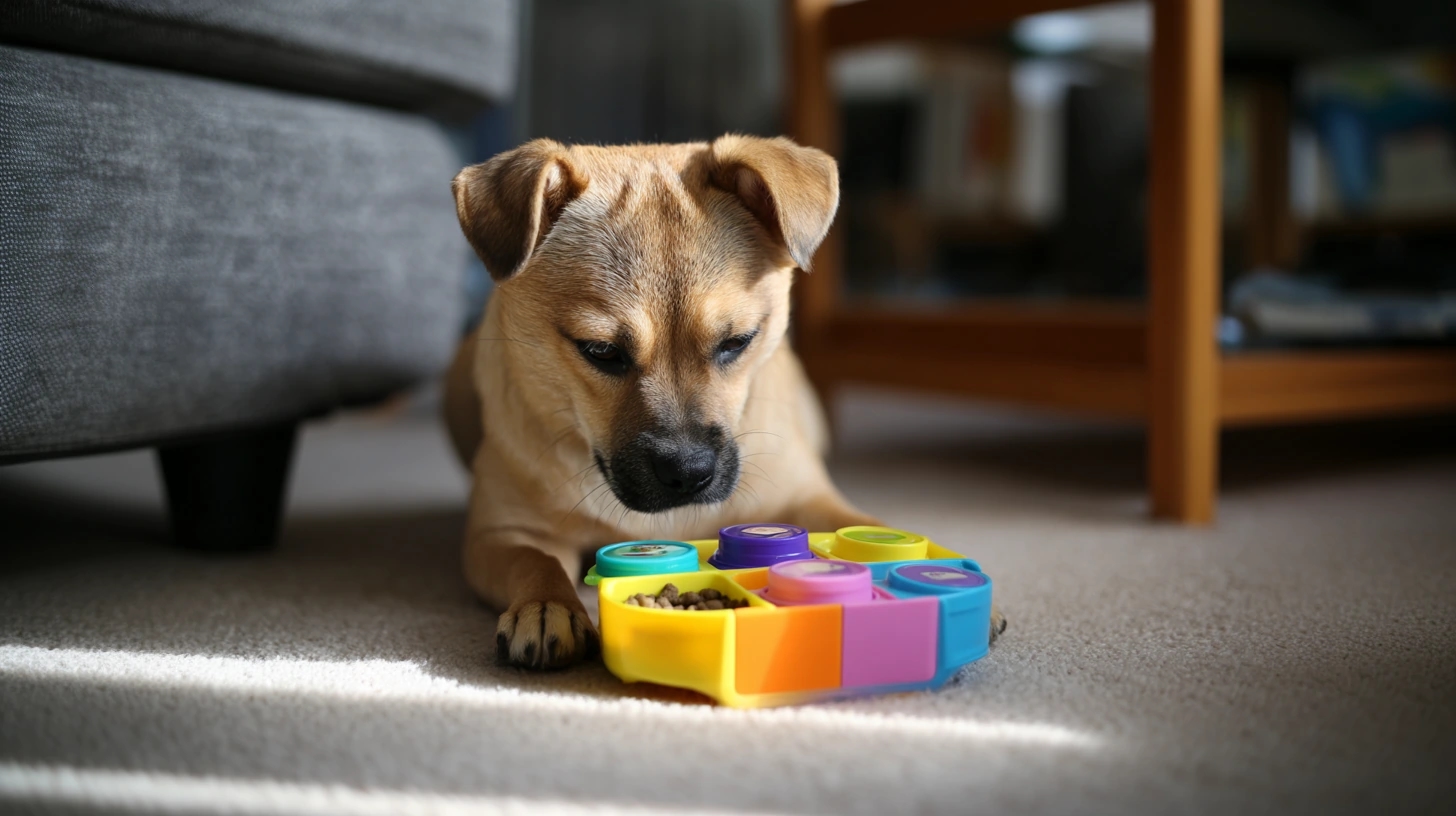
However, you must always be prepared for their independent hound nature to surface, especially when their nose detects something more compelling than your training session. This is where patience becomes your most valuable tool. Training is about working with their instincts, not trying to erase them. Engaging them in scent work games is a wonderful way to channel their natural talents constructively and prevent boredom.
Early and thorough socialization is crucial for a Redbone. Exposing your puppy to a wide variety of people, places, and other animals will help them grow into a confident and well-mannered adult. This is especially important for managing their high prey drive if you have other small pets in the home.
Health Considerations
The Redbone Coonhound is a generally healthy and robust breed with an impressive lifespan of 12 to 15 years. Responsible ownership involves proactive care focused on the breed's known predispositions. Your routine care should be built around four key areas: managing their diet to prevent obesity, performing weekly ear cleanings, monitoring their eyes for any changes, and providing appropriate exercise to support long-term joint health.
Common hereditary health concerns to be aware of include:
- Hip Dysplasia: An inherited condition where the hip joint doesn't form correctly, leading to arthritis. Keeping your dog at a lean weight is crucial for managing this risk.
- Ear Infections: A very high risk for the breed due to their long, heavy, low-set ears that trap moisture.
- Eye Conditions: Redbones are prone to several inherited eye problems, including Progressive Retinal Atrophy (PRA), which leads to blindness, and eyelid issues like Entropion (inward-rolling lid) and Ectropion (outward-drooping lid).
- Obesity: Their hearty appetite puts them at significant risk for becoming overweight, which can cause or worsen joint problems, metabolic disorders, and heart disease.
- Coonhound Paralysis: A neurological disease that causes rapid weakness or paralysis in the legs, sometimes following a raccoon bite. Most dogs recover with intensive care.
- Dental Disease: Like most breeds, they are prone to dental issues, with 80% of dogs showing signs by age two. Regular tooth brushing is recommended.
A reputable breeder will test their breeding stock for hip and eye issues and will be transparent about the health of their lines.
Cost of Ownership
The average annual cost to own a Redbone Coonhound is approximately $1,800, not including emergencies or the initial purchase price. A puppy from a reputable breeder typically costs between $800 and $1,500.
Your yearly budget will primarily consist of high-quality dog food ($600-$800), routine veterinary care and parasite prevention ($400-$700), and optional pet insurance ($360-$600). Because Redbones are prone to obesity, careful portioning is not just a health practice but also a way to manage your annual food budget effectively. Investing in preventative care and insurance can provide peace of mind and mitigate the high cost of treating unexpected injuries or illnesses.
Pros and Cons
Pros
- Stunning, sleek appearance with a beautiful solid red coat
- Affectionate, loyal, and even-tempered with family
- Generally eager to please and more trainable than many hounds
- Minimal grooming requirements for their coat
- Excellent, high-stamina partner for outdoor activities
Cons
- Requires a very high amount of daily, vigorous exercise
- Powerful prey drive requires secure containment (leash or fence) at all times
- Prone to loud and persistent baying
- High risk of obesity if diet is not carefully managed
- Can have a noticeable "houndy" odor
Fun Facts
- The Redbone Coonhound is the breed immortalized in Wilson Rawls's classic 1961 novel, Where the Red Fern Grows, where the dogs Old Dan and Little Ann captured the hearts of readers everywhere.
- The breed's name is a point of historical debate. It may have been named in honor of an early breeder, Peter Redbone of Tennessee, or it may simply be a description of their striking, solid-red coat.
- The earliest versions of the breed were often called "Saddlebacks" because they had a distinct black saddle-like marking over their red coat. This trait was selectively bred out by early breeders to achieve the solid mahogany color seen today.
Frequently Asked Questions
Do Redbone Coonhounds shed a lot?
No, they are considered low-to-moderate shedders. Their short, smooth coat requires only a simple weekly brushing with a hound mitt or bristle brush to keep shedding under control and their coat looking shiny.
Are Redbone Coonhounds good apartment dogs?
They are not well-suited for apartment living. Their high energy and substantial exercise needs require more space than an apartment typically offers, and their loud, carrying bay can be a serious issue for close neighbors.
How much exercise does a Redbone Coonhound need?
As true canine athletes, they need a great deal of exercise. Many experts recommend up to 90 minutes of vigorous activity per day. They are perfect companions for long hikes, runs, and swims, and will happily keep going as long as you will.
Can first-time owners handle a Redbone Coonhound?
A first-time owner can succeed with a Redbone, but they must be prepared for the commitment. While more eager to please than many hounds, their high energy and powerful instincts require significant management. They are best for active owners who are ready for the challenge.
References
Personality Profile
Find your perfect puppy pair!
Take our quick personality quiz to find the breeds that match your personality.
Start Quiz NowKey Traits
Temperament
affectionate
Reserved
Cuddly
energy Level
Calm Companion
High-Energy Dynamo
Social Behavior
good With Children
Best with Adults/Older Kids
Kid-Friendly
barking Level
Quiet-Natured
Talkative
Care & Maintenance
shedding Level
Light Shedder
Heavy Shedder
exercise Needs
Short Walks Enough
Needs Daily Workouts
Learning & Cognition
trainability
Independent Thinker
Eager Learner
mental Stimulation Needs
Content Relaxer
Needs Challenges
Breed Facts
Height
21-27 inches
Weight
50-75 pounds
Lifespan
12-15 years
Key Traits
You Might Also Like
Find Your Perfect Puppy Pair
Take our scientifically-backed personality quiz to discover which dog breeds align with your personality.
Start the Quiz