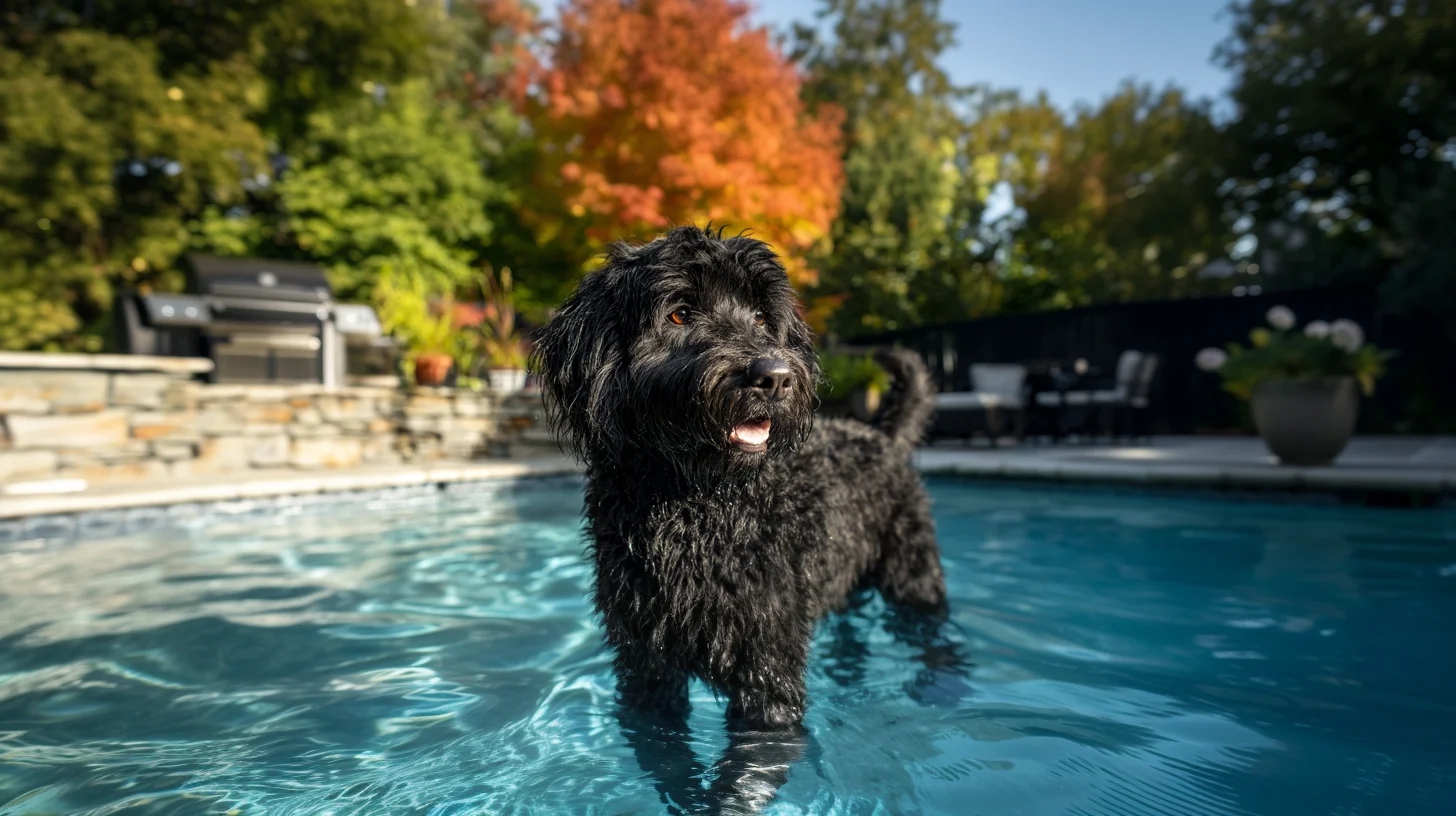
Portuguese Water Dog
Breed Facts
Height
20-23 inches (male), 17-21 inches (female)
Weight
42-60 pounds (male), 35-50 pounds (female)
Lifespan
11-13 years
Key Traits
Overview
Energetic, intelligent companions with curly coats and a love for water. These spirited, loyal dogs blend playful enthusiasm with strong working instincts—perfect for active families and individuals seeking an adventurous, affectionate friend who thrives on close bonds and staying busy.
Temperament & Personality
Portuguese Water Dogs are high-spirited, affectionate, and intelligent. You’ll find that they are happiest when engaged in activities with their family. Bred as working dogs, Porties are curious and energetic – always ready for an adventure, whether it’s a swim, a hike, or a vigorous play session. They tend to be very loyal and form strong bonds with their owners, often sticking close and eager to please. With proper socialization, they usually get along well with children and other pets, showcasing a gentle, playful side that makes them wonderful family dogs.
Despite their friendly nature, Porties have a moderate watchful streak. They are not prolific barkers by nature – in fact, this breed is typically quiet and not known for excessive barking. However, they will speak up to alert you of something unusual (like strangers at the door or pesky squirrels) when prompted. Thanks to their intelligence, a bored or under-exercised Portuguese Water Dog might invent their own fun in less desirable ways – such as chewing or nuisance barking – so keeping their active mind and body occupied is key. Overall, their temperament is upbeat and responsive, especially when they receive plenty of attention and positive reinforcement.
Care, Living Environment, & Grooming
Care
Caring for a Portuguese Water Dog means meeting their high exercise and mental stimulation needs. These dogs are athletic and tireless, so plan on providing at least 30-60 minutes of vigorous exercise daily. Many Porties do best with two sessions of activity per day – for example, a brisk morning walk or run and active play or training in the evening. They excel at dog sports like agility, dock diving, or even just games of fetch and swimming, which tap into their natural working abilities. Don’t forget mental exercise: puzzle toys, obedience training, and learning new tricks will keep their sharp mind occupied and prevent boredom.
In terms of diet, feed a high-quality dog food appropriate for your Portie’s life stage (puppy, adult, senior). Because this breed is so lively, many Portuguese Water Dogs may require a slightly higher caloric intake than a more sedentary breed of similar size. Split meals into two portions per day rather than free-feeding, both for routine and to prevent overeating. Keep an eye on their weight; an overweight Portie can be more prone to health issues like hip dysplasia, so adjust food portions as needed and consult your vet for guidance. Additionally, ensure fresh water is always available, especially after exercise or swimming sessions.
Basic wellness care is important for this active breed. Routine veterinary check-ups, vaccinations, and preventive care (for parasites like fleas, ticks, and heartworms) should be maintained. Given their intelligence and energy, many Portuguese Water Dog owners also invest in training classes or activities, which not only teach good manners but also serve as enrichment. Early obedience training and socialization are highly recommended to channel the breed’s enthusiasm and to teach them boundaries in a positive way.
Living Environment & Grooming
Portuguese Water Dogs adapt to various living environments as long as their exercise needs are met. They can live in apartments or smaller homes, but only if you are diligent about providing daily physical activity and mental stimulation to keep them content. Ideally, they enjoy a home with a securely fenced yard or access to safe outdoor spaces to romp and play. They love water and swimming, so a dog-friendly pool or nearby lake is a bonus. Keep in mind that Porties prefer to be near their people – they are not suited to living exclusively outdoors or being left alone for long hours, as they may become anxious or destructive without companionship and activity.
Grooming a Portuguese Water Dog is a significant part of their care routine. Their coat is single-layered, dense, and continuously growing, much like human hair. This means low shedding, but also that their curly or wavy fur will mat and tangle if not groomed regularly. Plan to brush your Portie several times a week (daily is ideal) to keep the coat free of knots and debris. Professional grooming is often necessary every 4 to 6 weeks to trim their coat and keep it manageable. Portuguese Water Dogs are typically groomed in either a “lion clip” (hair cut short on the hindquarters and muzzle, left longer on the front) or a “retriever clip” (evenly trimmed all over). Both styles are fine as long as the coat is maintained. The famous “lion cut” historically served a purpose: it kept their front half buoyant and warm in cold water while allowing easier movement of the hind legs – a nod to their working roots.
Aside from coat care, basic grooming tasks include trimming nails (usually monthly), cleaning the ears, and brushing the teeth. Their ears are not especially prone to infections, but it’s wise to dry them and clean gently after swimming to prevent any moisture-related issues. Bathing can be done as needed; Porties don’t have a strong doggy odor and too-frequent baths aren’t necessary unless they get into something messy. When you do bathe them (for instance, after a romp in a lake or ocean), use a dog-specific shampoo and rinse thoroughly to protect their skin and coat. Regular grooming not only keeps your Portuguese Water Dog looking their best but is also an opportunity to check for any skin issues or irritations as you brush through that thick, curly fur.
Training & Socialization
Portuguese Water Dogs are highly trainable and intelligent, often excelling in obedience when given proper guidance. As an owner, you’ll find them eager to learn – this breed was developed to work closely with humans, which translates into a biddable nature. Start training early, even with young puppies around 8 weeks old, because these dogs can pick up basic commands quickly and will benefit from the mental challenge. Use positive reinforcement techniques (treats, praise, play) to motivate your Portie, as they respond best to encouragement and rewards. Harsh methods are unnecessary and can dampen their enthusiasm. In fact, many Portuguese Water Dogs are food-motivated and will happily repeat good behaviors for a tasty treat and your approval. Their combination of high intelligence and love of fun makes training sessions enjoyable – they often turn learning into a game.
Socialization is equally important. Expose your Portuguese Water Dog to different people, places, and other animals from a young age. This helps ensure they grow into a well-mannered, confident adult dog. Proper socialization will curb any potential jumpiness or over-exuberance around strangers and children. While Porties are typically friendly, they can be boisterous in play; training them to greet people politely (all four paws on the ground) and interact gently with small children is wise, given their medium size and energy. Luckily, their gentle temperament shines through with consistent guidance, and they often become wonderfully reliable family companions.
Because Portuguese Water Dogs are natural workers, giving them “jobs” can prevent behavioral problems. They thrive in advanced training classes, canine sports, or having daily tasks. For example, teaching them to fetch specific items, run agility courses, or perform water retrieves will satisfy their need to work. Their background also makes them excellent candidates for therapy or service dog training, as they tend to be attentive and gentle when given proper direction. Overall, a well-trained and socialized Portuguese Water Dog is a joyful, well-behaved pet who can accompany you on many adventures, from boating and swimming to family road trips.
Health Considerations
Portuguese Water Dogs are generally a healthy breed, especially when sourced from responsible breeders who screen for genetic issues. They have a typical lifespan of around 11 to 14 years, with some living to their mid-teens. Nevertheless, like all breeds, Porties are predisposed to certain health conditions that prospective owners should be aware of. The good news is that the incidence of serious health problems in this breed is relatively low, but it’s important to stay informed and work with your veterinarian for preventative care.
One notable health concern is hip dysplasia, a hereditary malformation of the hip joint. Portuguese Water Dogs, being an active medium-sized breed, can be prone to hip dysplasia which may cause reduced mobility or arthritis over time. Reputable breeders have their dogs’ hips evaluated (via OFA or PennHIP) to minimize this risk. If a Portie does develop hip dysplasia, weight management, joint supplements, anti-inflammatory medications, or even surgery in severe cases can help maintain a good quality of life.
Another condition seen in Portuguese Water Dogs is Addison’s disease (hypoadrenocorticism). In fact, Porties are among a handful of breeds known to have a genetic predisposition to Addison’s. This disorder involves the adrenal glands not producing enough hormones to regulate metabolism and stress. Symptoms can be vague at first – lethargy, poor appetite, vomiting, or diarrhea – and are often triggered by stress. Addison’s disease is serious but treatable: with early diagnosis and lifelong medication, affected dogs can live normal lives. It’s a condition to be aware of, and vets can run specific tests if Addison’s is suspected.
Portuguese Water Dogs can also inherit eye disorders. Two known issues are progressive retinal atrophy (PRA) and cataracts. PRA is a degenerative disease that causes gradual blindness (night vision loss is often noticed first) with no cure. Responsible breeders perform genetic tests to avoid breeding dogs who will develop PRA. Cataracts, on the other hand, cause cloudiness in the eye and can also impair vision; unlike PRA, cataracts may be correctable with surgery in some cases. It’s a good idea to have your Portie’s eyes examined annually by a veterinarian, and report any signs of vision trouble (bumping into things, reluctance to go out in the dark, cloudy eyes) promptly.
Other health considerations include hypothyroidism, a thyroid gland disorder that can lead to weight gain and skin problems – treatable with daily medication – and a couple of rare genetic diseases that dedicated breeders have worked to eliminate. For instance, Juvenile Dilated Cardiomyopathy is a rare heart condition in young puppies, and GM1 Storage Disease (a neurological issue) was historically in the breed but now is largely controlled through DNA testing. When you acquire a Portuguese Water Dog, it’s wise to ask the breeder for health clearances (for hips, eyes, and any relevant genetic tests). Regular veterinary checkups, a balanced diet, and keeping your Portie at a healthy weight will go a long way to preventive health care. With good care, most Portuguese Water Dogs remain active and vibrant well into their senior years.
Cost of Ownership
Bringing a Portuguese Water Dog into your life is not only a time commitment but also a financial one. The initial cost to purchase a Portuguese Water Dog from a reputable breeder typically ranges from $1,500 to $3,000 for a puppy. This higher-than-average price is due to the breed’s relative rarity and the careful health testing reputable breeders perform (as well as the breed’s surge in popularity after becoming First Family pets). Adopting an adult dog from rescue, if available, would be less expensive – usually a few hundred dollars in adoption fees – and is a wonderful option if you’re open to an older dog.
Beyond the upfront cost, you should budget for ongoing expenses. Portuguese Water Dogs have roughly average-to-slightly-above-average maintenance costs for a dog of their size. Food will likely cost around $50 or more per month for a quality diet, and routine vet care (annual exams, vaccines, flea/heartworm prevention) might average another $50-$100 per month when spread out over the year. One significant recurring expense is grooming: because of their high-maintenance coat, professional grooming is recommended every month or two. Each grooming session can range from $50 to $100 depending on your area and the groomer’s services. That means grooming might be $600-$1,000 per year. Some owners learn to do basic trims themselves to save money, but you should still account for grooming tools and occasional professional help.
Training classes (especially in the first year) are another cost to consider. Group obedience classes or puppy kindergarten might cost a few hundred dollars, while more advanced training or dog sports could be additional. Fortunately, Portuguese Water Dogs are fast learners, so you may not need prolonged training courses – but investing in early training will pay off in having a well-behaved companion.
All told, the average annual cost of owning a Portuguese Water Dog (after the first year’s initial supplies and spay/neuter surgery, if applicable) can be around $1,500 to $2,000 when you factor in food, vet care, grooming, and miscellaneous supplies. Pet insurance is another optional expense; for this breed, insurance can provide peace of mind given the potential for things like hip dysplasia or Addison’s treatment costs. Insurance might run $500 or more per year depending on coverage. Of course, actual costs can vary – a healthy year with DIY grooming will be cheaper, whereas a year with an unexpected illness or injury will be more expensive. It’s wise to have an emergency fund for your pet. In return for these expenses, you get an incredibly devoted, fun-loving family member. Many Portie owners would agree that the joy and companionship of this breed make the costs well worth it.
Pros and Cons
Pros
- Low shedding coat (more hypoallergenic than many breeds)
- Friendly and gets along well with children and other pets
- Highly intelligent and trainable, eager to please
- Energetic and loves activities – great for active families
Cons
- Requires extensive grooming to prevent mats (professional grooming needed regularly)
- Needs a lot of exercise – not suited for low-energy owners or long periods of inactivity
- Can be destructive or noisy if bored or not properly trained (chewing, barking)
- May be prone to separation anxiety if left alone too long, preferring near-constant companionship
(Each dog is individual, but these are common characteristics of the breed.)
Fun Facts
- Ancient Breed Resurgence: The Portuguese Water Dog has been around for centuries (a 1297 manuscript even describes a water dog saving a sailor), but by the 20th century they nearly vanished. In the 1930s, a wealthy Portuguese shipping magnate, Vasco Bensaúde, saved the breed – his dog “Leão” is known as the modern breed’s founding sire. Thanks to such efforts, the breed was brought to America and gained popularity by the 1970s.
- They Have Webbed Feet: Porties are built for the water in more ways than one. Not only do they have strong, rudder-like tails to help steer as they swim, but they also have partially webbed feet to act like flippers. This makes them extremely efficient swimmers. Their coat is also waterproof, insulating the dog in cold water and drying quickly on land.
- “Lion” Cut Tradition: The traditional lion clip – with the hindquarters shaved and a tuft left on the tail – wasn’t just for style. Fishermen shaved the rear for easier movement in water and less drag, while leaving fur on the front half to keep the dog’s vital organs warm in chilly waters. Today, many pet Portuguese Water Dogs sport a more even “retriever clip,” but you’ll still see the lion look at dog shows.
- First Dogs of the U.S.: A Portuguese Water Dog named Bo made headlines as the pet of President Barack Obama’s family, followed later by a second Portie, Sunny. The Obamas chose this breed in part due to its low-shedding, hypoallergenic coat to accommodate their daughter’s allergies. Bo and Sunny charmed the public during their time romping on the White House lawn, greatly increasing interest in the breed.
Frequently Asked Questions
Are Portuguese Water Dogs hypoallergenic?
Portuguese Water Dogs are often considered hypoallergenic because they shed very little, which means they spread fewer allergens like dander around the home. While no dog is 100% allergen-free, many people with mild dog allergies tolerate Porties well. It’s always a good idea to spend time around the breed to ensure you don’t react before bringing one home.
Do Portuguese Water Dogs bark a lot?
By breed nature, Portuguese Water Dogs are not excessive barkers. They tend to be quiet and not yappy. However, they will bark to alert you of something unusual – for example, a stranger approaching or in excitement during play. If a Portie is barking a lot, it’s often a sign of boredom or insufficient exercise. Proper training and plenty of activity will help keep any nuisance barking to a minimum.
Can a Portuguese Water Dog be left home alone?
Not for long periods. Porties form strong bonds with their families and can develop separation anxiety if regularly left alone for many hours. A Portuguese Water Dog may become distressed and possibly chew or have accidents if isolated too long. They do best in households where someone is around much of the day or where they can accompany you on outings. If you work full-time, consider dog walkers, doggy daycare, or other ways to break up their alone time.
Are Portuguese Water Dogs good family pets for first-time owners?
Yes, for active families – Portuguese Water Dogs can be excellent family pets. They are loving with children and usually friendly with other pets, especially when socialized young. They are smart and eager to please, which helps new owners train them. Keep in mind that their high energy and grooming needs do require commitment. First-time dog owners should be prepared to invest time in exercise, training, and coat care. With that dedication, a Portie will reward you with affection, fun, and loyalty in abundance.
References
Personality Profile
Find your perfect puppy pair!
Take our quick personality quiz to find the breeds that match your personality.
Start Quiz NowKey Traits
Temperament
affectionate
Reserved
Cuddly
energy Level
Calm Companion
High-Energy Dynamo
Social Behavior
good With Children
Best with Adults/Older Kids
Kid-Friendly
barking Level
Quiet-Natured
Talkative
Care & Maintenance
shedding Level
Light Shedder
Heavy Shedder
exercise Needs
Short Walks Enough
Needs Daily Workouts
Learning & Cognition
trainability
Independent Thinker
Eager Learner
mental Stimulation Needs
Content Relaxer
Needs Challenges
Breed Facts
Height
20-23 inches (male), 17-21 inches (female)
Weight
42-60 pounds (male), 35-50 pounds (female)
Lifespan
11-13 years
Key Traits
You Might Also Like


Find Your Perfect Puppy Pair
Take our scientifically-backed personality quiz to discover which dog breeds align with your personality.
Start the Quiz