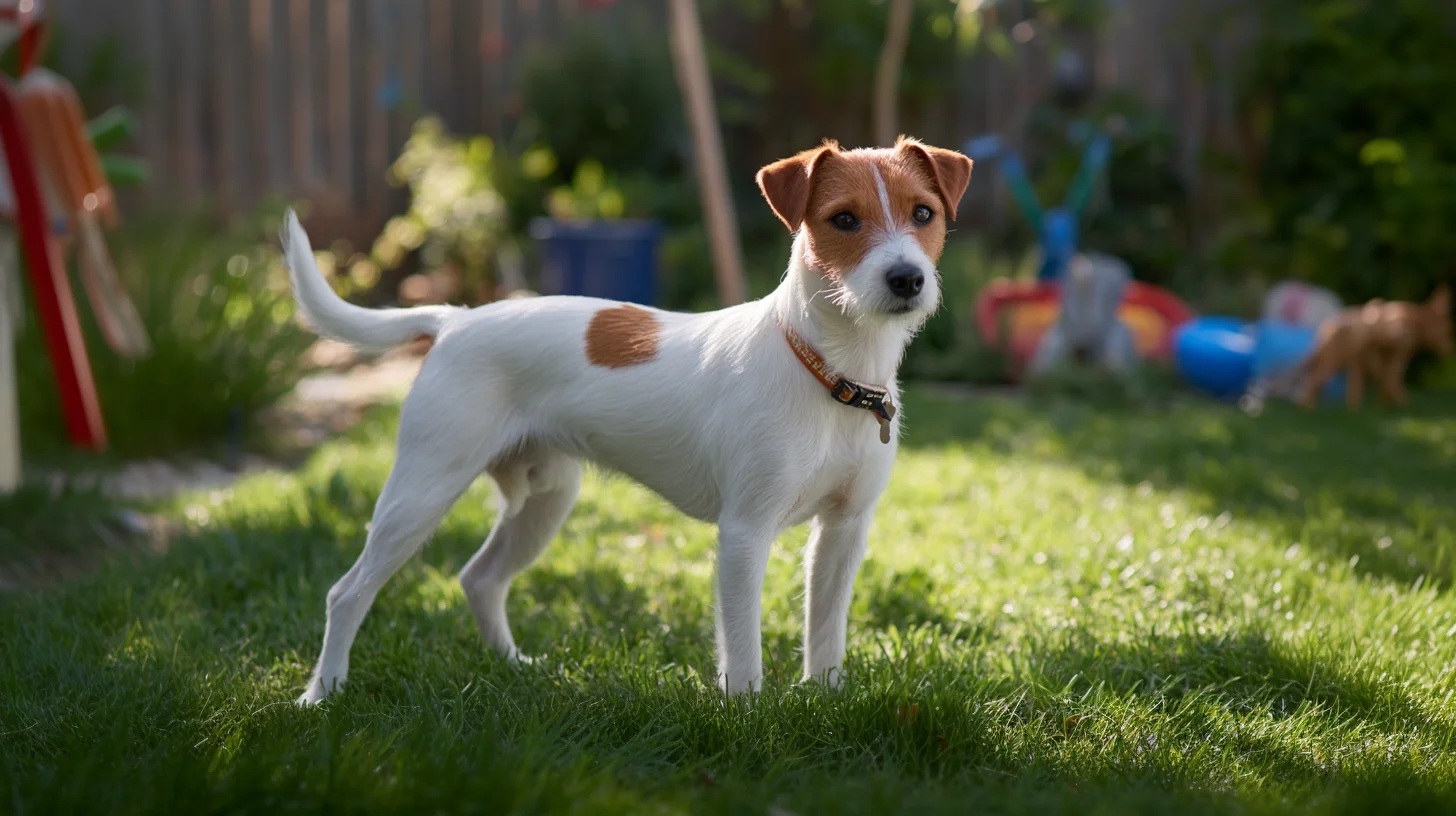
Parson Russell Terrier
Breed Facts
Height
12-14 inches
Weight
13-17 pounds
Lifespan
13-15 years
Key Traits
Overview
Energetic, bold companions with athletic builds and an unstoppable, lively spirit. These intelligent, fearless dogs blend playful mischief with deep devotion—perfect for active individuals and families seeking a clever, adventurous friend who loves to explore, stay busy, and form strong bonds at home.
Temperament & Personality
You'll find your Parson Russell Terrier to be a lively, energetic companion. They're typically friendly, affectionate, and full of life. This little terrier is bold and tenacious (originally bred for fox hunting). They are clever and playful with family, often enjoying games and running side-by-side with their owner. However, PRTs have a strong prey drive and are fearless by nature.
Early socialization is important: Parson Russells generally do well with children if raised together, but they can be nippy or overexcited if proper manners aren't taught. With ample mental stimulation and exercise, most grow into affectionate, spirited companions. If they become bored, they may bark or get into mischief. Overall, your Parson Russell will be a bold, spunky breed that keeps you on your toes with its loyalty and fun personality.
Care, Living Environment, & Grooming
Parson Russell Terriers are high-energy little dogs. Plan on at least 60–90 minutes of vigorous exercise each day (brisk walks, runs, play sessions). They're happiest with access to a yard where they can sniff and explore – secure fencing is a must, since these terriers are agile jumpers and enthusiastic diggers. However, they can adapt to city or apartment living if their exercise needs are met. Keep workouts to cooler times in hot weather and always provide fresh water. Indoors, your PRT will be a busybody: puzzles or toys can help prevent boredom.
Their coat is easy-care: Parson Russells have a short, smooth or rough coat that sheds moderately. Weekly brushing will control loose hairs. Wipe the coat with a damp cloth if dirty. They have minimal drooling. Feed a high-quality small-breed diet in measured portions (split into two meals) to maintain healthy weight.
- Weekly: Brush the coat to remove loose hairs; clean and dry facial wrinkles; check ears and trim nails as needed.
- Monthly: Bathe only if dirty; trim nails (if not done weekly); brush teeth routinely.
- Daily: Provide attention and play; wipe feet and coat if soiled.
Training & Socialization
Training a Parson Russell Terrier takes patience and consistency. They are intelligent and eager to please, but also independent and strong-willed. Begin obedience and leash training early using positive reinforcement: treats, toys, and praise will motivate your PRT. Keep training sessions short and fun so your terrier doesn't get bored. Socialize your puppy to many people, places, and gentle pets from the start; this prevents fear or overexcitement later.
Remember, PRTs were bred to think on their own – one breed expert notes they "may be difficult to train" without consistency. Avoid harsh corrections. Instead, reward good behavior. Puppy classes and activities like agility or flyball can channel their energy and reinforce learning. With firm, upbeat training and early socialization, your Parson Russell Terrier can learn to be a well-behaved, confident companion.
Health Considerations
Parson Russell Terriers are generally healthy and long-lived for a terrier. Lifespan is typically 13–15 years. Still, there are some hereditary issues to watch for:
- Lifespan: ~13–15 years
- Luxating patella (kneecap dislocation) – can cause limping; some PRTs inherit this joint issue
- Legg–Calvé–Perthes disease – a hip joint problem in small breeds
- Primary lens luxation and cataracts – inherited eye conditions affecting vision
- Late-onset ataxias (spinocerebellar) – neurological disorders causing coordination problems
- Hereditary deafness and other eye problems – PRTs can inherit hearing loss or vision issues
- Dental disease (tartar build-up) – common in small dogs; brush teeth regularly
Responsible breeders will screen for joint and eye issues. No screening is strictly required by kennel clubs, but regular vet check-ups, eye exams, and patella evaluations are recommended if PRTs are bred or suspected of carrying problems. Early detection and management can help keep your terrier healthy.
Cost of Ownership
Owning a Parson Russell Terrier costs roughly $1,800 per year. Major expenses include:
- Food & treats: ~$400–$500/year (quality kibble and nutritious snacks)
- Veterinary care: ~$500/year (annual exams, vaccinations, preventatives)
- Insurance: ~$400–$500/year (health coverage, optional)
- Grooming: ~$100/year (mostly DIY brushing and basic coat care)
- Supplies & extras: ~$300/year (toys, bedding, license, etc.)
First-year costs are higher: puppy vaccines and check-ups ($590 on average), spay/neuter ($300+), plus basic supplies and training can add several hundred more.
Pros and Cons
Pros
- Energetic and athletic
- Intelligent and trainable (with consistent methods)
- Loyal and affectionate with family
- Adaptable to many living situations
- Low-maintenance coat
Cons
- Very high energy (needs a lot of exercise)
- Stubborn independence
- Prone to barking, digging, and chasing small animals
- Requires experienced handling
- Can be escape artists if bored
Fun Facts
- Named after its founder. The breed descends from terriers bred in the 1800s by the Reverend John "Jack" Russell (born 1795). He developed these fox-hunting dogs on his English estates, earning them the "Parson's terrier" nickname.
- Famous film star. Uggie (2002–2015) was a Parson Russell Terrier who gained international fame as the canine co-star of the Oscar-winning film The Artist (2011).
Frequently Asked Questions
Do Parson Russell Terriers shed a lot?
No – their short coat sheds only moderately. Regular brushing (about once a week) removes loose hair and keeps their coat healthy.
Are Parson Russells good apartment dogs?
They can adapt to apartment living if given enough exercise and mental stimulation. Because PRTs have high energy and can be vocal, you'll need to provide daily vigorous activity and training to prevent boredom. A walk or play session morning and evening is essential.
How much exercise does a Parson Russell Terrier need?
A lot. Plan on at least 60–90 minutes of vigorous exercise each day (long walks, runs, games of fetch). They also need "jobs" or activities (agility, scent games) to keep their minds engaged.
Can first-time owners handle a Parson Russell Terrier?
Usually not recommended. This breed is best for someone with some dog experience. PRTs are energetic and independent, so they benefit from an owner who can provide consistent training and leadership.
References
Personality Profile
Find your perfect puppy pair!
Take our quick personality quiz to find the breeds that match your personality.
Start Quiz NowKey Traits
Temperament
affectionate
Reserved
Cuddly
energy Level
Calm Companion
High-Energy Dynamo
Social Behavior
good With Children
Best with Adults/Older Kids
Kid-Friendly
barking Level
Quiet-Natured
Talkative
Care & Maintenance
shedding Level
Light Shedder
Heavy Shedder
exercise Needs
Short Walks Enough
Needs Daily Workouts
Learning & Cognition
trainability
Independent Thinker
Eager Learner
mental Stimulation Needs
Content Relaxer
Needs Challenges
Breed Facts
Height
12-14 inches
Weight
13-17 pounds
Lifespan
13-15 years
Key Traits
You Might Also Like

Find Your Perfect Puppy Pair
Take our scientifically-backed personality quiz to discover which dog breeds align with your personality.
Start the Quiz