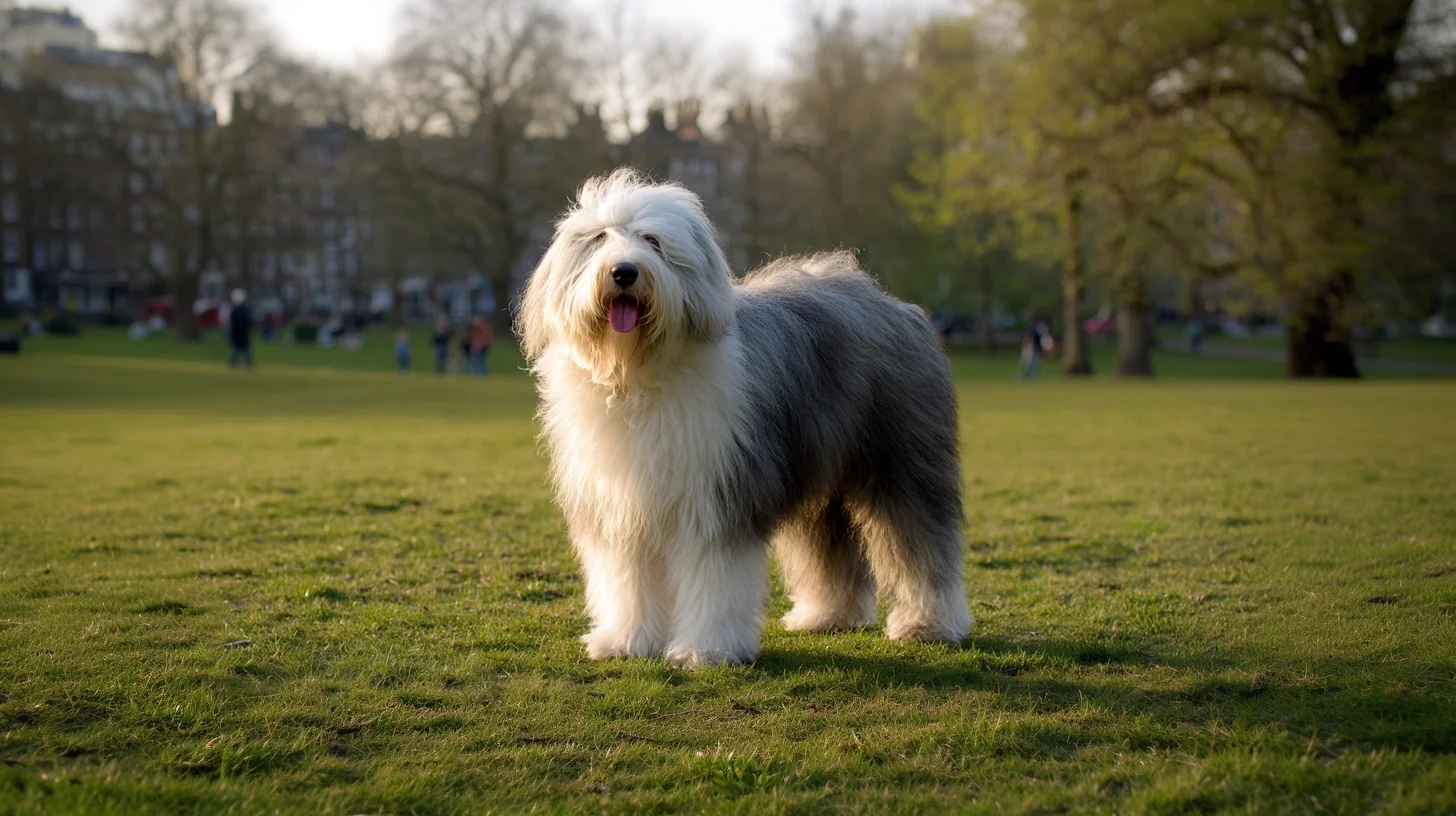
Old English Sheepdog
Breed Facts
Height
21 inches & up (male), 20 inches & up (female)
Weight
60-100 pounds
Lifespan
10-12 years
Key Traits
Overview
Gentle, playful companions with shaggy coats and an endearing, clownish spirit. These affectionate, intelligent dogs blend easygoing charm with strong herding instincts—perfect for families and individuals seeking a loving, devoted friend who brings joy, humor, and fluffy cuddles to everyday life.
Temperament & Personality
You’ll find your Old English Sheepdog (OES) to be an intelligent, affectionate, fun-loving family dog. Generally gentle and playful, an OES is usually friendly with people of all ages—though their large size means you’ll want to supervise them around small children. Bred for herding, this breed has a moderate energy level; they enjoy daily walks and playtime but will also happily lounge around the house. Old English Sheepdogs tend to bond closely with family and often display a goofy, clownish streak. When properly socialized from puppyhood, they usually get along well with other pets and strangers, although their herding instincts can make them a bit shy or reserved at first.
Care, Living Environment & Grooming
OES are large, strong dogs that thrive in homes with space. They do best in a house with a yard rather than a tiny apartment. Daily exercise (at least an hour of walking or active play) is important to keep them fit and happy. Because of their thick double coat, Old English Sheepdogs handle cold weather well but can overheat in hot, humid conditions – be sure to provide shade and plenty of water in warm weather. They also require a high-quality diet in appropriate portions; feeding twice a day and avoiding vigorous exercise right after meals can help reduce bloat risk.
Grooming an OES is a major commitment. Plan for daily brushing of the long, dense coat to prevent mats and tangles. This daily brushing also helps manage their heavy shedding. Weekly care should include checking and cleaning ears (their floppy ears can trap moisture) and trimming nails. Regularly wipe the eyes and trim any hair blocking vision. Every few months, many owners take their Sheepdog to a professional groomer for trimming or clipping of the coat (especially around feet, ears, and sanitary areas). Occasional baths and teeth brushing are also part of routine care. Proper grooming keeps your Sheepdog healthy and comfortable by preventing skin issues. Typical coat-care tasks include:
- Daily: Brush thoroughly and check ears/eyes.
- Weekly: Trim nails, clean ears, bathe if dirty.
- Monthly: Grooming trim or clipping, clean teeth.
- Ongoing: Keep eye hair trimmed, monitor skin and coat for mats.
Training & Socialization
Old English Sheepdogs are smart and generally eager to please. They respond best to consistent, reward-based training with treats or praise. Begin socializing them early (8–16 weeks) by exposing them to new people, pets, and situations; this breed was bred to work closely with people, so positive experiences early on will reinforce their friendly nature. Because of their size, obedience and leash training are especially important for safety. These dogs may have a mildly independent streak (common in herding breeds), so set clear rules and be a firm but patient leader. Clicker training and short, fun sessions work well. Without enough exercise and mental enrichment, an OES can become bored and resort to excessive barking or chewing, so training time is a great way to engage their body and mind.
Health Considerations
Old English Sheepdogs typically live around 10–12 years. They are generally healthy but prone to certain inherited conditions. Common issues include:
- Hip dysplasia (malformed hip joints causing arthritis)
- Progressive retinal atrophy (PRA) or cataracts (degenerative eye diseases)
- Hypothyroidism (low thyroid function affecting coat and energy)
- Gastric torsion (bloat) (life-threatening stomach twist)
Responsible breeders screen for these conditions (e.g. OFA hip clearance, eye exams, thyroid tests). Routine vet check-ups, dental care, and a nutritious diet can help prevent or manage problems. Speak with the breeder about health clearances, and work with your vet on vaccinations and preventative care for a long, healthy life.
Cost of Ownership
Caring for an Old English Sheepdog can cost roughly $1,800 per year. Major expenses include:
- Food: A large-breed dog food (~$400/yr).
- Veterinary care: ~$300/yr (annual exams, vaccines; first year higher due to puppy shots and spay/neuter).
- Insurance: ~$300/yr for a good pet health policy.
- Grooming: ~$500/yr (professional trims every 1–2 months or grooming supplies).
- Other: ~$300/yr (toys, supplies, heartworm/flea preventatives).
The first year can be especially costly: in addition to puppy supplies, expect extra vet visits for vaccinations, microchipping, and spaying/neutering. Budgeting for emergency care or training classes is also wise.
Pros and Cons
Pros
- Loyal, gentle, and affectionate family companion.
- Intelligent and trainable; often good with children and other pets.
- Playful outdoors yet usually calm indoors.
- Sociable and loving; bonds closely with family.
Cons
- Very high grooming needs (daily brushing to avoid mats).
- Sheds heavily despite low “shedding breed” ratings.
- Large size requires ample space.
- Can develop bad habits (barking, chewing) if bored.
Fun Facts
- In its early days, shepherds sheared Old English Sheepdogs yearly and used their fluffy fur as yarn for textiles.
- Around 1900 the breed became a status symbol among wealthy Americans – families like the Vanderbilts and Guggenheims kept OES as showy pets.
- Paul McCartney’s 1968 song “Martha My Dear” was inspired by his Old English Sheepdog Martha.
- Old English Sheepdogs are famous for their bear-like, shuffling gait, which is slow and playful.
Frequently Asked Questions
Do Old English Sheepdogs shed a lot?
Yes. Despite their shaggy coat, OES shed year-round. Their thick undercoat produces lots of loose hair, so daily brushing is needed to keep mats and hair accumulation under control. Regular grooming (including professional trimming) helps manage the shedding.
Are Old English Sheepdogs good apartment dogs?
Not really. An OES is a large, active dog that needs space to move. They can adapt to indoor life, but ideally you’ll have a yard or nearby open area for exercise. With commitment to daily walks and grooming, they can live indoors, but a small apartment alone isn’t ideal for this breed.
How much exercise does an Old English Sheepdog need?
A fair amount. Plan on at least 1 hour per day of walks and active play. They enjoy activities like hiking or playing fetch. Without enough exercise and mental stimulation, they may become bored and vocalize (barking) or chew on things.
Can first-time owners handle an Old English Sheepdog?
Possibly, if you’re prepared. OES are generally friendly and eager to please, which helps beginners. However, their grooming and training needs are high. First-time owners should be ready for daily brushing, regular baths, and firm, consistent training. If you can handle the time commitment for grooming and socializing, a dedicated novice can successfully own an OES.
References
Personality Profile
Find your perfect puppy pair!
Take our quick personality quiz to find the breeds that match your personality.
Start Quiz NowKey Traits
Temperament
affectionate
Reserved
Cuddly
energy Level
Calm Companion
High-Energy Dynamo
Social Behavior
good With Children
Best with Adults/Older Kids
Kid-Friendly
barking Level
Quiet-Natured
Talkative
Care & Maintenance
shedding Level
Light Shedder
Heavy Shedder
exercise Needs
Short Walks Enough
Needs Daily Workouts
Learning & Cognition
trainability
Independent Thinker
Eager Learner
mental Stimulation Needs
Content Relaxer
Needs Challenges
Breed Facts
Height
21 inches & up (male), 20 inches & up (female)
Weight
60-100 pounds
Lifespan
10-12 years
Key Traits
You Might Also Like
Find Your Perfect Puppy Pair
Take our scientifically-backed personality quiz to discover which dog breeds align with your personality.
Start the Quiz