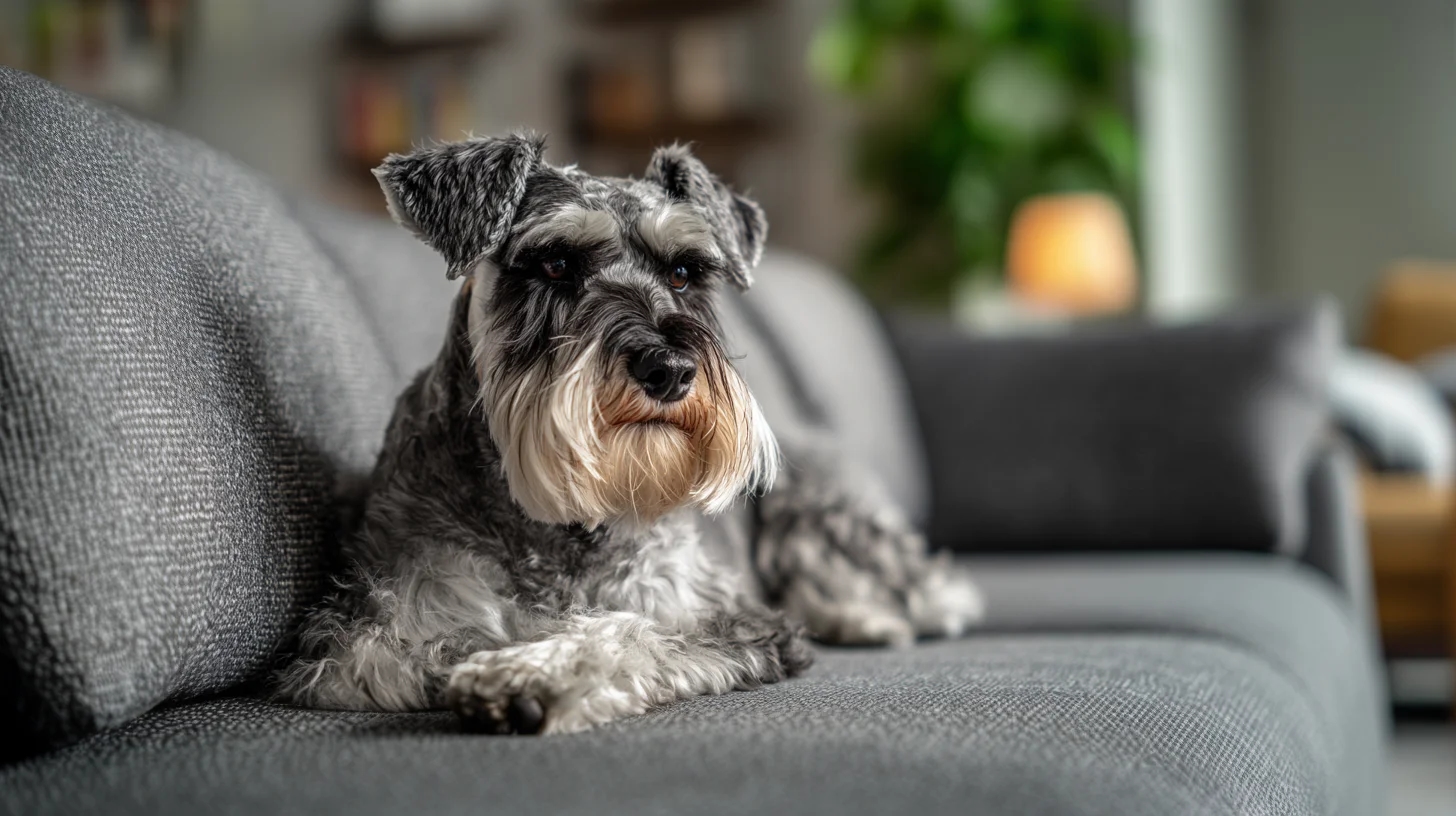
Miniature Schnauzer
Breed Facts
Height
12-14 inches
Weight
11-20 pounds
Lifespan
12-15 years
Key Traits
Overview
Alert, spirited companions with distinguished beards and big personalities. These lively, intelligent dogs blend playful energy with a loyal, affectionate nature—perfect for families and individuals seeking a cheerful, watchful friend in a compact, charismatic package.
Temperament & Personality
You'll find the Miniature Schnauzer to be bright, spunky, and devoted to its family. They are energetic and eager to please, so most quickly learn tricks and enjoy playtime. Mini Schnauzers have a charming, somewhat comical personality – they often have a "sense of humor" and can be mischievous in a fun way. Despite their small size, they are bold and alert, making excellent watch dogs; they will happily bark to let you know when strangers or even neighborhood squirrels pass by. Because they come from a working-dog background, they love having a job (like learning agility or obedience) to keep their minds busy. These dogs thrive on attention and affection – a Mini Schnauzer usually craves company and will follow you around the house. With proper early socialization, most get along very well with children and other pets.
Care, Living Environment & Grooming
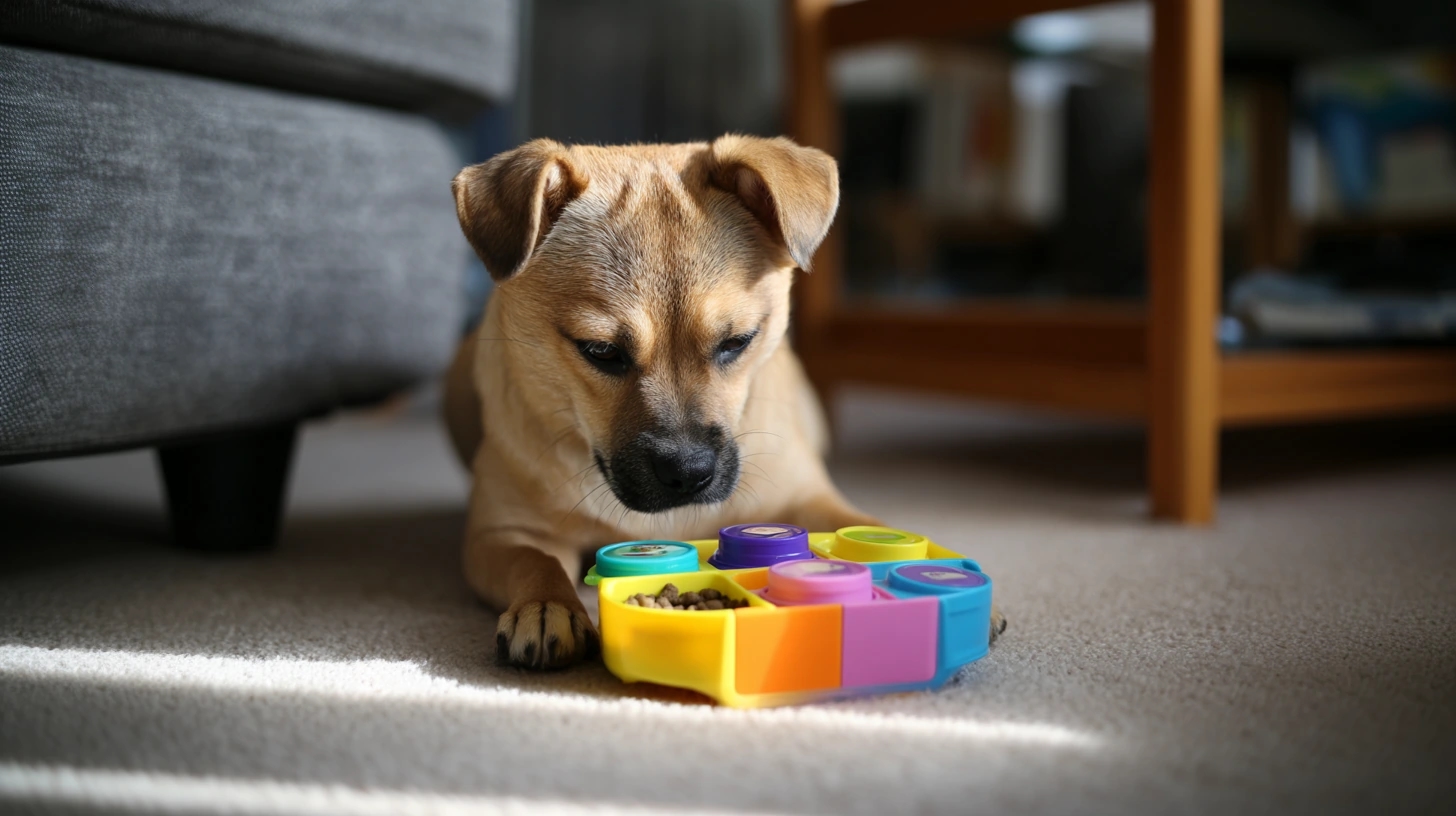
Miniature Schnauzers adapt well to apartment or house living, as long as they get enough exercise. You should plan daily walks and play sessions (30–60 minutes) to burn off their energy. They are very people-oriented; expect them to want to join you wherever you go. If left alone for long periods, a Schnauzer can become anxious or bored, so crate training and interactive toys can help. Due to their ratter ancestry, they may try to chase small animals; a securely fenced yard or leash is important when outside. Fortunately, their wiry double coat sheds very little, which is good for allergy sufferers. However, "low shedding" doesn't mean "no maintenance." Their coat is naturally wiry and medium-length, so it needs regular grooming to stay healthy and neat. You'll need to brush your Schnauzer at least once a week and bring it to a professional groomer about every 6–8 weeks for trimming. Pay special attention to the hair on its eyebrows, beard, and legs: keep those trimmed and clean (the beard often gets discolored from food or water). Also remember routine care: trim nails as needed, brush its teeth, and clean its ears when wet to prevent infections. Overall, if you have a plan for exercise and grooming, a Mini Schnauzer can live happily in many environments (even a small apartment).
Training & Socialization
Training a Mini Schnauzer is usually a fun experience, because they like to learn and please you. Use positive reinforcement (treats, praise, play) and keep sessions short and interesting. Puppies especially should be started early: enroll in puppy classes as soon as possible to build confidence and manners. Early socialization is key – exposing your Schnauzer to many people, pets, and sights from a young age will help them become a well-adjusted adult. Be consistent and firm, but gentle; Miniature Schnauzers can have a stubborn streak (like many terriers), so a confident owner who sets clear rules will have success. Without training and socialization, even a Schnauzer's good-natured energy might become misdirected (for example, excessive barking or chasing). With time and positive training, however, they usually become obedient and charming companions.
Health Considerations
Miniature Schnauzers are generally healthy dogs with a long life span (around 12–15 years). Still, they are predisposed to a few breed-specific issues you should monitor. For example, many Schnauzers develop eye cataracts (cloudy lenses) and have a genetic tendency to high blood lipids (hyperlipidemia), which can lead to pancreatitis (inflammation of the pancreas). Pancreatitis can be serious, so it's important to feed them a balanced diet and avoid high-fat treats. Obesity worsens most health problems – in fact, the Mini Schnauzer breed club warns that Schnauzers "love to eat" and owners should measure meals carefully. Rarely, some inherit more severe issues like portosystemic liver shunts or a genetic immune disease called MAC. To keep your Schnauzer healthy, schedule regular vet check-ups and ask breeders about their dogs' health histories. Generally, a well-fed, active Schnauzer on routine vaccinations and parasite prevention will be robust and full of life.
Cost of Ownership
As a small to medium dog, a Miniature Schnauzer's yearly cost is relatively moderate. In the U.S., average dog-owning expenses run about $1,533 per year. A Mini Schnauzer might be slightly above that baseline because of grooming. You should budget for good-quality dog food (around $30–$70 per month for a small active breed) and routine vet care (vaccinations, checkups, about $200+ per year). Professional grooming will add significantly: plan on salon trims (~$50–$75) every 6–8 weeks, plus at-home brushing. Other costs include leashes, toys, and training classes (especially important for a smart dog). Some owners choose pet insurance or save for unexpected vet costs as well. In total, many Mini Schnauzer owners find that about $1,500–$2,000 per year covers essentials (food, vet, grooming, supplies) once the first-year setup is behind you.
Pros and Cons
Pros
- Gentle and Affectionate: You get a bright, loyal companion who adores its family (Mini Schnauzers tend to be very good with children).
- Low Shedding: Their small size makes them adaptable to apartments, and their wiry coat sheds very little (often helping allergy sufferers).
Cons
- High Grooming Needs: Their coat needs regular care – plan on grooming appointments every 6–8 weeks and frequent brushing at home.
- Vocal Nature: Mini Schnauzers can be quite vocal (barking to alert), and they have a playful, energetic nature that may be more dog than a very quiet household wants.
- Genetic Health Risks: Like any breed, they have some genetic health risks (such as pancreatitis, high cholesterol, cataracts) that can lead to extra vet bills.
Fun Facts
- Rat Catchers: Miniature Schnauzers were created by German farmers in the late 1800s (from Standard Schnauzers, Poodles, and Affenpinschers) specifically to be small, fearless ratting dogs on farms.
- Top-twenty Breed: These pups are quite popular – they rank among the top 20 dog breeds in America.
- Distinctive Look: The word schnauzer comes from the German for snout. Mini Schnauzers' famous bushy eyebrows and mustache give them a wise "old man" expression.
Frequently Asked Questions
Are Miniature Schnauzers good with children?
Absolutely. Mini Schnauzers are playful and social; with early socialization they usually get along very well with kids. They'll enthusiastically join family activities and can be gentle companions for older children. (As with any dog, supervise very young kids around pets.)
Do Miniature Schnauzers shed a lot or trigger allergies?
No – their wiry double coat sheds very little, which is why they're often called hypoallergenic. That said, no dog is 100% allergy-free, so people with severe allergies should spend time with a Schnauzer first. Regular grooming also helps minimize loose hair.
How often do they need grooming?
Quite often. A Mini Schnauzer's coat requires maintenance: plan on professional trimming about every 6–8 weeks and brushing at home weekly. If you let the coat grow too long, it will mat. Pay special attention to the beard and leg hair, cleaning and trimming as needed to keep them tidy.
What is the typical lifespan of a Miniature Schnauzer?
Mini Schnauzers are generally healthy and live around 12–15 years with good care. Factors like diet, exercise, and regular vet check-ups can help ensure a long, active life for your Schnauzer.
References
Personality Profile
Find your perfect puppy pair!
Take our quick personality quiz to find the breeds that match your personality.
Start Quiz NowKey Traits
Temperament
affectionate
Reserved
Cuddly
energy Level
Calm Companion
High-Energy Dynamo
Social Behavior
good With Children
Best with Adults/Older Kids
Kid-Friendly
barking Level
Quiet-Natured
Talkative
Care & Maintenance
shedding Level
Light Shedder
Heavy Shedder
exercise Needs
Short Walks Enough
Needs Daily Workouts
Learning & Cognition
trainability
Independent Thinker
Eager Learner
mental Stimulation Needs
Content Relaxer
Needs Challenges
Breed Facts
Height
12-14 inches
Weight
11-20 pounds
Lifespan
12-15 years
Key Traits
You Might Also Like
Find Your Perfect Puppy Pair
Take our scientifically-backed personality quiz to discover which dog breeds align with your personality.
Start the Quiz