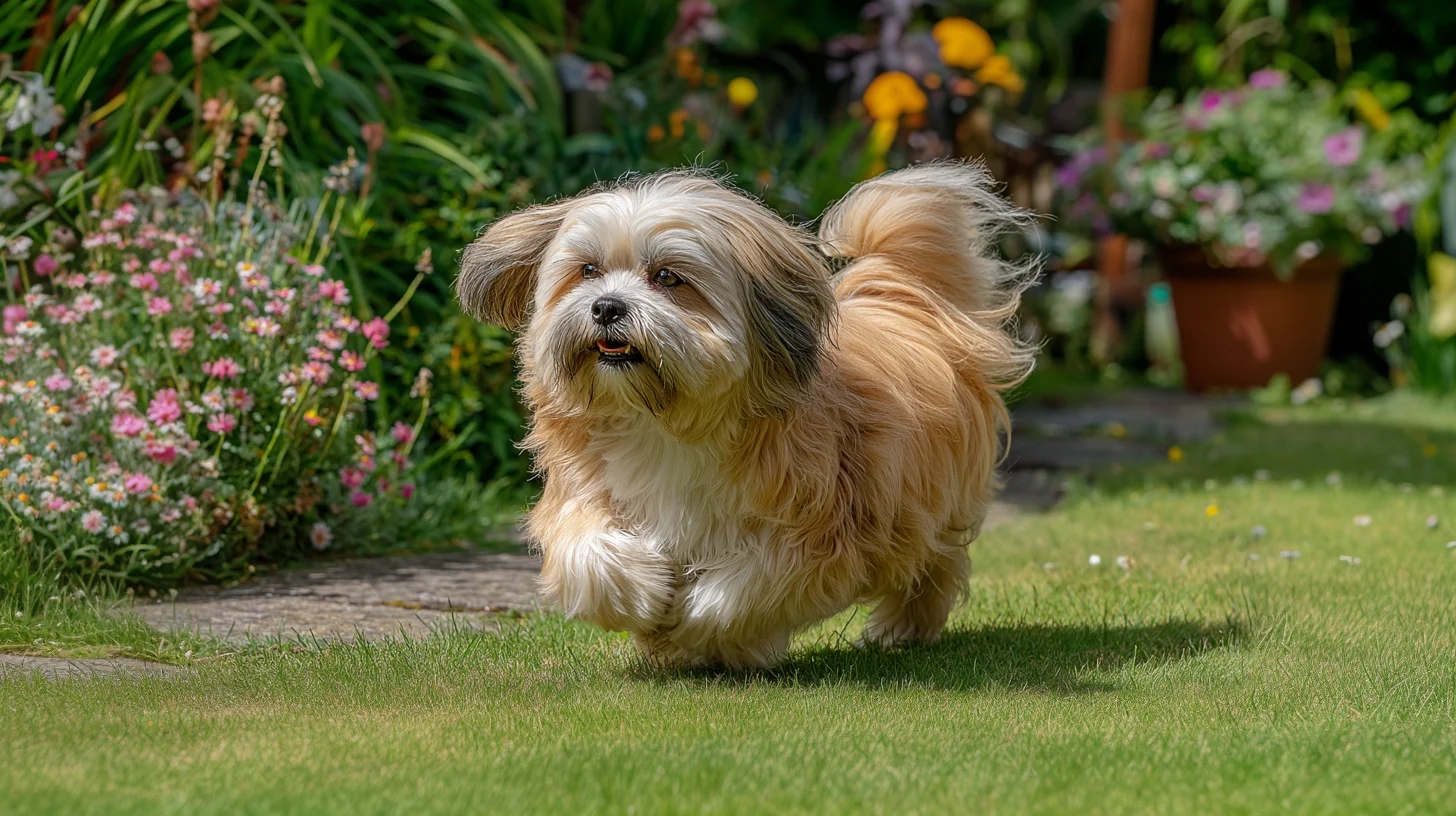
Lhasa Apso
Breed Facts
Height
10-11 inches (male), slightly smaller (female)
Weight
12-18 pounds
Lifespan
12-15 years
Key Traits
Overview
Confident, charming companions with flowing coats and a regal, watchful spirit. These intelligent, independent dogs blend playful affection with natural guarding instincts—perfect for individuals and families seeking a loyal, spirited friend who brings both lively personality and devoted companionship to the home.
Temperament & Personality
The Lhasa Apso is a compact, spirited dog originally bred in Tibetan monasteries. You’ll find your Lhasa Apso energetic and intelligent; they were historically watchdogs, so they tend to be independent and sometimes aloof with strangers. With family, however, they become affectionate and playful. Lhasas are loyal and protective of their home; they may be more standoffish with new people or other pets. They generally bond tightly to their owners and can be good with older, respectful children, though they often prefer calm environments over rowdy play. Because of their protective lineage and alert nature, Lhasa Apsos can be good watchdogs – they will bark to let you know someone is near.
Care, Living Environment & Grooming
Lhasa Apsos are adaptable to many living situations (even apartments) as long as they get regular exercise. Plan on about 30–60 minutes of daily activity – this might include walks, playtime or interactive games – to keep your Lhasa happy. These dogs have thick, flowing coats and are sensitive to heat, so provide a cool environment in summer and avoid overexertion in hot weather. Indoors they love to snuggle or keep a close eye on household activity.
Grooming is a major commitment. The long coat matures continuously, and without proper care it mats easily. Key grooming tasks include:
- Brushing: Short coats need brushing at least weekly; long, full coats require daily brushing to prevent tangles. Use a pin brush and comb to reach through the layers.
- Bathing: Bathe your Lhasa every 2–4 weeks to keep skin and coat healthy. Use a gentle dog shampoo and condition regularly. Dry thoroughly and brush out to avoid mats.
- Ears & Nails: Check ears weekly for debris or odor to catch infections early. Trim or file nails about once a month. Keeping nails short prevents discomfort when walking.
- Dental care: Brush your dog’s teeth daily if possible. Lhasas are prone to dental tartar and underbite issues, so good home care and regular vet cleanings are important.
For feeding, give a high-quality, protein-rich diet in measured portions (typically two meals a day) to avoid obesity. A thick double coat can hide weight gain, so monitor your dog’s body condition. Moderate exercise and portion control help maintain a healthy weight.
Training & Socialization
Lhasa Apsos are smart but can be stubborn or strong-willed, so patient, consistent training is key. They respond best to positive reinforcement: use treats, praise, or play as rewards for good behavior. Avoid harsh corrections, which can backfire with this sensitive breed. Training sessions should be short and engaging; Lhasas prefer variety and “games” over repetitive drills.
Start training and socialization early. Puppy classes or group training can expose your Lhasa to people and other dogs, helping to curb its natural vigilance. Because Lhasas have a high prey and watchdog instinct, early exposure to different environments and experiences is important. Introduce them gently to strangers, children, and new pets under controlled settings so they learn to stay calm and confident. Over time, a well-socialized Lhasa will be better behaved around the family and in public.
Health Considerations
Lhasa Apsos are generally healthy dogs, but they are prone to several breed-specific issues. Typical life expectancy is around 12–15 years. Important conditions to watch for include:
- Renal dysplasia (kidney dysfunction): An inherited abnormality of the kidneys that can lead to chronic kidney disease. Affected dogs may show increased thirst or urination.
- Progressive Retinal Atrophy (PRA): An eye disease causing gradual loss of vision. It is painless but ultimately leads to blindness. (Regular ophthalmologist exams can detect early signs.)
- Luxating Patella: Frequent in small breeds, this is a slipping kneecap that can cause limping or skipping gait. Mild cases may only need management, but surgery is an option if it causes pain.
- Hip Dysplasia: Abnormal hip joint development can cause pain and arthritis. Lhasas with hip dysplasia may have difficulty rising or reluctance to run. Weight management and joint supplements can help, and severe cases might require surgery.
- Cherry Eye and Eye Conditions: Some Lhasas develop prolapse of the third eyelid (“cherry eye”), as well as dry eye or cataracts. Consult your vet if you notice red bulges or chronic eye discharge.
- Allergies and Skin Issues: Lhasas can develop allergies to food or environmental triggers. If you see itchy skin or ear infections, discuss with your vet. Regular grooming helps spot skin problems early.
- Dental Disease: Like many small breeds, dental problems are common. Prevent by brushing teeth daily and having professional cleanings.
Given these risks, have your Lhasa’s hips, knees, and eyes evaluated by specialists if possible. Your breeder or vet might suggest screening for eye diseases (e.g. by a veterinary ophthalmologist) and patellar or hip evaluations through organizations like OFA.
Cost of Ownership
First-year expenses for a Lhasa Apso can be high due to puppy prices, spaying/neutering, initial gear and training classes. Expect several thousand dollars in year one. After that, budget roughly $2,500 per year on average (this matches typical projections of about $165–300 per month). Major costs break down roughly as:
- Food: ~$500/yr for quality small-breed dog food and treats.
- Vet care: ~$500–600/yr on routine check-ups, vaccinations, preventives (heartworm, flea/tick), and blood work.
- Pet insurance: ~$300/yr can help offset sudden health costs (Lhasas live long lives, so insurance is often worthwhile).
- Grooming: ~$600/yr for professional trims/bathing (Lhasas need grooming 4–8 times a year at ~$70–$100 per visit). You can save by learning to groom some at home.
- Other (toys, licenses, supplies): ~$500/yr on items like toys, bedding, and routine supplies.
Pros and Cons
Pros
- Intelligent and alert
- Loyal and affectionate with family
- Hypoallergenic, very low shedding
- Good watchdog (alert and vocal when needed)
Cons
- Extensive grooming needed (high maintenance coat)
- Stubborn or strong-willed (can challenge training)
- May bark frequently (natural guard dog tendency)
- Wariness of strangers (needs careful socialization)
Fun Facts
- Ancient Guardian: Originally named Abso Seng Kye (Tibetan for “Bark Lion Sentinel Dog”), Lhasa Apsos were kept in Himalayan palaces as watchdogs and companions.
- Royal Gift: In the early 1900s, the Dalai Lama gave two Lhasas to American explorer Suydam Cutting. This gift helped introduce the breed to the West.
Frequently Asked Questions
Do Lhasa Apsos shed a lot?
Not really. The Lhasa Apso has a long double coat that “doesn’t shed very much at all”. You may find a few hairs around, but regular brushing greatly minimizes loose hair, making them one of the better small breeds for allergy-prone homes.
Are Lhasa Apsos good apartment dogs?
Yes, they can be. Lhasas adapt well to apartment or indoor living if they get enough exercise each day. They often enjoy being lap dogs and indoor companions. Just be prepared to take them out for walks or playtime so they don’t get bored or restless.
How much exercise does a Lhasa Apso need?
A moderate amount. Plan on about 30–60 minutes of activity each day. This can be one long walk or several shorter walks plus indoor play or training games. They’re generally not as active as some terriers, but they do appreciate daily play and mental stimulation to stay happy.
Can first-time owners handle a Lhasa Apso?
Possibly, if they’re patient. Lhasas are loyal and smart, but they can be quite independent and stubborn. Clear, consistent training and socialization from the start are essential. A first-time owner who is willing to invest time in grooming and positive training can certainly succeed, but another breed might be easier if you’re inexperienced with dog training.
References
Personality Profile
Find your perfect puppy pair!
Take our quick personality quiz to find the breeds that match your personality.
Start Quiz NowKey Traits
Temperament
affectionate
Reserved
Cuddly
energy Level
Calm Companion
High-Energy Dynamo
Social Behavior
good With Children
Best with Adults/Older Kids
Kid-Friendly
barking Level
Quiet-Natured
Talkative
Care & Maintenance
shedding Level
Light Shedder
Heavy Shedder
exercise Needs
Short Walks Enough
Needs Daily Workouts
Learning & Cognition
trainability
Independent Thinker
Eager Learner
mental Stimulation Needs
Content Relaxer
Needs Challenges
Breed Facts
Height
10-11 inches (male), slightly smaller (female)
Weight
12-18 pounds
Lifespan
12-15 years
Key Traits
You Might Also Like
Find Your Perfect Puppy Pair
Take our scientifically-backed personality quiz to discover which dog breeds align with your personality.
Start the Quiz