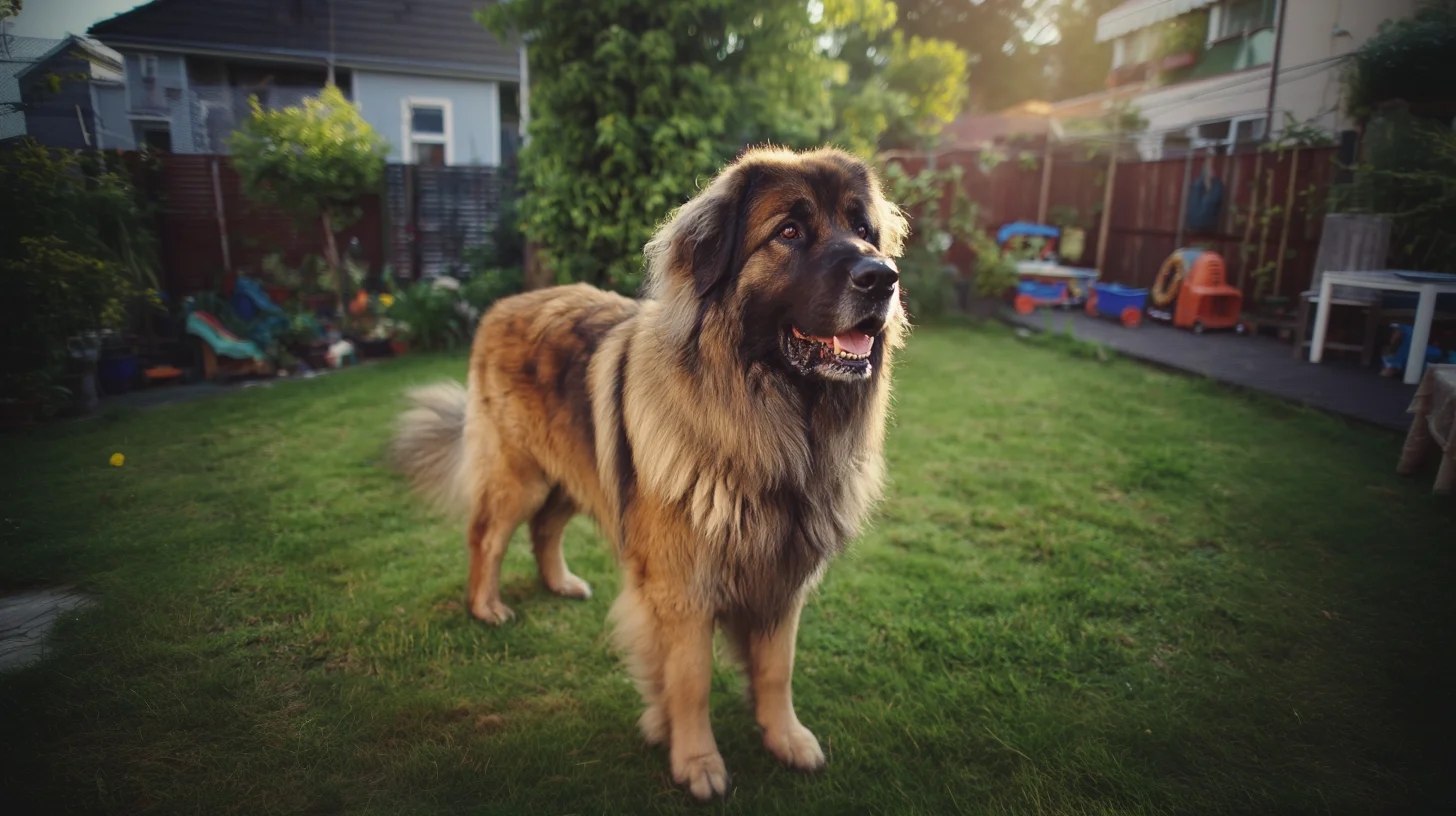
Leonberger
Breed Facts
Height
26-31 inches
Weight
90-170 pounds
Lifespan
7-9 years
Key Traits
Overview
Majestic, gentle companions with lush coats and a calm, affectionate spirit. These powerful, devoted dogs blend impressive strength with a sweet, patient nature—perfect for families and individuals seeking a loving, loyal friend who thrives on close bonds and brings both grandeur and warmth to everyday life.
Temperament & Personality
Leonbergers are true "gentle giants." You'll find this breed affectionate, calm, and eager to please. They form strong bonds with their families and are very patient with children. Leos are intelligent and highly sensitive to human emotions; they often seem to intuitively comfort people and dislike household conflict. This makes them excellent therapy or service dogs as well as loyal family pets.
In general, Leonbergers are even-tempered, confident, and trustworthy. They are friendly with other animals and rarely aggressive. Note that their large size can be overwhelming for very small kids, so supervision is wise. Overall, a well-socialized Leonberger is loving, obedient, and serene at home.
Care, Living Environment, & Grooming
Leonbergers need moderate daily exercise to stay healthy. Plan for about 1–2 hours of activity each day. For example, two 30-minute walks plus an hour of free play or swimming is ideal. They were bred as working dogs, so they enjoy hikes, cart-pulling, and especially swimming (they have webbed feet and a water-resistant coat). Leos do well in cooler climates due to their thick double coat, but they can overheat in hot weather. Always ensure plenty of shade and water in summer and limit midday exercise when it's hot.
Because of their size, Leonbergers are not suitable for apartment living. A large yard or open space is best so they can stretch and play. Keep in mind that they tend to drool and shed, so daily living areas may need regular cleaning.
Grooming a Leonberger is a regular task. Their dense double coat sheds moderately year-round and heavily during seasonal "blow-outs." Brush your Leo at least once or twice a week to prevent mats and control shedding. Bathe only as needed. In addition to coat care, trim their nails, clean their ears, and brush their teeth regularly. For example:
- Weekly: Brush the coat thoroughly (focus on feathered areas); wipe drool around the mouth; clean ears and eyes
- Monthly: Bathe if dirty; trim nails; check paws and coat for debris
Feed a diet designed for giant breeds. Leonberger puppies eat small, frequent meals, but adult Leos should be fed twice daily to reduce bloat risk. Use an elevated feeder if possible to aid digestion. Because Leos gain weight easily, monitor their portions and maintain a regular exercise routine.
Training & Socialization
Leonbergers are highly intelligent and respond well to training. They learn quickly but need a confident handler because of their strength. Start obedience training and socialization early. Expose your puppy to various people, pets, and situations so they grow up confident. Positive reinforcement and consistency are key.
Keep training sessions calm and friendly—Leos are sensitive, and harsh corrections will backfire. With steady, patient training and clear leadership, even a first-time owner can manage a Leonberger. Leos tend to be gentle and not instinctively protective, but their size makes them effective watchdogs (they will bark to alert if something is amiss).
Health Considerations
Leonbergers have a shorter lifespan, around 7–9 years. They share many health issues common to giant breeds:
- Gastric Dilatation-Volvulus (Bloat): The most serious risk; the stomach can twist, which is life-threatening. Feeding smaller meals can help reduce risk. Avoid vigorous exercise immediately before and after meals.
- Hip Dysplasia: Widespread in large breeds, causing arthritis and lameness
- Heart Disease: Dilated cardiomyopathy (DCM) is common; regular heart check-ups are advised
- Cancer: Leonbergers are prone to bone cancer (osteosarcoma) and hemangiosarcoma
- Eye Problems: Entropion (inward-rolling eyelids) and cataracts can occur
- Polyneuropathy: An inherited nerve disease causing muscle wasting in hind legs
Responsible owners should have breeding dogs screened. Recommended tests include hip and elbow X-rays, heart checks (often via ultrasound), and eye exams. Be proactive with weight control and joint supplements to mitigate arthritis risk.
Cost of Ownership
Owning a Leonberger is more expensive due to their size (average annual cost ~$2,500). Key expenses include:
- Food (~$800/year): They eat a lot of high-quality large-breed kibble
- Routine Vet Care (~$600): Vaccines, check-ups, preventative medications. Large dogs may have slightly higher vet costs
- Insurance (~$600): Optional pet insurance due to risk of expensive conditions (bloat, cancer, etc.)
- Grooming (~$300): Supplies (brushes, shampoo) and occasional professional grooming or clipping
- Other (~$200): Large crate/bedding, toys, training classes
First-year costs are significant: expect higher spending on a large crate, puppy gear, initial vetings, and possibly neutering. Regular health screenings (hips, heart) also add to costs. Planning ahead for these expenses will keep your Leo happy and healthy.
Pros and Cons
Pros
- Exceptionally gentle and patient "giant" with family and children
- Highly loyal, intelligent, and trainable
- Calm indoors and affectionate; makes a wonderful therapy or service dog
- Strong watchdog instincts (low aggressiveness, but size deters intruders)
- Excellent swimmer; enjoys outdoor activities like hiking and carting
Cons
- Very large size (can inadvertently knock over small children)
- Heavy shedders and droolers (especially in warm weather)
- Prone to serious health issues (bloat, hip dysplasia, heart problems)
- Requires daily exercise and space (not suited for apartments)
- Short lifespan (around 7–9 years)
Fun Facts
- The Leonberger was bred to look like the lion on the town seal of Leonberg, Germany
- They were popular in European royal courts for their impressive appearance and calm nature
- Leonbergers were used historically as draft and water rescue dogs – the Canadian government even imported them in the early 1900s for water rescues
- Their breed club formed in 1891, and they finally gained AKC recognition in 2010
Frequently Asked Questions
Do Leonbergers shed a lot?
Yes, Leonbergers have a thick double coat and shed heavily, especially during seasonal coat blows. Frequent brushing (several times a week) is needed to manage loose fur.
Are Leonbergers good apartment dogs?
No. Due to their giant size and energy needs, Leonbergers need space to move. A home with a large yard is best; they will become restless in small apartments.
How much exercise does a Leonberger need?
About 1–2 hours daily. This can include two 30-minute walks plus an hour of play or other activities (swimming, hiking). Leos enjoy being active but also relax quietly afterwards.
Can first-time owners handle a Leonberger?
Potentially, yes, but these dogs require extra commitment. Leonbergers are sweet but sensitive, so they need a calm, patient owner. First-timers should be prepared for daily grooming, significant vet care, and training. If you have the space and time, their loyalty and kindness make them rewarding pets.
References
Personality Profile
Find your perfect puppy pair!
Take our quick personality quiz to find the breeds that match your personality.
Start Quiz NowKey Traits
Temperament
affectionate
Reserved
Cuddly
energy Level
Calm Companion
High-Energy Dynamo
Social Behavior
good With Children
Best with Adults/Older Kids
Kid-Friendly
barking Level
Quiet-Natured
Talkative
Care & Maintenance
shedding Level
Light Shedder
Heavy Shedder
exercise Needs
Short Walks Enough
Needs Daily Workouts
Learning & Cognition
trainability
Independent Thinker
Eager Learner
mental Stimulation Needs
Content Relaxer
Needs Challenges
Breed Facts
Height
26-31 inches
Weight
90-170 pounds
Lifespan
7-9 years
Key Traits
You Might Also Like


Find Your Perfect Puppy Pair
Take our scientifically-backed personality quiz to discover which dog breeds align with your personality.
Start the Quiz