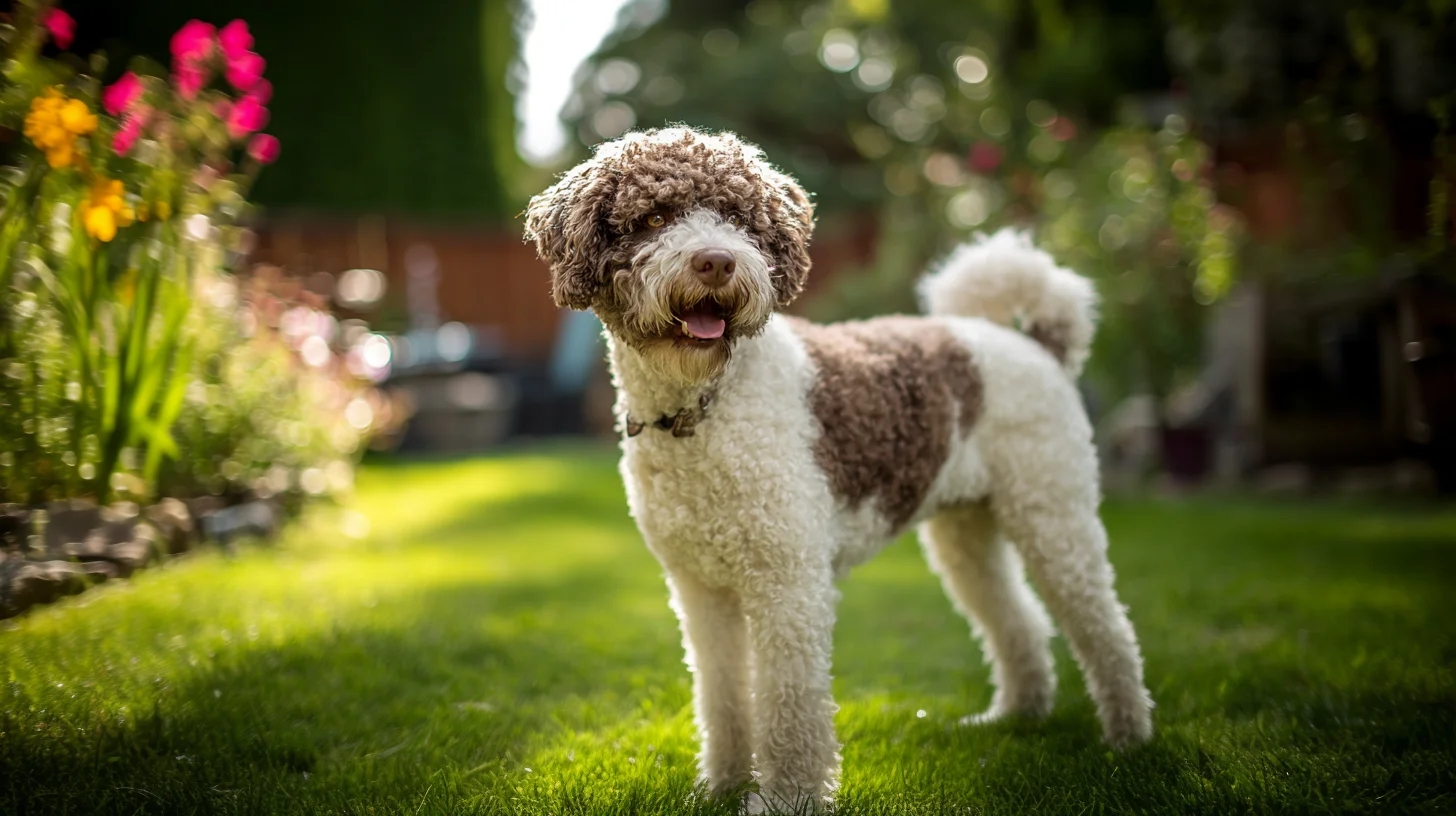
Lagotto Romagnolo
Breed Facts
Height
17-19 inches (male), 16-18 inches (female)
Weight
28.5-35 pounds (male), 24-31 pounds (female)
Lifespan
15-17 years
Key Traits
Overview
Hardworking, affectionate companions with curly coats and an eager, intelligent spirit. These lively, devoted dogs blend excellent noses with a cheerful, loving nature—perfect for active families and individuals seeking a trainable, enthusiastic friend who excels at adventure, bonding, and even truffle hunting.
Temperament & Personality
The Lagotto Romagnolo is an active, intelligent dog that truly thrives on companionship. You’ll find Lagotti (plural for Lagotto) to be affectionate family dogs who form strong bonds and love to be near their people. They’re usually friendly with children and other pets (especially when well-socialized), and their playful, upbeat nature makes them wonderful playmates. This breed is energetic but not typically hyper: a Lagotto loves to run, swim, and play hard, but they also can relax calmly in the house after a good workout.
As a former working dog, the Lagotto is very alert and inquisitive. They have an excellent nose and will always be sniffing around for something interesting. Lagotti tend to bark when something seems unusual or to announce the arrival of visitors, but they are not generally nuisance barkers. Overall, the Lagotto Romagnolo is a cheerful, busy, and loyal companion best suited for active households that can provide plenty of exercise and attention.
Care, Living Environment, & Grooming
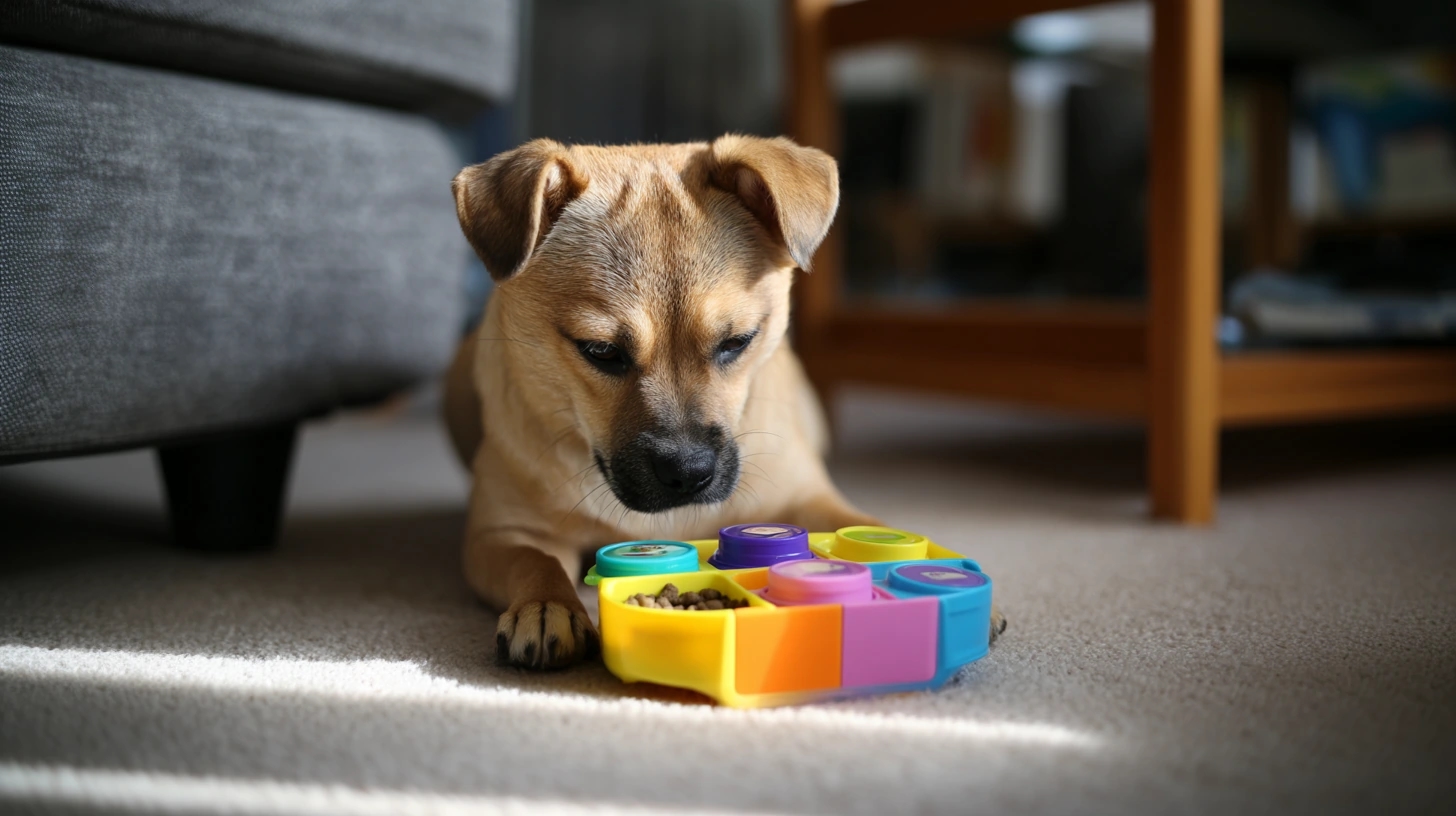
Lagotto Romagnolos absolutely require an active lifestyle. They need at least 60 minutes of exercise every day – long walks, runs, or vigorous play sessions will keep them happy. This breed also loves to swim, so take advantage of that when possible. Equally important is mental stimulation: puzzle toys, nose-work games, and training drills will challenge their quick minds. A bored Lagotto can become restless and may dig or bark excessively. Ideally, provide a securely fenced yard where they can run and explore safely. They can adapt to apartment life only if you fully commit to multiple daily outings – otherwise, a cooped-up Lagotto might become too destructive or unhappy.
The double coat of the Lagotto is thick, curly, and low-shedding (often touted as hypoallergenic). However, those curls require significant upkeep:
- Coat Care: Brush or comb your Lagotto’s coat at least once a week to prevent mats. Plan on a full-body trim every 6–8 weeks to keep the coat manageable (most owners have a groomer clip them short). Also bathe your Lagotto every month or two as needed to keep them clean – use a gentle dog shampoo to avoid drying out the skin.
- Ear Care: Check and clean your Lagotto’s ears weekly. This breed grows hair inside the ear canals that should be carefully clipped or plucked to allow airflow. After swimming, always dry their ears to help prevent infections.
In addition to coat care, maintain routine upkeep for your Lagotto. Trim their nails monthly (or whenever you hear them clicking on the floor) and brush their teeth several times a week for good dental health. Given their activity level, Lagotti tend to stay fit, but be mindful not to overfeed – this food-motivated breed will happily overindulge, and extra weight can stress their joints. With the right balance of exercise, grooming, and nutrition, your Lagotto will stay healthy and comfortable in any climate (their hardy coat helps them tolerate cold weather well, but they should always have a warm indoor spot to rest after outdoor adventures).
Training & Socialization
Training a Lagotto Romagnolo is usually a rewarding experience – these dogs are bright, eager to please, and highly trainable. They respond best to positive reinforcement techniques, such as treats, toys, and enthusiastic praise. Because Lagotti are sensitive and bond closely with their owners, harsh methods or punishment will only harm their trust. Keep training sessions upbeat and varied to hold their attention. Lagotti especially excel at activities that engage their natural talents – for example, many do well in agility courses or nose work trials that let them use their energy and keen noses.
It’s important to start socialization early. Expose your Lagotto puppy to lots of people, dogs, and environments so they grow up confident and well-adjusted. In general the breed is friendly and sociable, but early exposure helps ensure they won’t become timid or overly protective. Puppy classes are an excellent way to combine socialization with basic obedience training. Also, instead of punishing natural behaviors like digging or sniffing, channel them – teach your Lagotto when and where it’s appropriate to dig, or encourage games that use their scenting ability. With good guidance, your Lagotto will develop into a well-mannered companion you can take anywhere.
Health Considerations
Lagotto Romagnolos are typically healthy dogs and often live 15–17 years. Nevertheless, they are prone to a few hereditary conditions that prospective owners should know about. Reputable breeders perform genetic testing to avoid passing on serious disorders. Notable health issues in Lagotti include:
- Lagotto Storage Disease (LSD): A breed-specific neurodegenerative condition that appears in young Lagotti. It causes progressive neurological symptoms and is often fatal. DNA tests can identify carriers so responsible breeders avoid producing affected puppies.
- Benign Juvenile Epilepsy (BFJE): An inherited epilepsy syndrome seen in Lagotto puppies. Affected pups may have seizures at a few weeks old, but they typically outgrow them by 3–4 months of age. Genetic testing helps breeders avoid pairing two carriers.
- Hip Dysplasia: As with many medium-sized breeds, Lagotti can develop hip dysplasia (malformation of the hip joint). This can lead to pain and arthritis over time. Breeding dogs should have their hips evaluated and certified to reduce its occurrence.
- Hyperuricosuria: A genetic tendency toward forming urinary stones due to high uric acid levels. Dogs with this trait may develop bladder or kidney stones that sometimes require surgical removal (a DNA test is available to screen for this condition).
It’s a good idea to discuss these conditions with your Lagotto’s breeder or veterinarian. Not every Lagotto will experience these problems, but staying informed and keeping up with regular vet check-ups will help ensure any issue is caught early. With proper care and health screenings, Lagotto Romagnoli generally enjoy long, vigorous lives as beloved companions.
Cost of Ownership
Expect to spend an average of $1,800 per year to care for a Lagotto Romagnolo. Food will be a significant component – a healthy adult Lagotto eats a few cups of quality dog food per day, totaling around $500 annually for food and treats. Routine veterinary care (annual exams, vaccinations, and preventive medications) typically runs about $300–$500 per year. Given the breed’s health considerations, many owners also invest in pet insurance (approximately $400–$600 annually, depending on coverage). Grooming is another notable expense: unless you groom your Lagotto at home, professional grooming sessions every couple of months can cost $50–$100 each, adding up to roughly $300–$500 a year to keep their coat trimmed and mat-free.
Other ongoing costs include grooming supplies (comb, shampoo, ear cleaner), toys and puzzles (to keep that smart Lagotto mind busy), and miscellaneous gear like leashes or harnesses. It’s also wise to budget for unexpected expenses – for instance, an emergency vet visit or a dental cleaning as your dog ages. The first year of Lagotto ownership may be more costly, especially if you purchase a puppy from a breeder (Lagotto puppies can cost several thousand dollars) and need to pay for initial supplies, spay/neuter surgery, and training classes. Overall, while owning a Lagotto Romagnolo isn’t cheap, their loving companionship and unique skills make them well worth the investment for owners prepared to meet their needs.
Pros and Cons
Pros
- Hypoallergenic coat: Low-shedding, woolly fur produces minimal dander, often suitable for mild allergy sufferers.
- Highly trainable and intelligent: Quick learners that excel in obedience, agility, and scent work.
- Affectionate family dog: Generally good with children and other pets; forms strong bonds and loves being part of an active family.
- Athletic and versatile: Enjoys swimming, hiking, and running – a great outdoor companion with plenty of stamina.
Cons
- High exercise needs: Requires vigorous daily exercise and mental stimulation – not a good choice for sedentary owners.
- Intensive grooming: Curly coat demands frequent brushing and regular trimming; professional grooming can be time-consuming or costly.
- Can be mischievous if bored: May dig, chew, or bark if not adequately exercised or engaged (a strong digging instinct is in their nature).
- Rare breed costs: Acquiring a Lagotto can be expensive, and finding experienced groomers or trainers familiar with the breed might be challenging in some areas.
Fun Facts
- The Lagotto’s name literally translates to “lake dog from Romagna.” In the local Romagnolo dialect, “Càn Lagòt” means “water dog”, referring to the breed’s original job of retrieving waterfowl from marshes.
- It is the only dog breed in the world bred specifically for truffle hunting. Thanks to an exceptional nose and natural digging ability, Lagotti have been used for centuries to sniff out rare truffles (edible fungi) buried underground.
- Lagotto-like dogs appear in Renaissance art. Several 15th–17th century Italian paintings feature small curly-coated dogs that closely resemble the Lagotto Romagnolo – a testament to the breed’s long history in Italy.
Frequently Asked Questions
Do Lagotto Romagnolos shed a lot?
No, Lagotti hardly shed at all. Their curly coat catches shed hair instead of dropping it, which is why the breed is often called hypoallergenic. You won’t find fur all over your furniture or clothes with a Lagotto. Keep in mind that “low-shedding” doesn’t mean low maintenance – you’ll need to brush out those curls to remove loose hair and prevent mats. But overall, you can expect very minimal shedding from a Lagotto Romagnolo.
Are Lagotto Romagnolos good apartment dogs?
They can be, for very active owners. A Lagotto’s size is moderate and they aren’t big barkers, so physically they can live in an apartment. The challenge is meeting their high need for exercise and mental stimulation in a limited space. If you live in an apartment, you’ll need to dedicate a lot of time each day to walks, play, and training exercises to keep your Lagotto satisfied. Many Lagotti do fine in apartments as long as their owners are committed to providing plenty of outdoor adventures and activities. Without that, a cooped-up Lagotto could become noisy or destructive.
How much exercise does a Lagotto Romagnolo need?
A lot – this is a very active breed. Plan on giving your Lagotto at least 1 to 2 hours of exercise daily. That can include long walks, runs, vigorous games of fetch, and especially swimming if possible (they love water). In addition, provide mental exercise through training sessions or nose-work games to really tire them out. A bored Lagotto will quickly find their own “fun,” which might involve digging up your yard or raiding the trash. Tired out with proper exercise, though, a Lagotto will relax happily at home.
Can first-time owners handle a Lagotto Romagnolo?
Yes, if you’re prepared for their needs. Lagotti are friendly, trainable, and medium-sized, which can suit a first-time dog owner. However, they do require more effort than some breeds. As a new owner, you must be ready to provide plenty of exercise (rain or shine), invest time in training and socialization, and either learn to groom a curly coat or budget for regular professional grooming. If you lead an active lifestyle and are excited to engage with your dog every day, a Lagotto can be a wonderful first dog. But if you prefer a low-energy, low-maintenance pet, this breed could be overwhelming for a beginner.
References
Personality Profile
Find your perfect puppy pair!
Take our quick personality quiz to find the breeds that match your personality.
Start Quiz NowKey Traits
Temperament
affectionate
Reserved
Cuddly
energy Level
Calm Companion
High-Energy Dynamo
Social Behavior
good With Children
Best with Adults/Older Kids
Kid-Friendly
barking Level
Quiet-Natured
Talkative
Care & Maintenance
shedding Level
Light Shedder
Heavy Shedder
exercise Needs
Short Walks Enough
Needs Daily Workouts
Learning & Cognition
trainability
Independent Thinker
Eager Learner
mental Stimulation Needs
Content Relaxer
Needs Challenges
Breed Facts
Height
17-19 inches (male), 16-18 inches (female)
Weight
28.5-35 pounds (male), 24-31 pounds (female)
Lifespan
15-17 years
Key Traits
You Might Also Like
Find Your Perfect Puppy Pair
Take our scientifically-backed personality quiz to discover which dog breeds align with your personality.
Start the Quiz