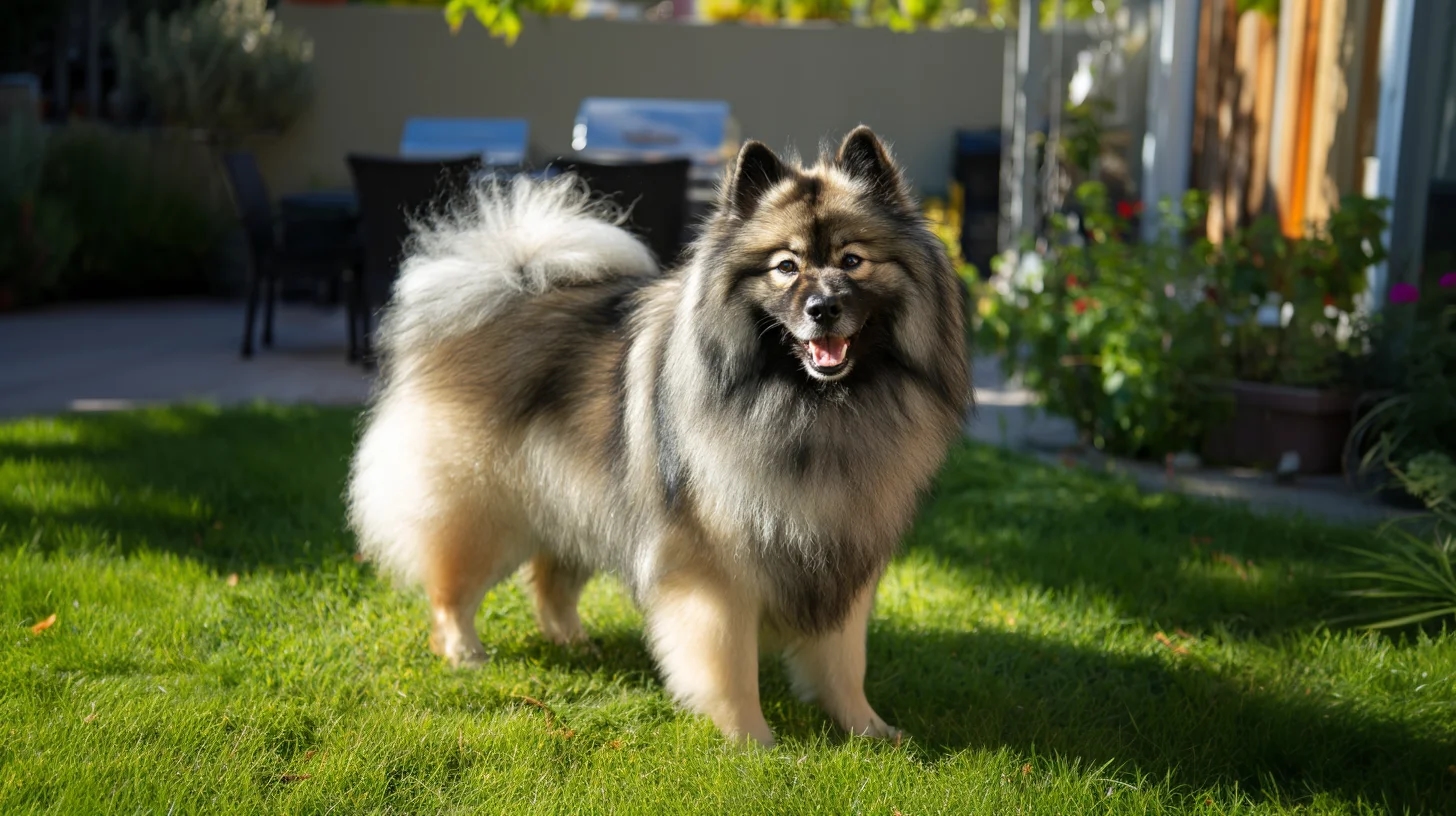
Keeshond
Breed Facts
Height
17-18 inches
Weight
35-45 pounds
Lifespan
12-15 years
Key Traits
Overview
Cheerful, affectionate companions with plush coats and expressive “spectacles” around their eyes. These lively, social dogs blend playful charm with deep devotion—perfect for families and individuals seeking a friendly, alert friend who thrives on close bonds and brings warmth and joy to every moment.
Temperament & Personality
You’ll find that the Keeshond is an affectionate, outgoing spitz who loves being part of the family. Nicknamed the "Smiling Dutchman" for its happy expression, your Keeshond will eagerly join in activities and enjoys playing and cuddling. These dogs form strong bonds with their people and generally get along well with children and other pets. Keeshonden are alert watchdogs; your pup will bark a warning at strangers, though these barks are generally friendly and infrequent. They have a moderate energy level – long daily walks or play sessions keep them happy – and they also enjoy lounging indoors with the family. Many Keeshonds are quite "chatty": they often use a variety of soft barks, whines, and howls to express themselves, which many owners find charming.
Care, Living Environment & Grooming
Your Keeshond’s daily needs are moderate. Plan on about 20–40 minutes of brisk activity each day (a walk or play session) to keep him fit. They adapt well to various living spaces, including apartments, but thrive when given a secure yard or regular outings. Keeshonden are cold-hardy and can spend time outdoors in winter, but their thick double coat makes them prone to overheating in high humidity or extreme heat. Always provide shade and water in warm weather.
Grooming is a significant part of Keeshond care. This breed “blows” its heavy undercoat twice a year, so expect two big shed seasons. Outside of those times, daily brushing is ideal; at minimum, brush 2–3 times per week. Regular grooming prevents mats and keeps the coat healthy. A typical routine might look like:
- Daily/Weekly: Brush the coat thoroughly to remove loose hairs (especially during shedding season), and check ears and eyes for cleanliness. Clean ears and trim nails as needed.
- Monthly: Bathe your Keeshond as needed (about once a month) with a mild shampoo, and trim nails or paw hair.
Feed your Keeshond a high-quality diet portioned appropriately for their size. These dogs can gain weight if overfed, so measure food and avoid excessive treats. Provide fresh water at all times, and adjust portions as your dog ages or changes activity levels.
Training & Socialization
Keeshonden are intelligent and eager to please, which makes them quite trainable. Use positive reinforcement (treats, play, and praise) rather than harsh corrections, as these sensitive dogs respond best to encouragement. Consistent, short training sessions keep them engaged. Early socialization is important: introduce your puppy to many people, pets, and environments so he grows up confident. Keeshonden tend to bark to alert you, so teaching cues like “quiet” can help manage this instinct. Obedience classes or fun dog sports can be a great way to channel their energy and intelligence. Most Keeshonden enjoy learning tricks and commands, which strengthens the bond with you.
Health Considerations
Keeshonds are generally healthy dogs with a typical lifespan of about 12–14 years. However, they do have some breed-specific health concerns. Common hereditary issues include:
- Hip dysplasia: A condition where the hip joint develops improperly, leading to arthritis. Responsible breeders perform hip x-ray screening on breeding dogs.
- Patellar luxation: Kneecaps that slip out of place; this is common in Keeshonden and can cause lameness. Very severe cases may require surgery.
- Primary hyperparathyroidism (PHPT): An inherited gland disorder causing dangerously high calcium levels. Genetic testing is available to identify carriers.
- Other concerns: Keeshonds may also develop thyroid issues (hypothyroidism), cataracts or PRA (eye problems), allergies, and epilepsy.
Regular veterinary check-ups and screenings are recommended. For example, bone/joint x-rays and eye exams can detect problems early. Maintaining a healthy weight and asking your vet about breed-specific tests will help ensure your Keeshond stays in top condition.
Cost of Ownership
On average, owning a Keeshond costs around $1,800 per year. Major expenses include:
- Food: Quality dog food will run roughly $400–$600 annually for a medium dog.
- Veterinary care: Routine vet visits and vaccinations typically cost $300–$600 per year; the first year is higher due to puppy shots and spay/neuter.
- Insurance: Pet insurance or savings for emergencies might be $300–$500 per year (around $25–$45 per month).
- Grooming and supplies: Even though you do most brushing at home, budget $200–$400/year for grooming tools, brushes, and occasional professional baths or trims.
- Other costs: Toys, training classes, license fees, etc., can add a few hundred more.
According to one cost analysis, first-year expenses for a Keeshond can be over $3,200 (puppy supplies, initial vet care), with about $1,400–$1,800 in subsequent years.
Pros and Cons
Pros
- Loyal and affectionate
- Good with children and other pets
- Intelligent and trainable
- Alert watchdog
- Low aggression
Cons
- Profuse seasonal shedding (requires heavy grooming)
- Not suited for very hot climates
- Can develop separation anxiety if left alone
- Moderately active (needs regular exercise)
- Sensitive to harsh training
Fun Facts
- Keeshonds were symbols of Dutch patriotism in the 18th century, named after a Patriot leader “Kees.” The name literally means "Kees' dog".
- They are nicknamed the "Smiling Dutchman" for their cheerful facial markings and friendly grin.
Frequently Asked Questions
Do Keeshonds shed a lot?
Yes. Keeshonden have a thick double coat and "blow" their undercoat seasonally, producing a lot of loose fur. Outside of the heavy-shedding periods, regular brushing 2–3 times per week will help manage the fur. Expect heavy shedding twice a year (spring and fall) when their undercoat comes out in clumps.
Are Keeshonds good apartment dogs?
They can be, if you give them enough attention and exercise. Keeshonds have moderate energy levels and adapt to many living situations. Daily walks and play are important. Because they love being with their people, they may not enjoy long periods alone. Also note that they tend to bark to alert strangers, which could be a consideration in close quarters.
How much exercise does a Keeshond need?
A typical Keeshond needs about 20–40 minutes of exercise per day. This can be split into one or two walks plus playtime. They enjoy activities like fetch and walks but are generally not hyperactive. Mental stimulation through training or games is also beneficial for this intelligent breed.
Can first-time owners handle a Keeshond?
Yes, many first-time owners do well with Keeshonds. They are friendly, eager to please, and relatively easy to train. Just be prepared for their grooming needs and social nature. If you’re ready to spend time brushing their coat and including them in family life, a patient first-time owner can successfully care for a Keeshond.
References
Personality Profile
Find your perfect puppy pair!
Take our quick personality quiz to find the breeds that match your personality.
Start Quiz NowKey Traits
Temperament
affectionate
Reserved
Cuddly
energy Level
Calm Companion
High-Energy Dynamo
Social Behavior
good With Children
Best with Adults/Older Kids
Kid-Friendly
barking Level
Quiet-Natured
Talkative
Care & Maintenance
shedding Level
Light Shedder
Heavy Shedder
exercise Needs
Short Walks Enough
Needs Daily Workouts
Learning & Cognition
trainability
Independent Thinker
Eager Learner
mental Stimulation Needs
Content Relaxer
Needs Challenges
Breed Facts
Height
17-18 inches
Weight
35-45 pounds
Lifespan
12-15 years
Key Traits
You Might Also Like
Find Your Perfect Puppy Pair
Take our scientifically-backed personality quiz to discover which dog breeds align with your personality.
Start the Quiz