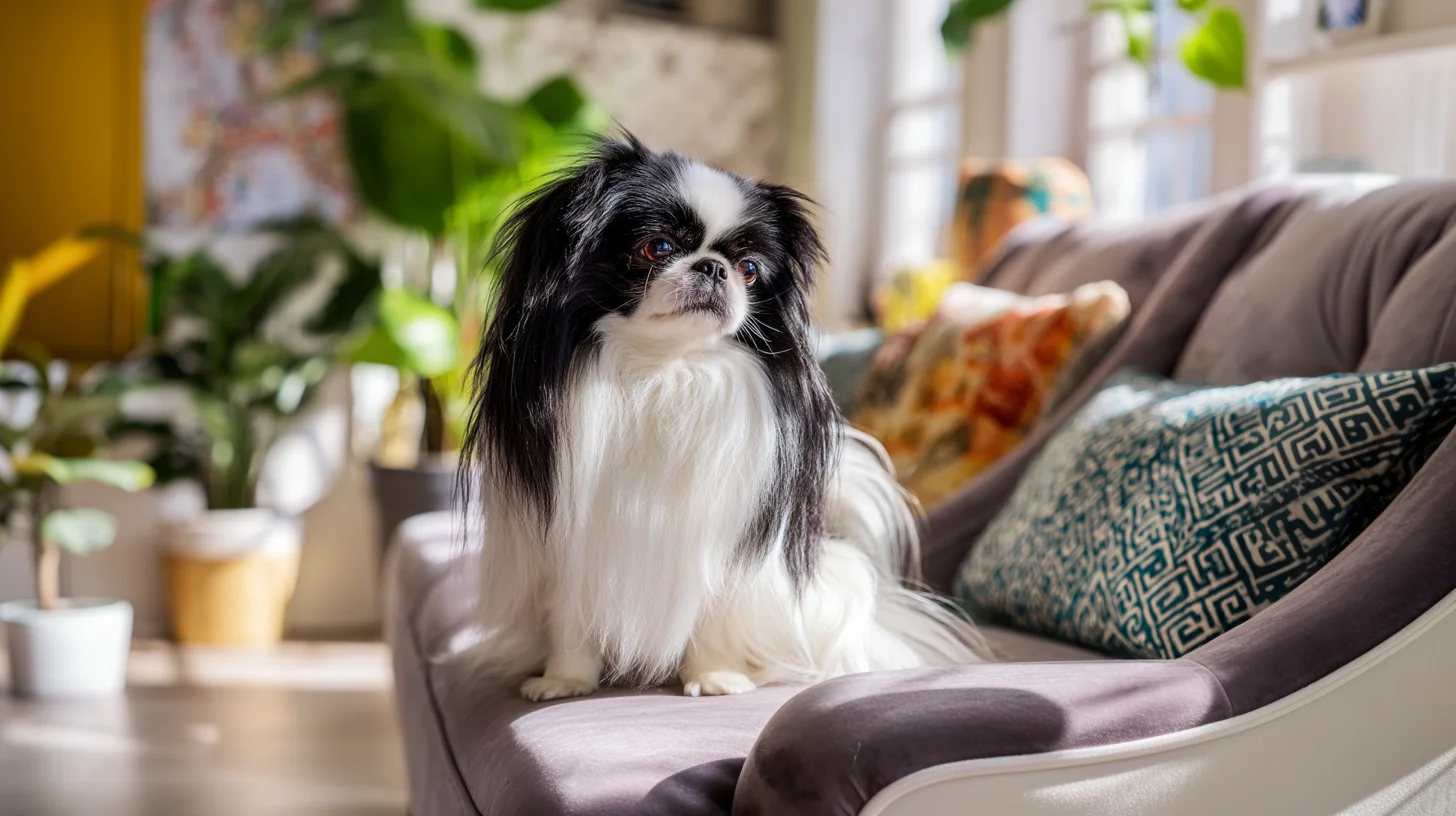
Japanese Chin
Breed Facts
Height
8-11 inches
Weight
4-9 pounds
Lifespan
10-12 years
Key Traits
Overview
Elegant, charming companions with flowing coats and a graceful, cat-like spirit. These affectionate, sensitive dogs blend playful charm with gentle devotion—perfect for individuals and families seeking a refined, loving friend who adores close bonds and brings an air of aristocratic sweetness to the home.
Temperament & Personality
You'll find Japanese Chins to be sweet, gentle and devoted companions. They are playful and affectionate with family, often choosing to curl up in laps. Many owners note that Chins act very "cat-like" – grooming themselves and even perching on high spots in the home. They adapt easily to apartment living and usually bond strongly with their people. Chins tend to be quiet (low barking) and loyal, but they can also be independent and a little stubborn. Early socialization helps them be friendly; without it, they may be aloof around strangers. Take care: Chins generally do not tolerate rough play or being left alone for long periods (they can suffer from separation anxiety). They are usually good with older children and other gentle pets, but their delicate size means they're less suitable for roughhousing.
Care, Living Environment, & Grooming
Japanese Chins are primarily indoor dogs and thrive in home or apartment settings. Their energy level is moderate – plan on daily short walks (about 15–20 minutes) and indoor playtime. They don't need a yard but benefit from a safe, puppy-proofed environment (they can be targets for hawks outdoors due to small size). Like all brachycephalic breeds, Chins are sensitive to heat and humidity; avoid heavy exercise in hot weather and always provide fresh water.
Grooming is relatively easy thanks to their silky single-layer coat. Brush your Chin about once a week to prevent tangles (especially during seasonal shedding). They often groom themselves like cats, so bathing can be done only as needed (roughly once a month). Trim nails regularly (their nails grow fast) and check their ears and eyes weekly for debris. Brush teeth several times a week to prevent dental disease. Feed a high-quality, portion-controlled diet; Chins can be prone to obesity if overfed.
- Weekly: Brush coat to prevent mats; trim nails if needed; check/clean ears.
- Monthly: Bathe the dog (Chins self-groom often); give a thorough ear check and teeth brushing a few times a week.
- Daily: Provide fresh water (especially in heat); engage in play or training for mental stimulation.
Because they don't tolerate extreme temperatures, keep your Chin indoors in very hot or cold weather. A small cool-bed or warmed blanket can help them stay comfortable. Chins adapt well to apartment life, but they do require supervision outdoors (watch for small animals and don't let them off-leash, as they can stubbornly run off).
Training & Socialization
Chins are intelligent but sensitive; they respond best to gentle, positive training. Harsh corrections or yelling can make them fearful. Use treats, praise, and clicker methods to motivate your Chin. Keep sessions short and fun – this breed enjoys learning tricks and even performing "the chin spin" when excited. Because they're independent and somewhat stubborn, consistency and patience are key. Early socialization (introducing your Chin to different people, pets, and environments) will help prevent shyness or territorial behavior. Due to their brachycephalic build, use a well-fitted harness (not a tight collar) for walks to avoid neck strain. Chins aren't watchdogs – they are generally quiet – but they may alert you to new arrivals. Remember, they have low prey drive; small pets are usually safe with a Chin but always supervise initial introductions.
Health Considerations
Japanese Chins are generally healthy and long-lived. Lifespan is about 10–12 years. However, like all breeds, they have some hereditary conditions to watch for. Responsible breeders screen parents for these. Common issues in the Japanese Chin include:
- Brachycephalic Airway Syndrome: Flat faces can cause noisy breathing, snoring, exercise intolerance and heat sensitivity.
- Patellar Luxation: Dislocation of the kneecap, which may require surgery if severe.
- GM2 Gangliosidosis: A fatal inherited neurologic disease in young Chin pups (DNA tests can prevent breeding affected dogs).
- Eye Problems: Chins may develop cataracts, dry eye or eyelid malformations (entropion) that can cause pain or blindness.
- Dental Disease: Like many toy breeds, Chins are prone to early periodontal disease. Without care, this can lead to infections affecting heart and kidneys.
- Heart Disease: Early-onset mitral valve disease (heart murmur) can occur. Regular cardiac checks are advised.
Recommended health screenings include knee (patella) evaluations and cardiac exams (EKG), as well as eye examinations for early lens or corneal issues. Regular vet check-ups (at least yearly) with dental exams are also important. Keep your Chin at a healthy weight and brush its teeth daily to prevent complications.
Cost of Ownership
Owning a Japanese Chin typically runs around $1,800 per year. Major costs include food, medical care, insurance, and grooming. For example, the ASPCA estimates about $300/year for dog food and $225 for routine vet visits (vaccines/check-ups). Preventive meds (heartworm, flea/tick) add roughly $150–200. Pet health insurance often costs $300–500 annually depending on coverage. Grooming costs are modest since brushing can be done at home – budget maybe $20–50/year for grooming supplies or occasional professional bath. First-year expenses will be higher: expect puppy essentials (crate, bed, toys), initial vaccinations, spay/neuter, microchip, and training classes could push the first-year total to $2,500–$3,000. After that, plan roughly $1,500–$2,000 per year for food, preventative care and emergency savings.
Pros and Cons
Pros
- Loyal, affectionate companion with gentle disposition.
- Well-suited to apartment or small-home living; quiet (minimal barking).
- Relatively low coat maintenance (brush weekly).
- Adaptable and good with gentle older children.
Cons
- Sensitive to heat and respiratory issues (flat face).
- Requires constant companionship (prone to separation anxiety).
- Can be stubborn or independent; needs patient training.
- Prone to obesity if overfed and health issues (eyes, knees).
Fun Facts
- Not actually from Japan: Despite its name, the Japanese Chin likely originated in China. Nobles and Buddhist monks prized these tiny dogs for centuries before they appeared in Japan.
- Regal gift: In 1853, Commodore Perry brought Japanese Chins from Japan to the West. One ("Asta") became the pet of Queen Victoria's daughter, sparking Western interest in the breed.
- Cat-like tricks: Japanese Chins love perching and grooming themselves like cats. Excited Chins sometimes do the playful "chin spin" – a tight excited twirl on command.
Frequently Asked Questions
Do Japanese Chins shed a lot?
No – Chins have a single-layer coat and shed only moderately. They are not heavy shedders like some long-coated breeds. Weekly brushing is usually enough to control loose hair.
Are Japanese Chins good apartment dogs?
Absolutely. Their small size and calm indoor demeanor make them excellent apartment pets. They adapt well to limited space as long as they get short daily walks and playtime.
How much exercise does a Japanese Chin need?
Not much. Chins need only short daily walks (about 10–20 minutes) and indoor play. They enjoy running around the house or a few minutes of fetch, but they tire easily and won't require long hikes.
Can first-time owners handle a Japanese Chin?
Yes – Chins often suit first-time owners. They are gentle, intuitive dogs who respond well to kind handling. Just remember to use positive reinforcement and avoid harsh training. Their small size and moderate needs make them easier than many breeds, as long as owners give them the love and socialization they crave.
References
Personality Profile
Find your perfect puppy pair!
Take our quick personality quiz to find the breeds that match your personality.
Start Quiz NowKey Traits
Temperament
affectionate
Reserved
Cuddly
energy Level
Calm Companion
High-Energy Dynamo
Social Behavior
good With Children
Best with Adults/Older Kids
Kid-Friendly
barking Level
Quiet-Natured
Talkative
Care & Maintenance
shedding Level
Light Shedder
Heavy Shedder
exercise Needs
Short Walks Enough
Needs Daily Workouts
Learning & Cognition
trainability
Independent Thinker
Eager Learner
mental Stimulation Needs
Content Relaxer
Needs Challenges
Breed Facts
Height
8-11 inches
Weight
4-9 pounds
Lifespan
10-12 years
Key Traits
You Might Also Like
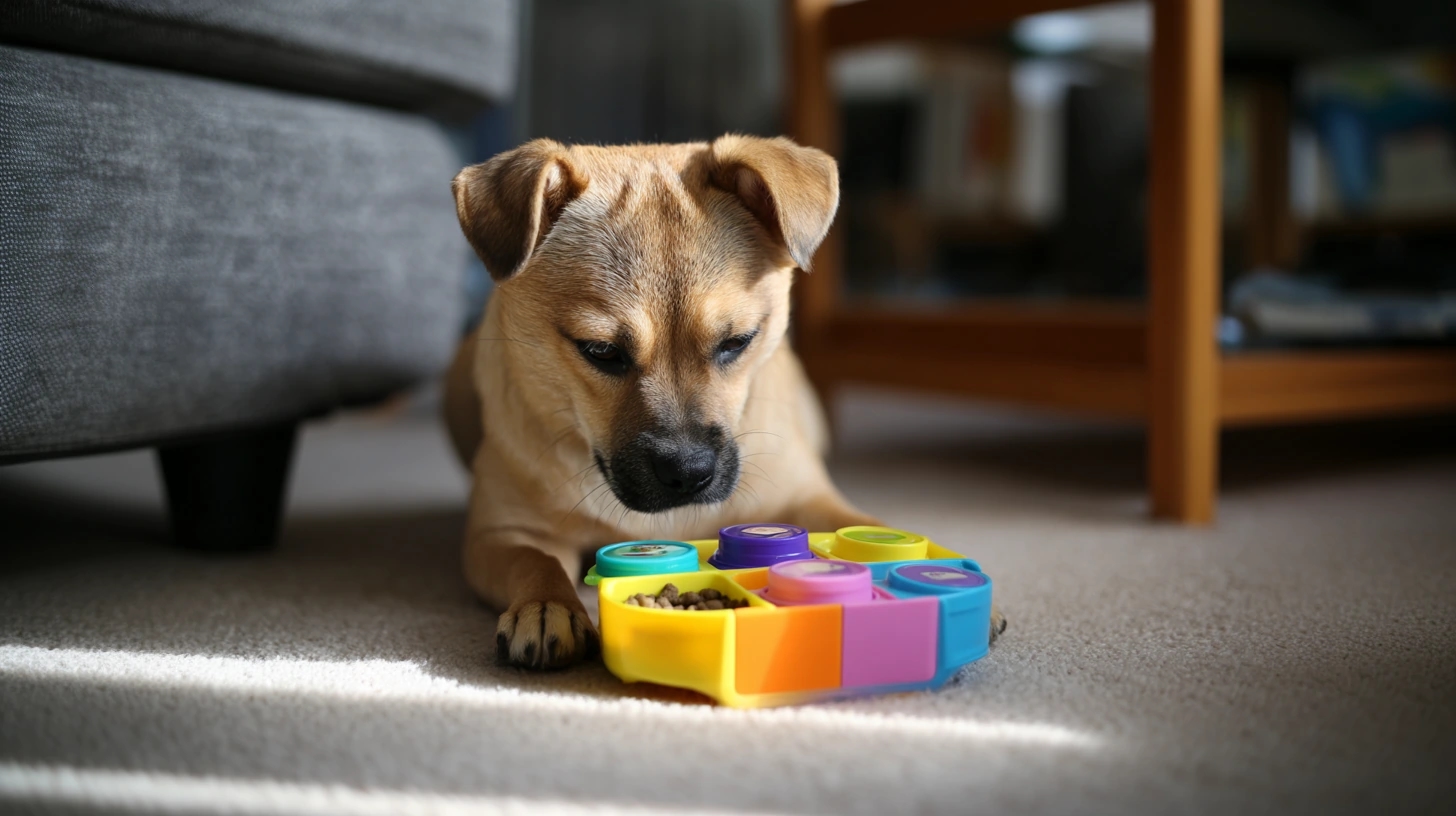
Find Your Perfect Puppy Pair
Take our scientifically-backed personality quiz to discover which dog breeds align with your personality.
Start the Quiz