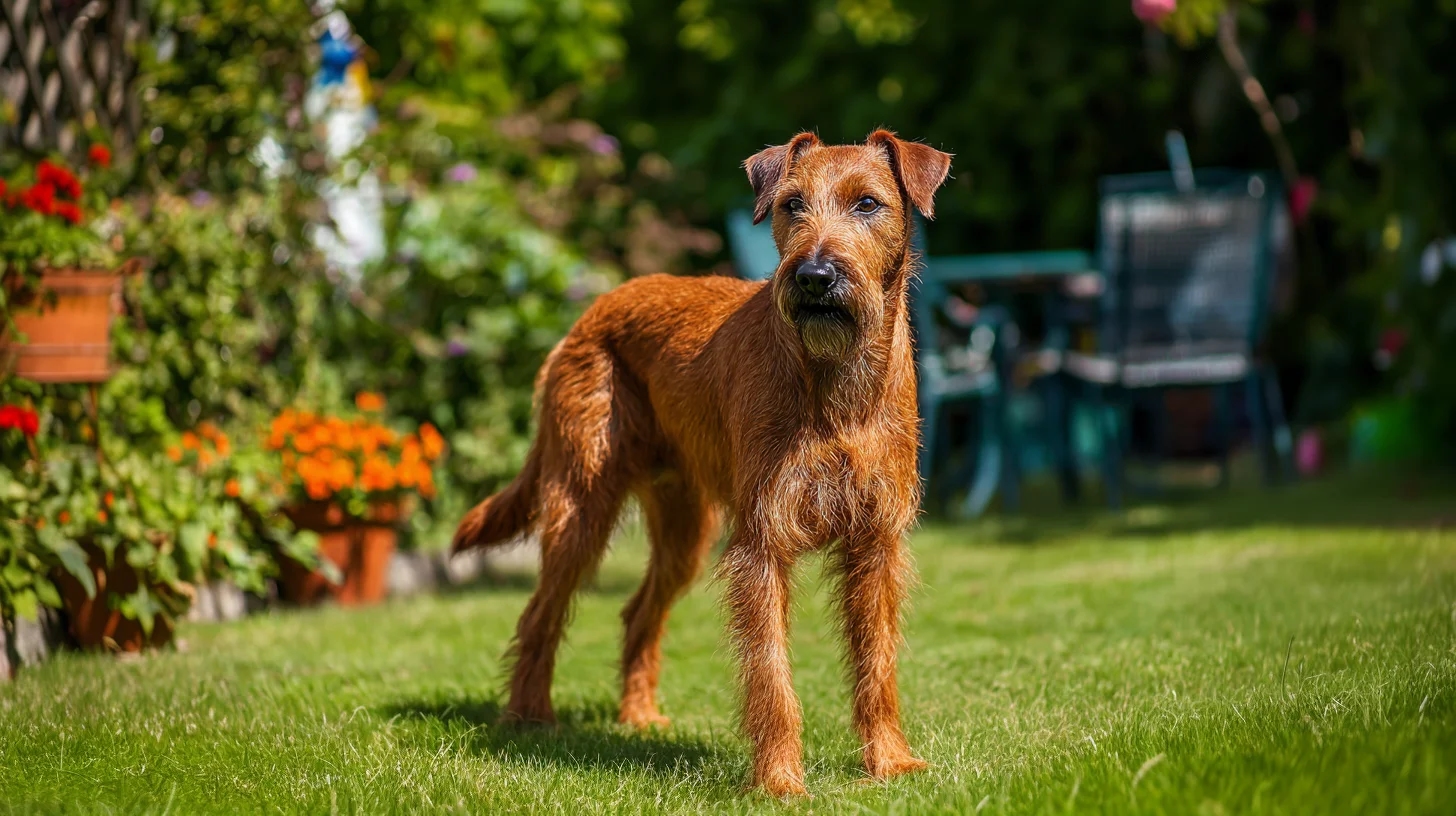
Irish Terrier
Breed Facts
Height
18-19 inches
Weight
25-27 pounds
Lifespan
13-15 years
Key Traits
Overview
Bold, spirited companions with wiry red coats and a fearless, lively spirit. These intelligent, affectionate dogs blend adventurous energy with deep loyalty—perfect for active individuals and families seeking a brave, playful friend who loves close bonds, exploring new places, and bringing endless charm to daily life.
Temperament & Personality
The Irish Terrier is a study in contrasts, famously nicknamed the "Daredevil" for a bold, courageous spirit that sees them rush headlong into any challenge, often blind to the consequences. Yet, at home, this fiery redhead melts into a tenderhearted, deeply loyal, and affectionate family member. You'll find your Irish Terrier to be good-tempered and spirited, but this temperament is a direct reflection of their history as an all-purpose Irish farm dog, tasked with being a hunter, guardian, and companion all at once.
This historical job description forged a complex personality. The need to hunt vermin independently created a clever, problem-solving mind that can also be stubborn and strong-willed. The duty to guard the homestead bred a stouthearted protector, vigilant and brave, which can translate to being combative with other dogs, particularly those of the same sex. For this reason, they often thrive as the only dog in the household.
With family, they are gentle and forbearing. They are generally good with children they are raised with, matching their energy and playfulness, but their rambunctious nature means supervision is always essential, especially with younger kids. Their intense prey drive, however, makes them unsuitable for homes with cats or other small pets, whom they will almost certainly view as quarry.
Care, Living Environment & Grooming
Caring for an Irish Terrier means managing their high energy and specialized coat. These are not low-maintenance dogs; they require a significant commitment to daily activity and specific grooming practices. Your Irish Terrier will need at least 60 to 90 minutes of vigorous exercise every day to stay physically healthy and mentally stimulated. Long walks, jogging, and engaging dog sports like agility, rally, or flyball are excellent outlets for their boundless energy.
An Irish Terrier's ideal living environment is a home with a very secure yard. Their prey drive and curiosity make them talented escape artists, known for jumping or digging their way out of enclosures. Fencing should be at least 5 to 6 feet high and solid at the base. While they can adapt to apartment living, it is only feasible if you are exceptionally dedicated to meeting their extensive daily exercise and mental engagement needs.
The most distinctive feature, their fiery red coat, is also their most demanding care requirement. It is a double coat, with a harsh, wiry, weather-resistant outer layer and a soft, dense undercoat that provides insulation. This coat is not meant to be clipped like that of many other breeds. Clipping cuts the hard outer hairs, leaving the soft undercoat to dominate, which permanently ruins the coat's wiry texture, fades its color, and compromises its protective, water-resistant qualities.
To maintain the coat's health and appearance, it must be hand-stripped—a process of pulling out the dead outer hairs by hand or with a special tool—two to four times a year. This is a non-negotiable aspect of their care. You will either need to learn this time-consuming skill yourself or find a professional groomer who specializes in the technique.
Your weekly grooming routine will include:
- Brushing: A thorough brushing once or twice a week with a bristle or pin brush to remove dirt and loose hair.
- Nail Trimming: Trim nails every 2-3 weeks to prevent discomfort and walking issues.
- Dental Care: Brush teeth several times a week to prevent tartar buildup and gum disease.
Training & Socialization
Training an Irish Terrier is a rewarding challenge that requires understanding their unique mindset. They are highly intelligent and learn quickly, but they were bred to be independent thinkers, which can manifest as a stubborn or self-willed streak. They may not obey blindly; instead, they might weigh your command against their own assessment of the situation.
Because of this, training must be a partnership. Your role is to be a confident, consistent, and benevolent leader, not a drill sergeant. Harsh methods will only create conflict and are likely to backfire. Irish Terriers respond beautifully to positive reinforcement techniques that use treats, praise, and toys as motivation. Keep training sessions short, fun, and varied to hold their sharp mind's interest and prevent boredom.
Socialization is not optional for this breed; it is an absolute necessity that must start in puppyhood and continue throughout their life. Early and frequent positive exposure to a wide variety of people, places, sounds, and other dogs is critical to help manage their natural guarding instincts and potential for reactivity toward other canines. A well-socialized Irish Terrier is a confident and well-mannered companion, but their innate prey drive and terrier fire mean they should never be considered completely reliable off-leash in an unfenced area.
Health Considerations
The Irish Terrier is a robust and generally healthy breed with a life expectancy of 13 to 15 years. However, like all purebreds, they are predisposed to certain genetic conditions. Responsible breeders screen their stock for these issues, and you should always inquire about the health history of a puppy's parents.
While the Irish Terrier Club of America (ITCA) identifies two primary hereditary diseases, their prevalence can vary significantly by region and breeding line, making informed questioning crucial.
- Hereditary Footpad Hyperkeratosis (HFH): This recessive genetic disorder causes the skin on a dog's footpads to thicken and harden, leading to painful cracks and fissures. Symptoms typically appear when a puppy is 4 to 5 months old. Thanks to the development of a DNA test and diligent work by breeders, HFH is now considered rare in North American lines, though it may still be present in dogs from some European lines.
- Cystinuria: This inherited metabolic condition prevents the kidneys from properly reabsorbing the amino acid cystine, which can then form painful stones in the bladder or kidneys. It primarily affects intact (non-neutered) male dogs. While often described as uncommon in the breed, a 2023 study in the Czech Republic found a high prevalence of 75.9% among the intact male Irish Terriers they tested, indicating that the responsible gene can be highly concentrated in certain populations. There is currently no DNA test for this specific type in Irish Terriers, so discussing a breeder's experience with the condition in their lines is important.
- Other Potential Issues: Like many breeds, Irish Terriers can also be affected by conditions such as hip dysplasia, cataracts, and patellar luxation (dislocating kneecap).
Cost of Ownership
You should budget for an average annual cost of around $1,800 to care for your Irish Terrier. This figure does not include unexpected veterinary emergencies. First-year costs will be significantly higher, factoring in the purchase price of a puppy, which can range from $800 to over $3,700 from a reputable breeder, as well as initial supplies and spay/neuter surgery.
Your annual expenses will typically be allocated across several key areas. A high-quality diet may cost between $450 and $700 per year. Routine veterinary care, including check-ups, vaccinations, and parasite prevention, can range from $400 to $700. Pet insurance is a wise investment, with average annual premiums for dogs around $720. The most variable cost is grooming; if you opt for professional hand-stripping, expect to pay several hundred dollars a year.
Pros and Cons
Pros
- Fiercely loyal and deeply affectionate with family
- Intelligent, spirited, and playful personality
- Excellent and courageous watchdog
- Low-shedding coat
- Generally a hardy and healthy breed
Cons
- Can be combative and reactive towards other dogs
- High prey drive makes them unsafe for homes with small pets
- Stubborn streak requires a patient and confident owner
- High energy level demands significant daily exercise
- Coat requires specialized, high-commitment hand-stripping
Fun Facts
- The Irish Terrier's history is as rich and spirited as the breed itself. During World War I, their intelligence, loyalty, and sheer grit earned them a legendary reputation as messenger dogs and sentinels in the brutal conditions of the trenches.
- The breed also played a pioneering role in animal welfare. In the late 19th century, the Irish Terrier Club was a leading voice in the movement to ban the cosmetic practice of ear cropping. Their successful campaign persuaded the UK's Kennel Club to rule in 1889 that no Irish Terrier born after that date could be shown with cropped ears, a decision that helped pave the way for a wider ban on the practice for all breeds.
- Remarkably, most modern Irish Terriers can trace their ancestry back to just two dogs from the 1870s: a dog named 'Killiney Boy' and a bitch named 'Erin'.
Frequently Asked Questions
Do Irish Terriers shed a lot?
No, Irish Terriers are a low-shedding breed. However, their wiry coat requires regular brushing and must be hand-stripped a few times a year to remove dead hair and maintain its proper texture and health, a process that is more involved than typical grooming.
Are Irish Terriers good apartment dogs?
They can be, but only if their extensive exercise needs are met without fail. They require at least an hour of vigorous activity daily and will become restless and destructive without it. A home with a securely fenced yard is a much better fit.
How much exercise does an Irish Terrier need?
A lot. Plan for a minimum of 60 to 90 minutes of vigorous exercise every single day. This includes not just walks, but also opportunities to run, play, and engage in mentally stimulating activities like training or dog sports.
Can first-time owners handle an Irish Terrier?
It can be a challenge. Their intelligence is matched by their stubbornness, and they require a confident, patient, and consistent owner from day one. A first-time owner who is willing to commit to extensive training, socialization, and exercise can succeed, but this is not a breed for a timid or inconsistent person.
References
Personality Profile
Find your perfect puppy pair!
Take our quick personality quiz to find the breeds that match your personality.
Start Quiz NowKey Traits
Temperament
affectionate
Reserved
Cuddly
energy Level
Calm Companion
High-Energy Dynamo
Social Behavior
good With Children
Best with Adults/Older Kids
Kid-Friendly
barking Level
Quiet-Natured
Talkative
Care & Maintenance
shedding Level
Light Shedder
Heavy Shedder
exercise Needs
Short Walks Enough
Needs Daily Workouts
Learning & Cognition
trainability
Independent Thinker
Eager Learner
mental Stimulation Needs
Content Relaxer
Needs Challenges
Breed Facts
Height
18-19 inches
Weight
25-27 pounds
Lifespan
13-15 years
Key Traits
You Might Also Like

Find Your Perfect Puppy Pair
Take our scientifically-backed personality quiz to discover which dog breeds align with your personality.
Start the Quiz