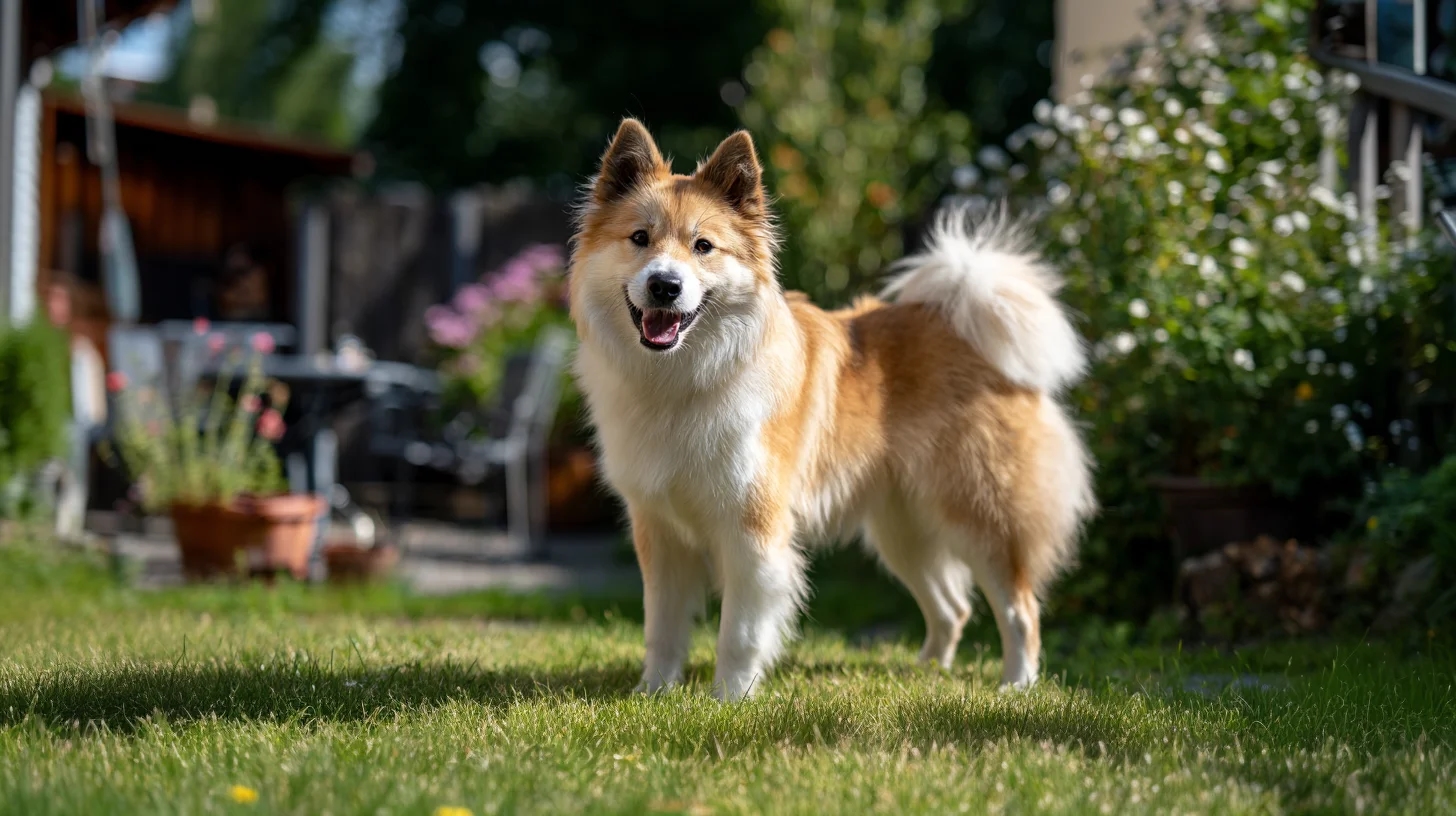
Icelandic Sheepdog
Breed Facts
Height
15-18 inches
Weight
20-30 pounds
Lifespan
12-14 years
Key Traits
Overview
Cheerful, hardy companions with fluffy coats and an enthusiastic, friendly spirit. These intelligent, affectionate dogs blend playful energy with strong herding instincts—perfect for active families and individuals seeking a lively, devoted friend who thrives on adventure, close bonds, and bringing joy to every day.
Temperament & Personality
You'll find the Icelandic Sheepdog to be an unfailingly cheerful and sociable companion. Their temperament is confident, inquisitive, and friendly to a fault; they greet nearly everyone, including strangers, with tail-wagging enthusiasm. This is a breed that is deeply devoted to its human "flock," forming such a tight bond that they are often called "velcro dogs" or furry shadows, following their people from room to room.
Their energy level is high, a direct reflection of their history as tireless herders. They are highly intelligent and thrive when they have a job to do. A key personality trait is their vocal nature. They are prone to barking—not out of aggression, but to alert you to anything new, to express excitement, or to fulfill their ancient instinct to watch the skies for birds. With proper socialization, they are wonderful with children and other household pets.
Care, Living Environment, & Grooming
Caring for an Icelandic Sheepdog means committing to an active lifestyle. They are best suited for a home with energetic owners who enjoy outdoor activities. While they can adapt to apartment living, it is only if their significant exercise needs are rigorously met every single day. A house with a securely fenced yard is ideal, as their strong herding instincts can compel them to chase cars, squirrels, or anything that moves.
Their thick, weather-resistant double coat makes them well-suited for cold climates, but they adapt surprisingly well to warmer temperatures, often growing a less dense coat. Still, you should provide shade and water and avoid strenuous exercise in extreme heat. Their exercise needs are non-negotiable; they require at least an hour of vigorous activity daily. This should be more than a simple walk and can include hiking, running, or engaging in dog sports like agility, which satisfies both their mind and body.
Grooming is straightforward but requires consistency, especially during shedding seasons:
- Weekly Care: Brush their thick double coat once a week with a slicker brush or comb to remove loose hair and prevent mats
- Seasonal Care: Twice a year, they will "blow" their undercoat, resulting in a blizzard of fur. Daily brushing is necessary during these periods to manage the heavy shedding
- Monthly Care: Trim their nails as needed. A unique feature of the breed is the presence of double dewclaws on the hind legs, which should also be checked and trimmed to prevent snagging
Training & Socialization
Training an Icelandic Sheepdog is a joyful and rewarding partnership. Their high intelligence and eagerness to please make them exceptionally quick learners. They excel when training is treated like a fun game or a job. Positive reinforcement techniques work best, as these sensitive dogs do not respond well to harsh corrections. Because they are so smart, they can become bored with endless repetition, so keep training sessions varied and engaging.
Early socialization is important to help your Icie puppy grow into a well-mannered adult. While they are naturally friendly, socialization teaches them how to greet people and other dogs politely (without jumping all over their new best friends). Their strong herding drive means that teaching a rock-solid recall command is one of the most important safety skills you can impart. You can manage their tendency to bark with consistent training, but you will never—and should never try to—eliminate it completely, as it is a core part of who they are.
Health Considerations
The Icelandic Sheepdog is a generally robust and healthy breed with a life expectancy of 12 to 14 years. Like all purebreds, they are predisposed to certain genetic conditions, though the breed has been managed carefully by breeders to promote health. Responsible breeders will screen their dogs for these issues:
- Hip and Elbow Dysplasia: This is a malformation of the hip or elbow joints that can lead to pain and arthritis later in life. It is a common concern in many active, medium-sized breeds
- Patellar Luxation: A condition where the dog's kneecap slips out of its normal position, which can cause intermittent lameness
- Eye Conditions: Hereditary cataracts (a clouding of the lens) and distichiasis (eyelashes growing abnormally on the eyelid margin) can occur in the breed
- Cryptorchidism: A developmental condition where one or both testicles fail to descend into the scrotum
The Icelandic Sheepdog Association of America encourages breeders to screen for hip, elbow, patella, and eye conditions to maintain the breed's overall health.
Cost of Ownership
Expecting to own an Icelandic Sheepdog involves budgeting for an active lifestyle, with an average annual cost of around $2,200. The initial price for a puppy from a reputable breeder typically falls between $1,500 and $3,000, reflecting the breed's rarity and the breeder's investment in health screening and socialization.
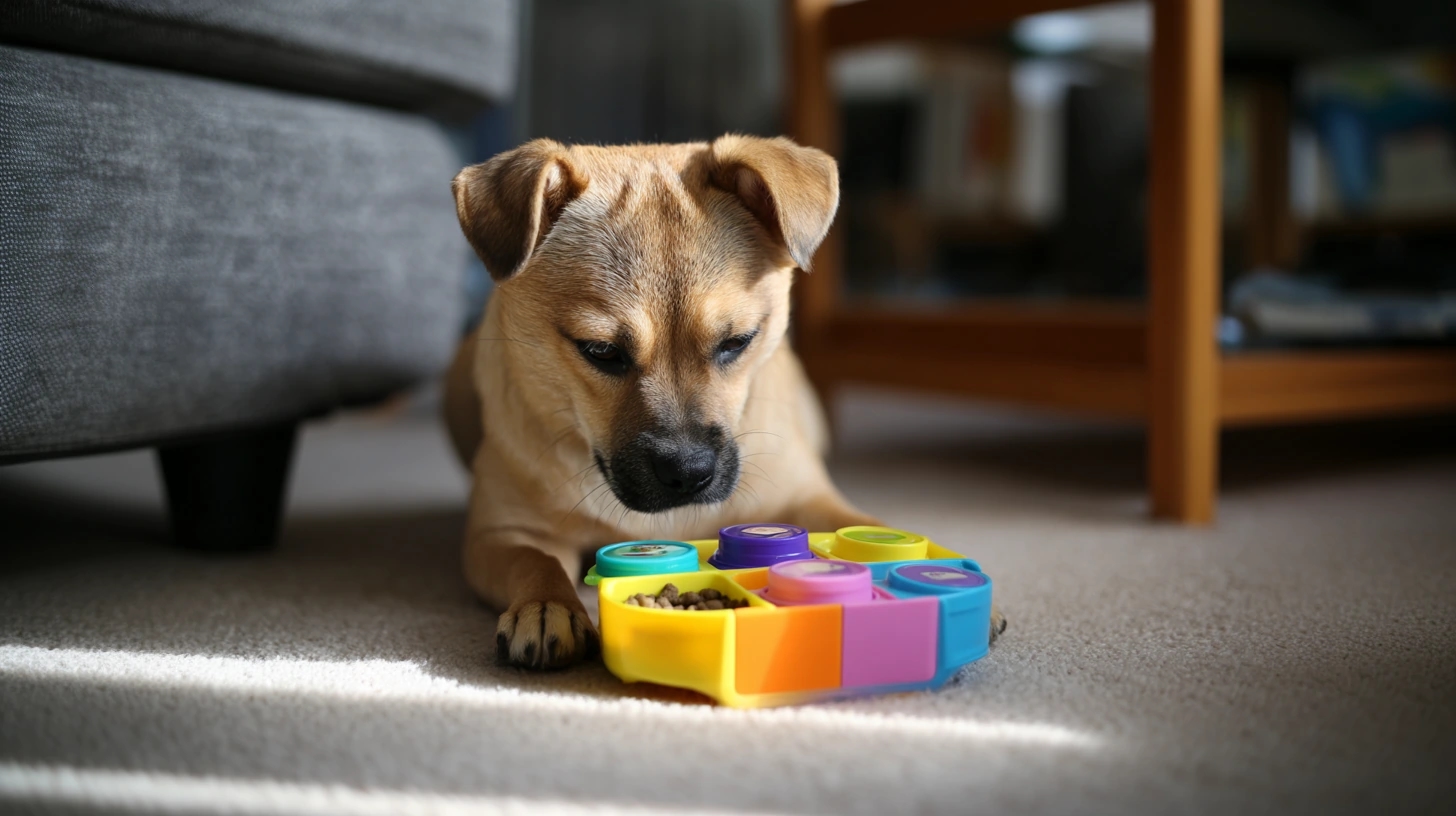
Annual food costs for this active, medium-sized dog will be approximately $500-$800. Routine veterinary care will add another $500-$1,000 for check-ups and preventatives. Beyond these basics, you should budget for the activities that will keep your Icie happy. This includes costs for training classes like obedience or agility, durable puzzle toys for mental stimulation, and quality gear for hiking or other adventures.
Pros and Cons
Pros
- Joyful, friendly, and confident personality
- Highly intelligent and eager to work with you
- Excellent with children and other pets
- A hardy and generally healthy breed
- An enthusiastic partner for hiking, running, and dog sports
Cons
- Very high energy and mental stimulation needs
- A naturally vocal breed that barks frequently
- Prone to separation anxiety; needs to be with their people
- Sheds heavily, especially during seasonal "coat blows"
- Can become bored and destructive without a "job"
Fun Facts
- The Icelandic Sheepdog was brought to Iceland by Viking settlers in the 9th century and remains the country's only native dog breed. It is considered a national treasure
- The breed is so ancient that it is mentioned by name in William Shakespeare's play "Henry V"
- A distinctive feature of the Icelandic Sheepdog is the presence of functional double dewclaws on their hind legs, which helped them navigate the rugged Icelandic terrain
Frequently Asked Questions
Do Icelandic Sheepdogs shed a lot?
Yes, they do. Icelandic Sheepdogs have a thick double coat that sheds moderately all year. Twice a year, they "blow" their undercoat, resulting in a period of very heavy shedding that requires daily brushing to keep under control.
Are Icelandic Sheepdogs good apartment dogs?
They can adapt to apartment life only if their owner is exceptionally dedicated to providing several hours of vigorous exercise and mental challenges outside the home every day. Their high energy and vocal tendencies make them better suited for a house with a securely fenced yard.
How much exercise does an Icelandic Sheepdog need?
This is a high-energy herding breed requiring at least 60 minutes of vigorous activity daily. A simple walk is not enough. They thrive on activities like hiking, running, and participating in dog sports like agility or herding to stay happy and well-behaved.
Can first-time owners handle an Icelandic Sheepdog?
An active, committed first-time owner can be a great match for an Icie. However, you must be fully prepared for their high energy, intelligence, and vocal nature. This is not a breed for a sedentary lifestyle; they require a significant commitment to training and daily activity.
References
Personality Profile
Find your perfect puppy pair!
Take our quick personality quiz to find the breeds that match your personality.
Start Quiz NowKey Traits
Temperament
affectionate
Reserved
Cuddly
energy Level
Calm Companion
High-Energy Dynamo
Social Behavior
good With Children
Best with Adults/Older Kids
Kid-Friendly
barking Level
Quiet-Natured
Talkative
Care & Maintenance
shedding Level
Light Shedder
Heavy Shedder
exercise Needs
Short Walks Enough
Needs Daily Workouts
Learning & Cognition
trainability
Independent Thinker
Eager Learner
mental Stimulation Needs
Content Relaxer
Needs Challenges
Breed Facts
Height
15-18 inches
Weight
20-30 pounds
Lifespan
12-14 years
Key Traits
You Might Also Like
Find Your Perfect Puppy Pair
Take our scientifically-backed personality quiz to discover which dog breeds align with your personality.
Start the Quiz