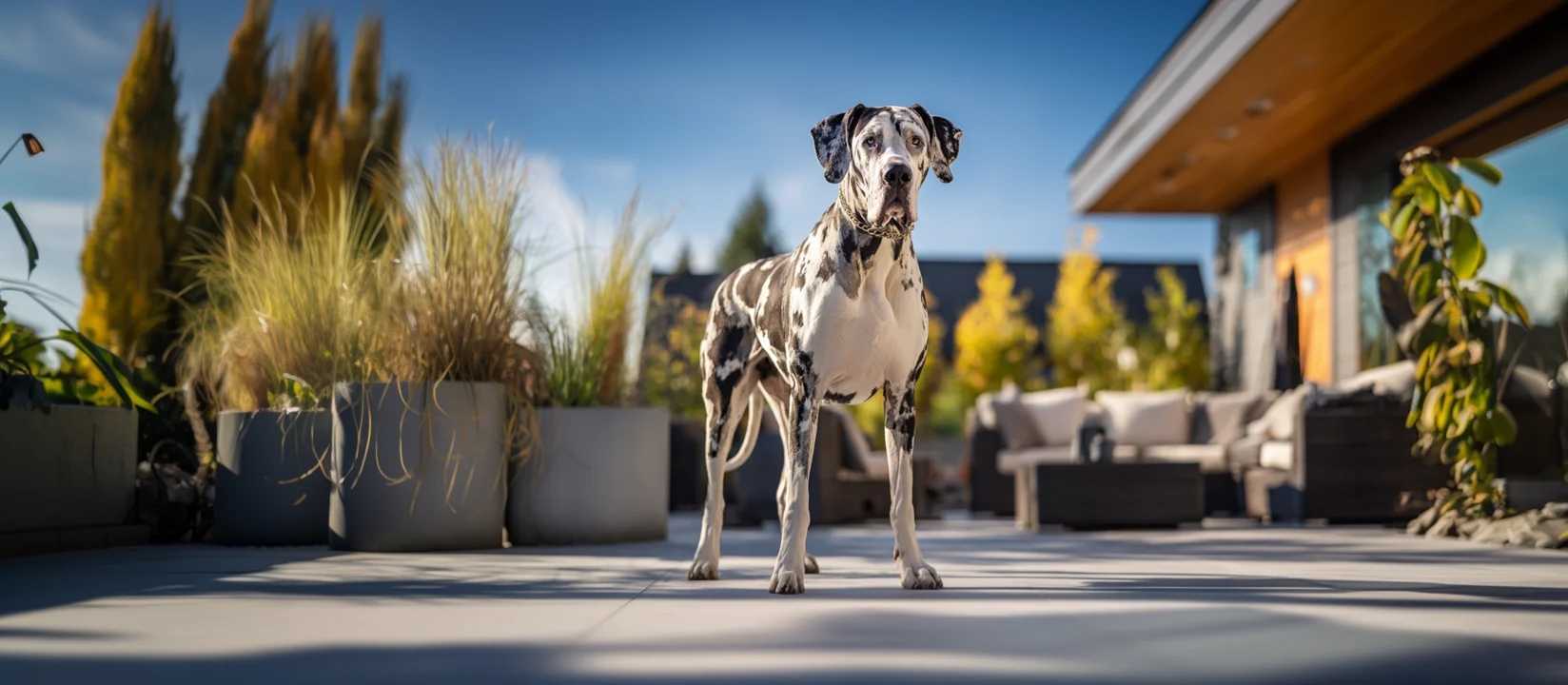
Great Dane
Breed Facts
Height
30-32 inches (male), 28-30 inches (female)
Weight
140-175 pounds (male), 110-140 pounds (female)
Lifespan
7-10 years
Key Traits
Overview
Gentle, majestic giants with an elegant stature and a loving heart. These calm, affectionate dogs blend impressive size with a sweet, easygoing nature—perfect for families and individuals seeking a devoted, laid-back companion who turns heads everywhere they go.
Temperament & Personality
Great Danes are often called "gentle giants." Despite their imposing size, they're known for a calm, friendly disposition. They tend to be gentle, patient companions who are loyal and affectionate with their family. With proper socialization, Great Danes usually do well with children and other pets; they love to cuddle and play in a gentle way. Because they grow so large, even playful antics must be watched so they don't accidentally knock over a small child. Overall, Great Danes are devoted, even-tempered dogs who respond best to positive, reward-based training. They often act as watchdogs (barking to alert owners of visitors) but are not overly territorial. In short, the Great Dane's breed information highlights a laid-back, loving temperament – a majestic companion that thrives on attention and kindness.
Care, Living Environment & Grooming
Great Danes require space and some special considerations. They do best in a home with room to stretch (a fenced yard with a 6-foot barrier is recommended). A soft, supportive bed is important to protect their joints from pressure sores. These dogs are not excessively active indoors, but they do need at least an hour of exercise or play each day to stay healthy. Daily long walks or play sessions are usually sufficient; Great Danes enjoy gentle activity over high-energy workouts. Because of their flat faces, Great Danes can overheat, so avoid strenuous exercise in hot weather. Grooming a Great Dane is straightforward. Their short coat only needs a weekly brushing and occasional bath. Even though they have a short coat, Great Danes shed a moderate amount, and you'll find hair around the house. They drool more than many breeds; routinely wiping their jowls and chin will keep furniture and floors cleaner. Routine care includes weekly teeth brushing, regular ear checks (they often have floppy, un-cropped ears), and monthly nail trims. Overall, Great Danes have low grooming needs compared to their size, but they do require daily care such as wiping drool and checking for skin or joint issues.
Training & Socialization
Training should start early with any Great Dane. These dogs are intelligent and eager to please, so they learn quickly with positive reinforcement (treats, praise, and gentle guidance). Puppy obedience classes are highly recommended: they help your Dane learn basic commands and give valuable socialization experiences. Exposing your Great Dane puppy to a variety of people, animals, and environments within the first first few months helps build confidence and prevents fearfulness. Without this early socialization, a Dane can become shy or anxious in new situations. Great Danes can have a stubborn streak, so consistency and patience are key. Because of their strength and size, leash training and basic manners (like sitting before greetings) are important: always reinforce good behavior. In general, Great Danes respond best to kind, patient training and quick praise for correct behavior.
Health Considerations
- Bloat (Gastric Dilatation-Volvulus): Great Danes are prone to GDV, a life-threatening twisting of the stomach that can occur after eating or drinking. This requires emergency surgery. Feeding small, slow meals and avoiding heavy exercise around mealtime can help.
- Hip Dysplasia: A genetic joint issue common in large breeds; it causes loose hip joints that often lead to arthritis. Dogs should be screened and kept at a healthy weight; severe cases may need surgery.
- Dilated Cardiomyopathy (DCM): Great Danes often have very large hearts, putting them at risk for DCM. This heart disease weakens the heart muscle over time, causing breathing problems, coughing, and fainting. Early signs warrant immediate vet care.
- Wobbler Syndrome: A spine condition more common in giant breeds, where the neck vertebrae compress the spinal cord. It leads to neck pain and a wobbly gait. Feeding a proper puppy diet can help slow its onset.
- Degenerative Myelopathy: A progressive spinal disease affecting older Danes, leading to hind-leg weakness and paralysis. There's no cure, so maintaining a lean body weight and joint supplements may help slow progression.
Cost of Ownership
- Purchase/Adoption: Expect to pay around $1,200–$2,500 for a Great Dane puppy from a reputable breeder. Show-line or rare-color Danes can exceed $3,000. Adoption from a rescue often costs $100–$300 (usually including spay/neuter).
- Food: Great Danes eat a lot. Budget roughly $100–$120 per month for high-quality large-breed dog food.
- Veterinary Care: Routine vet care averages about $25–$75 per month (annual checkups, vaccines, preventatives). However, Danes can need emergency care (e.g. for bloat or joint issues) which is expensive. Pet insurance or savings are advisable.
- Grooming & Supplies: Great Danes have low grooming costs, but initial supplies (crate, large bed, leash, toys) can run $400–$500. Plan $50–$60 per month for extras like grooming tools and occasional professional baths.
Pros and Cons
Pros
- Gentle, affectionate "gentle giant."
- Family-friendly and usually good with children.
- Calm indoor demeanor; relatively quiet for such a big dog.
- Low grooming needs (short coat).
- Protective and loyal, can serve as a loving watchdog.
Cons
- Massive size requires a lot of space (large home and strong fence).
- Short lifespan (~8–10 years on average).
- High ongoing costs (food, healthcare).
- Prone to serious health issues (bloat, hips, heart) requiring costly care.
- Heavy drooling and shedding; frequent cleanup needed.
Fun Facts
- Great Danes were nicknamed the "Ghostbusters of the Middle Ages" for reportedly being set loose to scare off evil spirits. They even inspired the cartoon Scooby-Doo (the famous dog is a Great Dane)!
- They're one of the tallest dog breeds; a standing Dane can be over 32 inches high at the shoulder.
- The Great Dane appears in pop culture: the comic strip Marmaduke and Disney's The Ugly Dachshund feature famous Danes.
- Fun fact: Great Danes are the official state dog of Pennsylvania.
- They were historically used to hunt boars in Germany, which is why they're also called "German Mastiffs."
Frequently Asked Questions
How long do Great Danes typically live?
Great Danes have a relatively short lifespan for dogs, often around 7–10 years. Genetic factors and health issues (like heart problems or bloat) contribute to this lifespan. Good care and diet can help maximize their years.
Are Great Danes good with families and children?
Yes, Great Danes are usually very gentle and affectionate with people, including kids. They often enjoy family life and can be great playmates. However, because of their size, all interactions with small children should be supervised. With proper socialization, they tend to be tolerant and loving.
How much exercise does a Great Dane need?
Great Danes need regular, moderate exercise to stay healthy. Typically, one or two long walks (totaling about an hour) or play sessions per day are enough. They do not require intense activity, but daily exercise helps prevent boredom and keeps their joints strong. Avoid high-impact activities (like jumping) that can strain developing bones.
Do Great Danes drool a lot?
Many Great Danes are big droolers. Their heavy jowls and floppy lips mean they often salivate, especially when excited or eating. First-time owners should be prepared for some drooling and plan for regular cleaning of the dog's chin and areas where they rest.
References
Personality Profile
Find your perfect puppy pair!
Take our quick personality quiz to find the breeds that match your personality.
Start Quiz NowKey Traits
Temperament
affectionate
Reserved
Cuddly
energy Level
Calm Companion
High-Energy Dynamo
Social Behavior
good With Children
Best with Adults/Older Kids
Kid-Friendly
barking Level
Quiet-Natured
Talkative
Care & Maintenance
shedding Level
Light Shedder
Heavy Shedder
exercise Needs
Short Walks Enough
Needs Daily Workouts
Learning & Cognition
trainability
Independent Thinker
Eager Learner
mental Stimulation Needs
Content Relaxer
Needs Challenges
Breed Facts
Height
30-32 inches (male), 28-30 inches (female)
Weight
140-175 pounds (male), 110-140 pounds (female)
Lifespan
7-10 years
Key Traits
You Might Also Like
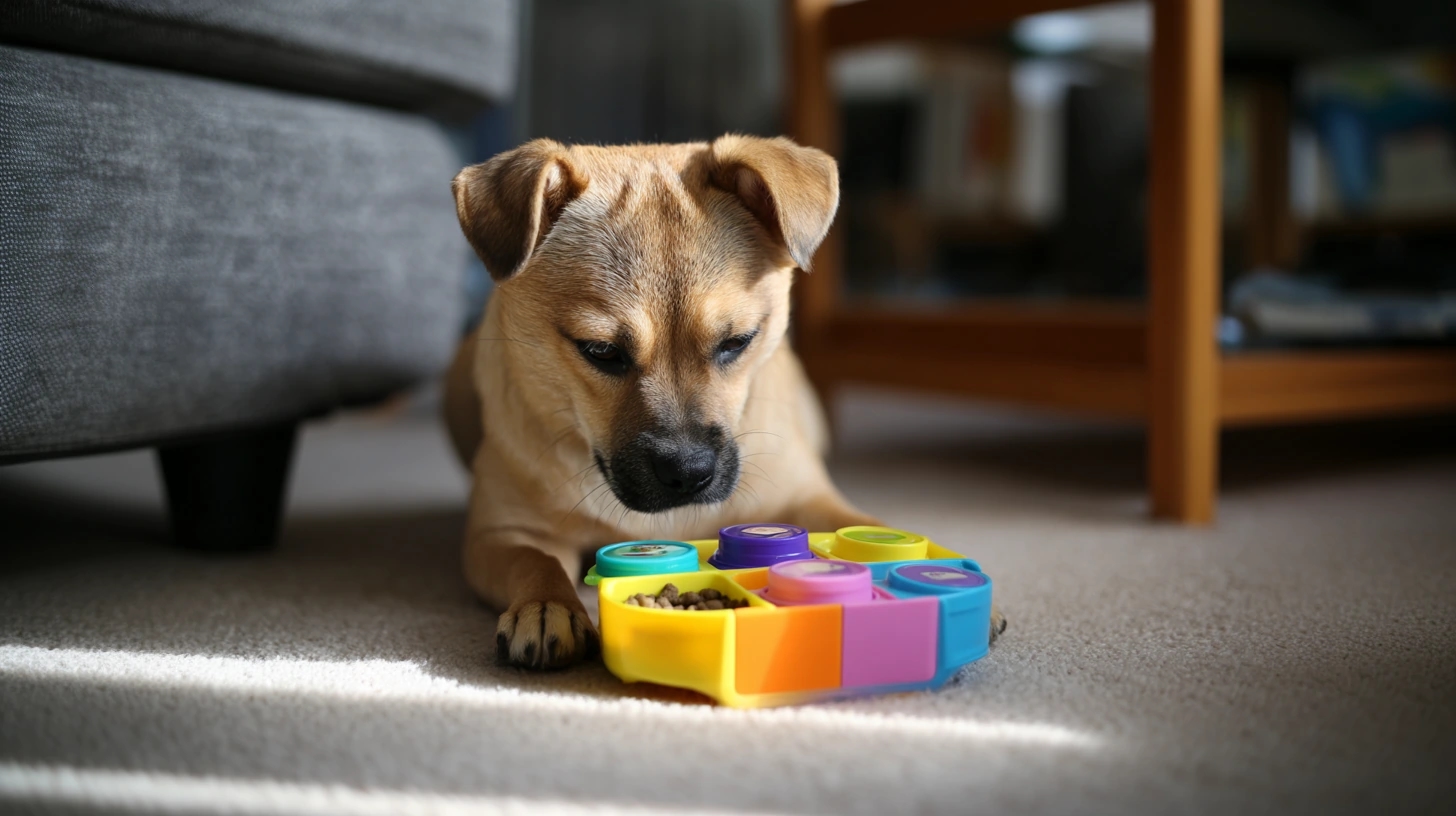
Find Your Perfect Puppy Pair
Take our scientifically-backed personality quiz to discover which dog breeds align with your personality.
Start the Quiz