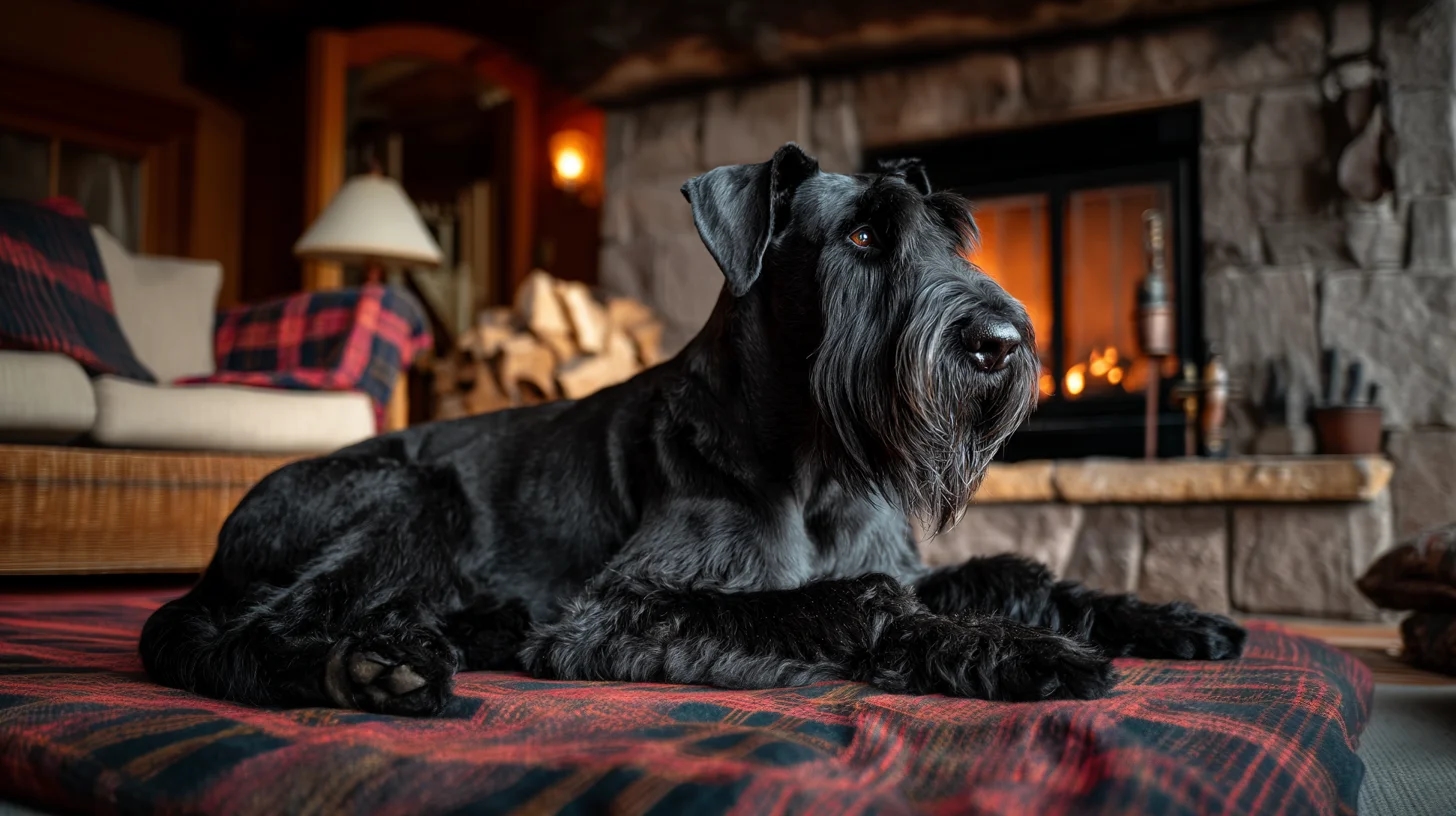
Giant Schnauzer
Breed Facts
Height
25.5-27.5 inches (male), 23.5-25.5 inches (female)
Weight
75-95 pounds (male), 55-80 pounds (female)
Lifespan
10-13 years
Key Traits
Overview
Powerful, intelligent companions with a bold presence and a loyal heart. These energetic, highly trainable dogs blend strong protective instincts with deep devotion—perfect for active, experienced owners seeking a courageous, affectionate friend who excels at both work and close family bonds.
Temperament & Personality
The Giant Schnauzer is a bold, spirited dog brimming with confidence. As an owner, you’ll quickly notice their loyalty and protective nature – this breed loves its family fiercely and will often shadow you from room to room. Giants are typically aloof with strangers at first (they were bred to be guard dogs, after all), but with proper introductions they can warm up over time. Early socialization is key to help your Giant distinguish friend from foe. Around children, a well-trained Giant Schnauzer can be gentle and playful, but remember that they are large and exuberant. They may accidentally knock over small kids in their enthusiasm, so supervision is essential. In fact, Giants sometimes forget their size and might try to play the lapdog!
One hallmark of the Giant Schnauzer’s personality is their high energy and intelligence. This is a dog that needs a job or activity to stay happy. Without enough mental and physical stimulation, Giants get bored – and a bored Giant Schnauzer will find its own fun, which could be anything from chewing your furniture to digging craters in the yard. The breed’s working drive means they thrive when given tasks, whether it’s obedience drills, agility courses, or even just fetching the newspaper. They are also known to be a bit strong-willed or stubborn at times. This isn’t a dog that automatically waits for your direction; they like to think for themselves. That independent streak, paired with their protective instinct, means Giants do best with confident, experienced owners who can establish clear leadership (in a positive way). Overall, if you’re looking for a devoted, alert companion, the Giant Schnauzer fits the bill – provided you can match their vigor and provide structure.
Care, Living Environment & Grooming
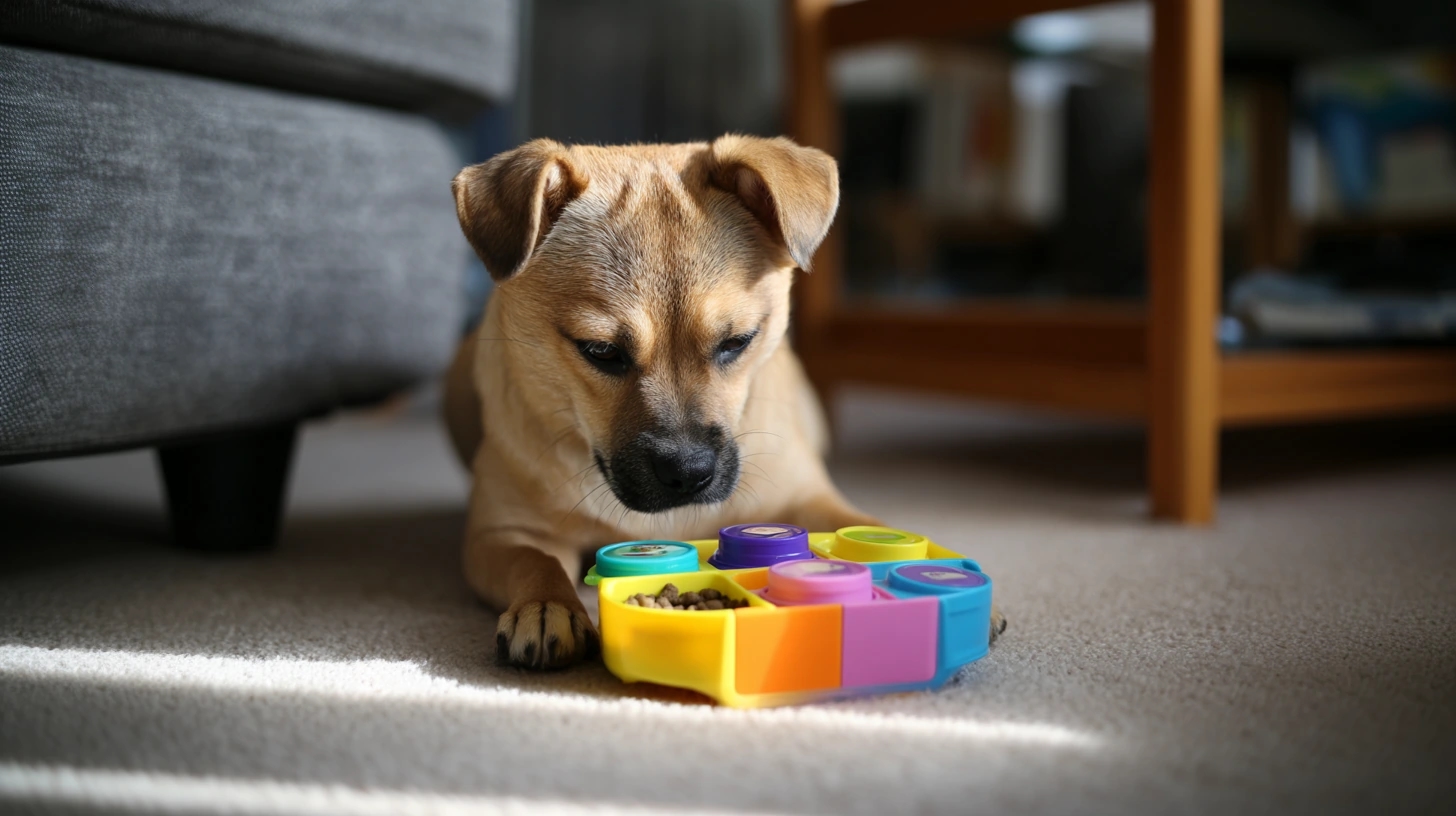
Giant Schnauzers require an active lifestyle and plenty of space to move. They are not the type of dog that will be content snoozing all day in a tiny apartment. Ideally, you have a house with a securely fenced yard where your Giant can run and play safely. (Be aware: a bored Giant Schnauzer may test the fence for escape routes in search of adventure!) If you do live in an apartment or urban setting, you’ll be spending a lot of time outdoors, because this breed needs several hours of activity daily. Giants have the stamina of true working dogs – they won’t tire out with a quick walk around the block. Plan on long brisk walks, jogs, or vigorous play every single day. Many Giant owners take up dog sports like agility, herding trials, or advanced obedience to channel that energy. Mental exercise is just as important: puzzle toys, training games, and trick training will keep their sharp mind occupied. A bored Giant Schnauzer in a confined environment can become noisy and destructive, so ample exercise is truly a must.
In terms of climate, Giants have a hard, weather-resistant coat and can handle cold temperatures reasonably well (they were bred for European climates). Hot and humid weather can be tough on them if they’re exercising, so provide shade and water and avoid intense activity in peak heat. Giants are very people-oriented and do not do well as outdoor-only dogs – they want to be inside with their family when not romping outside.
Grooming a Giant Schnauzer is a bit of an undertaking, and it’s non-negotiable if you want them looking and feeling their best. They have a dense, wiry double coat that doesn’t shed a ton all over your house (a plus for neat-freaks and some allergy sufferers), but that wiry coat keeps growing and needs regular upkeep. Here’s what to expect for grooming:
- Brushing – Brush your Giant Schnauzer at least a couple of times a week. Their coat can mat, especially the soft undercoat. Regular brushing also removes loose hairs since they don’t shed them as freely as short-haired breeds.
- Stripping/Clipping – To maintain the classic Schnauzer look and a healthy coat, Giants require their coat to be hand-stripped or clipped every few months. Hand-stripping (plucking out dead hairs) keeps the coat harsh and water-resistant, whereas clipping is easier but can soften the coat over time. Many pet owners opt to have a professional groomer do this every 8–12 weeks. It’s an added expense, but it will keep your Schnauzer’s coat in shape.
- Face & Hygiene – The Giant’s distinctive beard and eyebrows need attention. You should wash or wipe their beard after meals to keep it clean (leftovers can linger there!). Check those eyebrows too – occasionally food or dirt can get stuck. Trim hair around their eyes if it starts impairing vision. Also trim the hair between their paw pads to prevent matting and pick up less mud.
- Nails & Ears – Active Giants often wear their nails down, but check monthly and trim as needed. Their ears should be checked weekly and kept clean and dry. Schnauzers can be prone to wax buildup or ear infections, so a quick wipe with a vet-recommended ear cleaner helps. If the ears are cropped (in some dogs), pay attention to any irritation around the edges.
One of the nice things: Giant Schnauzers don’t have a strong “doggy odor” when kept groomed. Many owners find they can go longer between baths unless the dog rolls in something nasty. When you do bathe your Giant, be sure to comb them out first (wetting mats can make them tighter). After a bath, they might look like a fluffy bear until the coat texture hardens again.
Feeding your Giant Schnauzer will be a significant daily task as well. They are high-energy and muscular, so they’ll eat a substantial amount. Split their food into two meals to prevent gulping (and to reduce bloat risk). A quality diet formulated for large, active breeds is recommended. Monitor their weight; with all that exercise, obesity isn’t usually an issue for Giants, but under-feeding can leave them too thin. Adjust portions if your dog starts looking overweight or overly ribby.
Lastly, provide your Giant Schnauzer with a comfortable indoor space – they should sleep inside, near their people. A crate can be a useful training tool and “den” for a Giant, especially when you need to manage their indoor activity level. Just make sure it’s one of the jumbo-sized crates – these dogs are tall and need room to stand and turn around. With proper care and environment, a Giant Schnauzer will flourish, and you’ll be rewarded with a tireless, loving companion by your side.
Training & Socialization
Training a Giant Schnauzer is absolutely essential – this is not a breed you can skip obedience with. Intelligent and headstrong, Giants will test boundaries if not given clear, consistent rules. The key is to start training and socialization early, from puppyhood. Enroll in puppy kindergarten and basic obedience classes as soon as they’re old enough. This will not only teach your Giant Schnauzer good manners, but also reinforce that you are in charge (in a positive way!). Giants actually love having a job to do and thrive on structured training exercises – it gives their busy mind something to focus on. Use positive reinforcement methods like treats, toys, and enthusiastic praise. Harsh or forceful training will likely backfire because these dogs are proud and don’t take well to intimidation. Instead, be firm and patient. Consistency is crucial: if you don’t want your Giant on the couch or jumping on people, enforce that from day one, because a confused Giant Schnauzer will decide to make their own rules.
One training tip: channel their energy into productive outlets. Teach advanced obedience commands, play tracking games, or even try agility or Schutzhund-style training if you’re inclined – these dogs are capable of learning so much. Keep sessions interesting and challenging to prevent them from getting bored. Giants can be opinionated, so if they think an exercise is boring or repetitive, they might protest or get distracted. Mix it up and end on a high note when they succeed.
Equally important is socialization. Giant Schnauzers have natural guarding instincts and can be wary or even aggressive toward unfamiliar dogs and people if not properly socialized. Introduce your Giant to a wide variety of people (of different ages, appearances, etc.) and friendly dogs in controlled settings from a young age. This will help them learn to remain calm and confident when encountering new friends. Puppy classes and supervised playdates are great for this breed. You want to curb any tendency for dog aggression – Giants are known to sometimes be dominant or aggressive with other dogs and small animals, especially of the same sex. Early socialization and neutering can help, but some Giants are best as the only pet in the household. Always supervise interactions with smaller animals; while not high-prey-drive like some breeds, a Giant could see a cat or rabbit as something to chase if not taught otherwise.
Another aspect of training is boundary setting. Giants are big and smart enough to get into trouble if you’re not vigilant. Teach solid recall (coming when called) and impulse control (like “leave it” or waiting at doors). Given their size and strength, you’ll be grateful you invested in training when your adult Giant Schnauzer walks politely on leash and follows your lead. Many Giant owners continue into advanced obedience or working trials – it’s a great way to keep building your bond and keep that sharp mind engaged.
In summary, a well-trained, well-socialized Giant Schnauzer can be a polite, impressive dog that is both a loving family guardian and a joy to live with. But reaching that point takes dedication. If you’re a first-time owner, consider working with a professional trainer familiar with giant working breeds. With the right guidance, your Giant Schnauzer will learn to channel their natural drive into being your obedient (if sometimes cheeky) best friend.
Health Considerations
Giant Schnauzers are a robust breed, and with good care they often enjoy a lifespan around 12 years or more. In fact, it’s not uncommon for Giants to reach their early teens (which is relatively long-lived for a large dog). That said, they do have some genetic health issues to be mindful of. Responsible breeders will screen for health issues such as hip dysplasia, eye disease, and autoimmune thyroiditis before breeding. As an owner, you should keep up with regular vet checkups and preventative care – catching problems early can make a big difference. Here are some health considerations and common conditions in Giant Schnauzers:
- Hip and Elbow Dysplasia – Like many larger breeds, Giants can suffer from dysplasia, where the hip or elbow joints form improperly and lead to arthritis. Even well-bred pups can develop joint issues as they age or if over-exercised while young. Watch for signs of stiffness or limping, especially as your Giant reaches middle age. Maintaining a healthy weight and giving joint supplements (if your vet recommends) can help. OFA or PennHIP evaluations are often done when dogs are young to screen for dysplasia.
- Bloat (Gastric Dilatation-Volvulus) – Giant Schnauzers have deep chests, which puts them at risk for bloat. This is the same life-threatening condition described for Saint Bernards, where the stomach can twist after filling with gas. Preventative steps include feeding two smaller meals instead of one big meal, using a slow-feed bowl if your dog gulps food, and avoiding heavy exercise right around meal times. Some owners of deep-chested breeds opt for a prophylactic gastropexy surgery (tacking the stomach in place) when the dog is young to virtually eliminate the risk of GDV. It’s worth discussing with your vet.
- Eye Conditions – Giants can inherit various eye issues. Glaucoma (increased eye pressure) is one serious condition reported in the breed. Progressive Retinal Atrophy (PRA), which causes gradual blindness, has also been seen. Yearly eye exams by a veterinary ophthalmologist can catch problems early. If you ever notice redness, cloudiness, or your Giant pawing at an eye, get it checked. Cataracts might appear in older Giants, but these can sometimes be managed or surgically removed. Breeders often do CERF eye tests on parents to reduce inherited eye disease.
- Hypothyroidism – An underactive thyroid (often due to autoimmune thyroiditis) is relatively common in Giant Schnauzers. If your dog becomes lethargic, gains weight unexpectedly, or has skin/coat issues, hypothyroidism could be a culprit. It’s easy to diagnose with a blood test and is typically managed with daily thyroid medication for life. Not a severe problem when treated – you’ll just be giving your pup a pill every day and they’ll be back to their peppy self.
- Cancers – Unfortunately, Giant Schnauzers can be prone to certain cancers as they age. One unique issue in this breed is a type of skin cancer in the nail bed – Squamous Cell Carcinoma has been known to appear in some Giants’ toes. If you ever notice a toe that’s swollen or a nail that’s abnormal and painful, have your vet examine it; sometimes the only cure is to remove the affected toe (dogs generally do fine after). Giants can also get more general cancers like lymphosarcoma or mast cell tumors. Regular grooming is actually helpful here – as you handle your dog, you can feel for any unusual lumps or bumps to catch them early.
- Orthopedic Injuries – Because Giants are so active, injuries like cruciate ligament tears in the knee can occur. This isn’t a genetic disease per se, but a risk with any athletic, large dog. Keeping your Giant Schnauzer at a fit weight and not letting them overdo jumping or abrupt twisting motions (for example, intense Frisbee sessions) can reduce the risk of a torn ligament. If they suddenly come up lame on a hind leg, see the vet – surgery is often needed to repair a cruciate tear. Likewise, take care to prevent accidents; their exuberance might lead to sprains or strains if they crash into something at full sprint.
Overall, the Giant Schnauzer is considered a healthy breed for its size. Many of the issues above are preventable or manageable with routine veterinary care. It’s a good idea to budget a bit extra for vet costs or pet insurance, though, given that any large dog can run into expensive medical treatments. By feeding a balanced diet, keeping your Giant well-exercised (but not overworked while their joints are developing), and getting regular vet checkups, you’ll help ensure your Giant Schnauzer stays in top form. With luck and good care, you’ll have a healthy, hardy companion for many years.
Cost of Ownership
Giant Schnauzers are big dogs with equally big needs, so owning one will impact your wallet. On average, expect to spend around $2,000 per year for a Giant Schnauzer, though costs can vary by region and your dog’s specific needs. Let’s break down the typical expenses:
- Food: This active breed eats a substantial amount. A high-quality dry dog food (plus some healthy treats) will likely cost $50–$70 per month for an adult Giant. That’s roughly $600–$800 a year on food. If you feed premium or special diets, the cost could be higher. Don’t forget, growing puppies eat a lot too!
- Routine Vet Care: Annual check-ups, vaccines, heartworm testing, and monthly preventatives (heartworm, flea, tick) can add up. Budget about $300–$500 per year for basic veterinary care. If you opt for pet insurance (often $40–$60 a month for a large breed), that’s another $500–$700 yearly – it can help cover any big unexpected health issues.
- Grooming: Giant Schnauzers require regular grooming, and this is a notable expense. Professional grooming sessions every 2–3 months can run $80 or more each, so you might spend around $400–$600 a year if you go that route. You can save by learning to do some grooming yourself (brushing, minor trims), but many owners still see a groomer a few times a year for the heavy-duty coat stripping or clipping. Also factor in home grooming supplies: quality brushes, combs, nail clippers or grinder, dog shampoo, etc.
- Training & Activity: Especially in the first couple of years, training classes are highly recommended for Giants. Group obedience classes can be $150 or more for a multi-week course. You might do a couple of those, plus possibly advanced classes or dog sport clubs. While not “mandatory” costs, investing in training early on can save you from behavior problems later. Also, active owners often spend on things like agility equipment, herding lessons, or just extra toys and puzzles to keep the dog busy (maybe $100+ annually in toys).
- Miscellaneous: Don’t overlook the one-time or occasional costs. A Giant Schnauzer will need strong, large-sized gear: a robust leash and collar, a harness for walks, a big dog bed (or two), and perhaps a crate (the jumbo crate itself can cost $100–$200). These are mostly upfront costs in the first year. Be prepared for higher costs if your Giant is destructive as a puppy – you might replace a few chewed items. Also, Giants are powerful chewers, so heavy-duty chew toys (which tend to cost more) are a wise investment to keep them occupied.
The first year of ownership is usually the most expensive. Aside from purchase price or adoption fees, Giant puppies rack up vet bills for spay/neuter and all their initial vaccinations. You’ll also likely spend more on training early on. It’s not unusual for first-year costs to exceed $3,000 once everything is tallied. After that, the annual budget of around $2,000 is a good ballpark, though always have a cushion for emergencies. A major surgery (like a knee repair or bloat surgery) can cost a few thousand dollars in one go. Many Giant owners choose pet insurance or set aside a savings fund for peace of mind.
In return for these expenses, you get a courageous, loving companion and (bonus!) something of a home security system – no one’s sneaking past a Giant Schnauzer! If you plan and budget accordingly, you’ll find the reward of owning this breed far outweighs the costs.
Pros and Cons
Pros
- Loyal and protective: Forms a deep bond with family and will guard home and loved ones
- Highly intelligent and trainable: Capable of learning advanced commands and participating in dog sports
- Athletic and fun-loving: A great partner for active owners (hiking, jogging, etc.) who want an energetic dog
- Low shedding coat: Does not shed as much as many large breeds, and often considered hypoallergenic
- Versatile working abilities: Excels in roles like obedience, tracking, and has even served as police/military dogs
Cons
- Requires extensive exercise: Needs hours of activity and mental stimulation daily – not suited to sedentary lifestyles
- Strong-willed and demanding: Not ideal for inexperienced owners; needs firm, consistent training and leadership
- High grooming needs: Regular brushing and periodic professional grooming are necessary to maintain the coat
- Not always animal-friendly: Can be aggressive toward other dogs or small pets without careful socialization
- Aloof and territorial: Naturally suspicious of strangers, which is great for security but means you must socialize them well
Fun Facts
- The Giant Schnauzer originated in the Bavarian Alps of Germany. They were developed in the 17th century to drive cattle and guard breweries and butcher shops. In fact, the breed was once known as the “Munich Schnauzer” due to its popularity in the city of Munich as a guard dog. Later on, Giant Schnauzers went on to serve as police and military dogs – they even worked as messengers and guard dogs in both World War I and World War II.
- The Schnauzer actually comes in three distinct breeds: Miniature, Standard, and Giant. Though they share a similar look (that iconic beard and eyebrows) and all originated in Germany, each size was developed for different purposes and is recognized as a separate breed. So, a Giant Schnauzer isn’t just a big version of a Mini Schnauzer – they’re more like cousins.
- The name “Schnauzer” is derived from the German word Schnauze, which means “snout” or “muzzle.” Fittingly, Schnauzers are known for their bearded muzzles. In 1879, a show dog named Schnauzer (not surprisingly, for his prominent whiskered snout) helped popularize the Standard Schnauzer breed, and the name eventually carried over to all the breeds in the Schnauzer family.
Frequently Asked Questions
Do Giant Schnauzers shed a lot?
No, Giant Schnauzers are not heavy shedders – one nice perk of the breed. They have a wiry coat that sheds much less than the double coats of breeds like German Shepherds or Saint Bernards. You won’t find piles of hair on your couch daily. However, “low-shedding” doesn’t mean “no maintenance”! Giants require regular brushing to remove dead hair and prevent mats. If you keep up with grooming, you’ll only see minimal shedding. Some people even consider Giant Schnauzers to be more hypoallergenic than other big dogs (since they release fewer airborne fur allergens), though individual allergies vary. Just remember that the trade-off for little shedding is that you’ll need to either hand-strip or clip their coat periodically, because those old hairs don’t fall out on their own.
Are Giant Schnauzers good apartment dogs?
Generally no, Giant Schnauzers are not well-suited to small apartment life. This breed is large, loud, and extremely high-energy. In a confined space, a bored Giant Schnauzer will likely become restless and may resort to nuisance behaviors like pacing, barking, or chewing things up. They really thrive in a home where they have room to move and perhaps a yard to romp in. An apartment also offers more opportunities to encounter strangers in hallways or elevators, which could be stressful given the Giant’s protective instincts. That said, if you live in an apartment and are absolutely dedicated to exercising your dog vigorously multiple times a day (and perhaps you work from home to keep them company), it’s not impossible. Some owners in cities do manage with Giants – they substitute a dog park for a backyard and go on long runs daily. But it’s a lot of work, and neighbors might not appreciate a bored Giant Schnauzer’s vocal commentary. In short: a house with a yard is preferable for this breed, but a very committed apartment-dweller could make it work with effort.
How much exercise does a Giant Schnauzer need?
A lot! Giant Schnauzers are one of the more energetic breeds out there. As a rule of thumb, expect to provide at least 1–2 hours of vigorous exercise every day – and many Giants will happily take even more. This could include brisk long walks, jogging, hiking, active games of fetch, or off-leash running in a safe area. In addition to physical exercise, plan on activities that engage their mind (like obedience training sessions or puzzle toys), because mental fatigue can tire a dog out as much as physical play. A quick stroll around the block simply won’t cut it for a Giant Schnauzer. Without ample exercise, they’ll become bored and potentially destructive. If you’re a runner or very active outdoors, a Giant can make an excellent exercise partner. On days when weather limits your outside time, be ready with indoor games, training drills, or even a dog treadmill to burn off that energy. A well-exercised Giant Schnauzer is a content Giant Schnauzer – they’ll be much more relaxed in the house after they’ve had their workouts.
Can first-time owners handle a Giant Schnauzer?
The Giant Schnauzer is generally not recommended for first-time dog owners. This breed is powerful, willful, and demands a lot of time and know-how to raise into a well-behaved adult. A novice owner might find the Giant’s intensity and need for structure overwhelming. Giants are known to “test” their owners – they need someone who can establish firm, consistent rules without being intimidated. They also require sophisticated training and extensive socialization to prevent problem behaviors (like aggression or dominance). An inexperienced owner could unintentionally reinforce the wrong behaviors or fail to socialize the dog adequately, leading to issues that are hard to manage in an ~80-pound muscular dog.
That said, nothing is impossible. There are first-time owners who successfully raise Giant Schnauzers – but typically those people either did extensive research and preparation, or they work closely with professional trainers. If you are a first-timer set on a Giant, be prepared to basically make dog training a serious hobby. You’ll want to start obedience classes early and perhaps even hire a private trainer to guide you. Additionally, you must have the time for the exercise this breed needs. If you’re an active person with a flexible schedule, that helps. So yes, a determined first-time owner can handle a Giant Schnauzer, but it’s a bit like a beginner driver choosing to handle a high-performance race car – you’ll have to be extra cautious and committed to learning on the go. For most people new to dogs, a more easygoing breed might be a better choice to start with. If you do dive in with a Giant, leverage all the resources you can (trainers, breed clubs, experienced owners) to set yourself and your dog up for success.
References
Personality Profile
Find your perfect puppy pair!
Take our quick personality quiz to find the breeds that match your personality.
Start Quiz NowKey Traits
Temperament
affectionate
Reserved
Cuddly
energy Level
Calm Companion
High-Energy Dynamo
Social Behavior
good With Children
Best with Adults/Older Kids
Kid-Friendly
barking Level
Quiet-Natured
Talkative
Care & Maintenance
shedding Level
Light Shedder
Heavy Shedder
exercise Needs
Short Walks Enough
Needs Daily Workouts
Learning & Cognition
trainability
Independent Thinker
Eager Learner
mental Stimulation Needs
Content Relaxer
Needs Challenges
Breed Facts
Height
25.5-27.5 inches (male), 23.5-25.5 inches (female)
Weight
75-95 pounds (male), 55-80 pounds (female)
Lifespan
10-13 years
Key Traits
You Might Also Like
Find Your Perfect Puppy Pair
Take our scientifically-backed personality quiz to discover which dog breeds align with your personality.
Start the Quiz