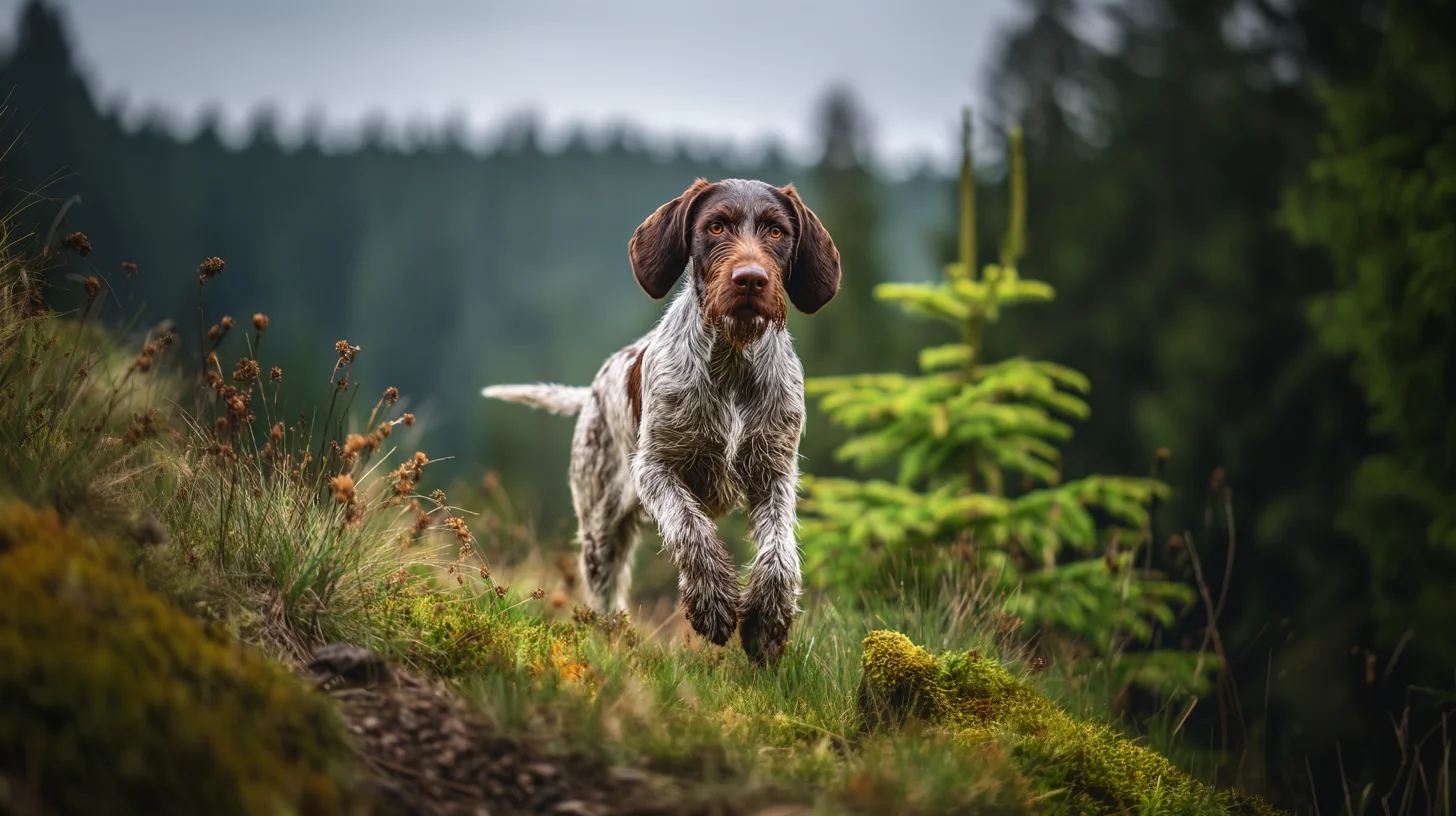
German Wirehaired Pointer
Breed Facts
Height
24-26 inches (male), minimum 22 inches (female)
Weight
50-70 pounds
Lifespan
14-16 years
Key Traits
Overview
Versatile, energetic hunters with rugged coats and an eager, intelligent spirit. These enthusiastic, loyal dogs blend tireless drive with affectionate devotion—perfect for active families and outdoors enthusiasts seeking a determined, trainable companion who thrives on adventure and close bonds.
Temperament & Personality
With a sporty, weatherproof coat and a confident, can-do attitude, the German Wirehaired Pointer (GWP) is a versatile gundog who absolutely thrives on outdoor activity. You’ll find your GWP is high-energy, adventurous, and always ready for a task – whether it’s joining you on a long hike or enthusiastically fetching the morning paper. This breed forms a close bond with family and is eager to please their people, often acting as an affectionate (and sometimes downright amusing) companion at home.
Despite their rugged hunt-ready demeanor, GWPs have a loving, loyal streak. They tend to bond strongly, sometimes preferring one primary owner, and will follow you from room to room seeking companionship. They generally do well with children who are calm and have been taught how to interact respectfully with dogs, though supervision is always important. Because of their hunting heritage, however, small pets may trigger their prey drive – many GWPs cannot resist chasing cats or other little critters. With strangers, they might be a bit aloof or watchful at first, making them decent watchdogs without being aggressive by nature.
One quirk to note is that German Wirehaired Pointers often hate being left out of the action. They were bred to work closely with human hunting partners, so they can develop separation anxiety if left alone for long periods. A bored or isolated GWP will find their own entertainment – which might involve barking or digging holes in your yard. In short, this breed thrives in active households where they get plenty of attention and outdoor adventures. If you’re an avid outdoorsy person, your GWP’s zest for life and devoted personality will be a perfect fit. But if you prefer a low-key indoor lifestyle, this breed’s intensity and need for engagement could be overwhelming.
Care, Living Environment, & Grooming
Caring for a German Wirehaired Pointer means embracing an active routine. Daily exercise is an absolute must – plan on at least an hour (often more) of vigorous activity every day. These dogs have near-endless stamina and love to run, hunt, swim, and explore. Long walks, jogs, hiking trails, or games of fetch in a safely fenced area will keep your GWP happy. Without sufficient exercise and mental stimulation, they can become restless and mischievous. If you don’t truly enjoy the outdoors, a GWP is probably not the breed for you.
In terms of living space, German Wirehairs do best with room to roam. A house with a large yard or access to open spaces is ideal. They can tolerate a range of climates – their wiry double coat is weather-resistant and water-repellent, protecting them in cold or rough conditions. (In fact, like all German pointers, they even have webbed feet for strong swimming.) Hot weather exercise should be managed carefully, with plenty of breaks and water, but generally this breed isn’t as heat-sensitive as a flat-nosed dog. Apartment living is challenging for a GWP due to their size and energy, but it’s not impossible if you dedicate several hours a day to exercise. Just be mindful that a bored GWP in a small space will find trouble! This breed wants to be wherever you are – they should live indoors as a member of the family, not kept kenneled outside alone.
Grooming a German Wirehaired Pointer is relatively straightforward, but their unique coat does need some special attention. The coarse, wiry outer coat sheds only moderately, especially if dead hairs are removed regularly. Plan on a good brushing at least once a week to strip out loose fur and prevent matting. Beyond brushing, the breed’s coat needs hand-stripping (plucking out dead hairs) about twice a year to maintain its texture. If you skip the stripping, the coat will soften and shed more heavily, losing that characteristic “wirehair” feel. Baths are only required occasionally – these dogs don’t have a strong doggy odor, and over-bathing can strip the coat’s natural oils. When you do bathe your GWP, use a shampoo formulated for wiry coats to keep the fur resilient.
Don’t forget routine hygiene: their ears should be checked and cleaned about once a month to prevent wax buildup or infections, and nails trimmed regularly (typically every 3-4 weeks). Also stay vigilant about ticks and burrs after outdoor outings – that adventurous GWP lifestyle means they often pick up hitchhikers in their coat. A quick once-over after a romp in the woods will keep your pup clean and comfortable.
- Weekly: Brush the wiry coat to remove loose hair and debris; check for ticks after outdoor adventures.
- Monthly: Clean your dog’s ears and trim their nails to keep them healthy and comfortable.
- Semiannual: Hand-strip the coat (or have a groomer do it) in spring and fall to remove dead undercoat and maintain the correct coat texture.
Overall, the German Wirehaired Pointer’s care is easiest for an owner who embraces an active, outdoors lifestyle. Keep them busy, include them in family activities, and tend to a bit of coat maintenance, and you’ll have a happy, thriving companion.
Training & Socialization
Training a German Wirehaired Pointer is most successful when you harness their natural enthusiasm and intelligence. These dogs are smart and learn quickly, but they also have an independent streak honed by generations of working in the field. In other words, your GWP isn’t a robot – they’ll think for themselves if you’re too lenient. The key is to start early, consistent training from puppyhood, using patience and positive reinforcement methods. Harsh discipline or repetitive drills will backfire on this sensitive yet headstrong breed. Instead, turn training into a game and give plenty of praise or treats when your GWP gets it right. They respond well to a firm, upbeat approach that makes learning fun.
Socialization is equally important. Expose your Wirehaired Pointer pup to lots of different people, dogs, and environments in their first year. This helps channel their natural alertness into confidence rather than wariness. Well-socialized GWPs can be friendly, but without exposure they might become standoffish with strangers or overly fixated on other animals. Because of their high prey drive, you’ll want to carefully socialize them around cats or other small pets – though even with training, not every GWP can resist chasing a running rabbit or squirrel. Use controlled settings (on-leash introductions, supervised interactions) to teach them calm behavior around other creatures.
When it comes to obedience, give this breed a job. Boredom is the enemy of good behavior. Fortunately, GWPs excel at canine activities: they shine in field trials, agility, tracking, nose work, and advanced obedience. Many owners find that enrolling in hunting training or dog sports channels their dog’s energy into something productive. A German Wirehair with a purpose is much easier to live with than one left to invent his own fun. Crate training from an early age is recommended as well – not only to aid house-training, but to give your dog a safe space and help prevent separation anxiety when you have to be out. Overall, with ample positive training and broad socialization, your German Wirehaired Pointer can mature into a well-mannered, even if occasionally strong-willed, companion.
Health Considerations
German Wirehaired Pointers are generally hardy, healthy dogs, especially given their medium-large size. In fact, their life expectancy around 14–16 years is a bit longer than many breeds of similar stature. Of course, like all purebreds, GWPs are predisposed to certain hereditary health issues. Responsible breeders screen for these problems, but as an owner you should be aware of the signs and keep up with regular veterinary checkups. Common health concerns in the breed include:
- Von Willebrand’s Disease: An inherited blood-clotting disorder that prevents normal clotting and can lead to excessive bleeding from even minor wounds. German Wirehairs have a known tendency toward this condition, so ask your vet about screening tests if your dog ever needs surgery. While there’s no cure, dogs with von Willebrand’s can be managed to live full lives – you’ll just need to be cautious to prevent injuries and monitor any unexplained bruising or bleeding.
- Hip & Elbow Dysplasia: Like many active medium-large breeds, GWPs can suffer from dysplasia – improper development of the hip or elbow joints. Over time this leads to joint looseness, pain, and arthritis. You might notice lameness or stiffness in your GWP’s gait as they age. Keeping your dog at a healthy weight and on joint supplements can help, but severe cases may require surgical intervention. Reputable breeders will have their dogs’ hips and elbows evaluated (via OFA or PennHIP) to reduce the risk of passing this on.
- Hypothyroidism: An underactive thyroid gland is another issue seen in the breed. Low thyroid function can cause symptoms like lethargy, weight gain, hair loss, and skin infections. It’s typically diagnosed with a blood test and treated with a daily thyroid hormone supplement. With medication, an affected GWP can live a normal, active life.
- Gastric Dilatation-Volvulus (Bloat): Deep-chested breeds like pointers have a risk of bloat – a life-threatening condition where the stomach twists and traps gas. Bloat strikes suddenly and requires emergency care. To reduce the risk, feed your dog two smaller meals a day rather than one large meal, and avoid vigorous exercise right before or after eating. It’s also wise to learn bloat’s warning signs (unproductive retching, swollen abdomen, restlessness) so you can act fast. Discuss preventive steps or emergency plans with your veterinarian, as untreated bloat can be fatal in a matter of hours.
Staying proactive about your GWP’s health will go a long way. Regular vet exams (including eye and blood tests for older dogs) can catch issues early. Also, because this breed is so high-energy, be mindful of acute injuries like sprains or cuts from outdoor adventures. Overall, a well-bred German Wirehaired Pointer with good care can remain active well into their teen years – it’s not uncommon for them to still join you in the field at 12+ years old.
Cost of Ownership
Bringing home a German Wirehaired Pointer comes with a moderate-to-high financial commitment. On average, expect to spend around $2,000 per year to care for this breed. The bulk of that cost is split between quality food to fuel their active lifestyle, and routine veterinary care. A large, athletic dog like a GWP eats a substantial amount – budget roughly $500-$600 yearly for food and treats, depending on the brand and your dog’s caloric needs. Veterinary expenses (annual wellness exam, vaccinations, flea/heartworm prevention) might run another $300-$500 per year in a healthy adult, not counting any illnesses or injuries.
Many German Wirehair owners also invest in pet health insurance (approximately $300-$600 per year) to help cover any unexpected medical issues. This breed’s adventurous nature can lead to the occasional injury (e.g. a cut paw or pulled muscle), and insurance provides peace of mind in case of something major. Grooming costs for a GWP are relatively low. If you learn to hand-strip and groom at home, you’ll just pay for basic supplies. If you opt to use a professional groomer for the semiannual coat strip and the occasional bath, it may cost around $150-$300 per year. Don’t forget miscellaneous needs: hearty chew toys (they’re tough on toys!), a comfortable dog bed, leashes, and training class fees especially in the first year. Those might add another few hundred dollars up front, though not recurring annually.
One area to plan for is high first-year costs. A GWP puppy will need spay/neuter surgery, initial vaccines, multiple vet visits, and starter gear – easily doubling that year’s expenses to $3,000 or more. After that, a steady ~$2k per year is a reasonable estimate for this breed’s upkeep in the U.S. Of course, costs can vary by region and individual dog. Setting aside a little extra for an emergency fund is always wise, especially for a large active breed. In return, you’ll have a devoted partner for all of life’s adventures – and that is priceless.
Pros and Cons
Pros
- Extremely loyal and affectionate with their family; form strong bonds
- High-energy and athletic, perfect for very active owners or hunters
- Versatile working dog – excels at hunting, sports, and any “job” you give them
- Generally healthy and hardy for a purebred; longer lifespan than many similar breeds
Cons
- Requires intense daily exercise and mental stimulation (not a casual couch pet)
- Not well-suited to apartment life or sedentary owners
- Strong prey drive – not reliable with cats or small pets; must be leashed or fenced outside
- Can be independent and strong-willed in training, requiring patience and consistency
- Prone to separation anxiety if left alone too long, which may lead to barking or destructive behaviors
Fun Facts
- Made in Germany: The German Wirehaired Pointer (or Deutsch Drahthaar) was developed in the late 19th century by breeding together several hunting breeds – including the German Shorthaired Pointer, Griffon, and Pudelpointer – to create a do-it-all gundog. The result was a dog that could point and retrieve on land or water, in any weather or terrain.
- Built for the Outdoors: This breed’s distinctive wiry coat isn’t just for looks – it’s essentially a suit of armor. The dense, weather-resistant fur repels water and shields them from thorns and briars in the field. Like their pointer cousins, GWPs even have webbed feet to power through water and marshes!
- Clownish Characters: Owners often describe German Wirehairs as having a great sense of humor. Once their exercise needs are met, these dogs love to frolic and play the goofball at home. Don’t be surprised to find yours inventing silly games, carrying your slippers around, or zooming about the house to make you laugh.
Frequently Asked Questions
Do German Wirehaired Pointers shed a lot?
German Wirehaired Pointers are moderate shedders. Their wiry coat drops some hair year-round but not in excessive amounts. You’ll notice a bit more shed fur during seasonal coat changes (typically in spring). Regular weekly brushing and periodic hand-stripping of the coat will significantly reduce how much hair ends up around your home. Compared to heavy-shedding breeds, a well-groomed GWP leaves relatively little hair behind.
Are German Wirehaired Pointers good apartment dogs?
Generally, this breed is not ideal for apartment living. German Wirehaired Pointers are large (50–70 lbs) and extremely active, requiring lots of outdoor exercise. In a small apartment, they can become restless or destructive if their energy isn’t drained daily. That said, if you are a very dedicated owner who jogs or hikes with your dog multiple times a day, it’s possible – but you’ll be essentially living an outdoor lifestyle despite residing in an apartment. Also keep in mind they may bark if they get bored in confined spaces. Overall, a home with a yard or easy access to open areas is a much better fit for a GWP.
How much exercise does a German Wirehaired Pointer need?
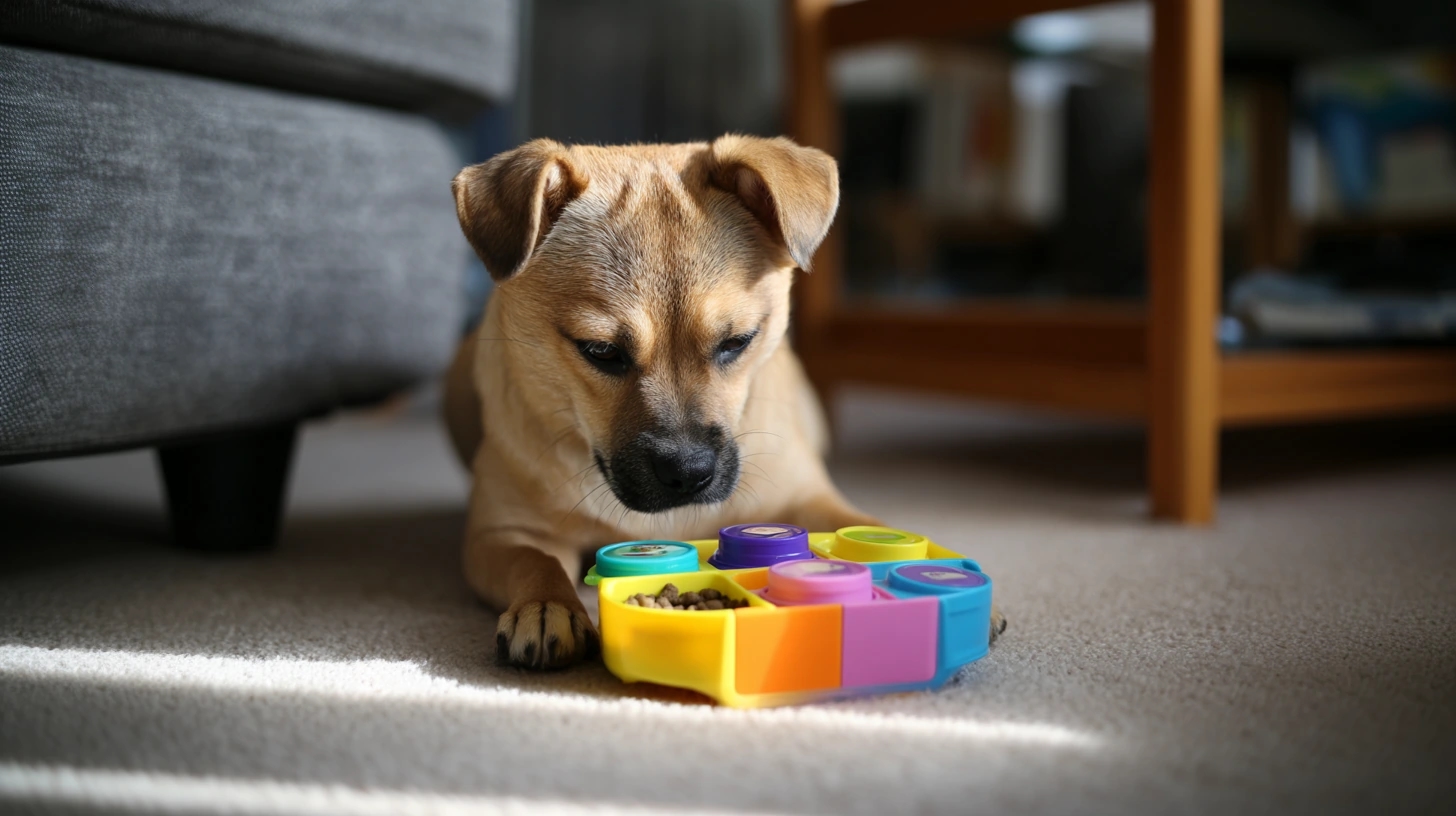
A lot! This breed was bred for endurance in the hunting field, so they need ample exercise to stay happy and balanced. Plan on at least 1-2 hours of vigorous activity every day. That can include brisk walks, running, fetching, swimming, or participating in dog sports – the more variety the better. German Wirehairs also thrive when they have a “job,” so training sessions or puzzle toys provide mental exercise too. If their exercise needs are met, they can relax calmly with the family afterward. But a GWP that only gets a short walk will quickly become hyperactive or develop problem behaviors.
Can first-time owners handle a German Wirehaired Pointer?
It depends on the owner’s lifestyle and commitment. German Wirehaired Pointers aren’t the easiest breed for first-time dog owners because of their high energy, strength, and independent mindset. They do best with someone who is active, confident in training, and prepared to be consistent. If you’re a first-timer who loves the outdoors, has done your research, and is willing to invest plenty of time in exercise and training, you can certainly succeed with a GWP. You may benefit from working with a professional trainer or joining a hunting/obedience club to help channel your pup’s instincts. However, if you’re more into low-key, casual pet ownership, a calmer breed might be a better choice for your first dog.
References
Personality Profile
Find your perfect puppy pair!
Take our quick personality quiz to find the breeds that match your personality.
Start Quiz NowKey Traits
Temperament
affectionate
Reserved
Cuddly
energy Level
Calm Companion
High-Energy Dynamo
Social Behavior
good With Children
Best with Adults/Older Kids
Kid-Friendly
barking Level
Quiet-Natured
Talkative
Care & Maintenance
shedding Level
Light Shedder
Heavy Shedder
exercise Needs
Short Walks Enough
Needs Daily Workouts
Learning & Cognition
trainability
Independent Thinker
Eager Learner
mental Stimulation Needs
Content Relaxer
Needs Challenges
Breed Facts
Height
24-26 inches (male), minimum 22 inches (female)
Weight
50-70 pounds
Lifespan
14-16 years
Key Traits
You Might Also Like
Find Your Perfect Puppy Pair
Take our scientifically-backed personality quiz to discover which dog breeds align with your personality.
Start the Quiz