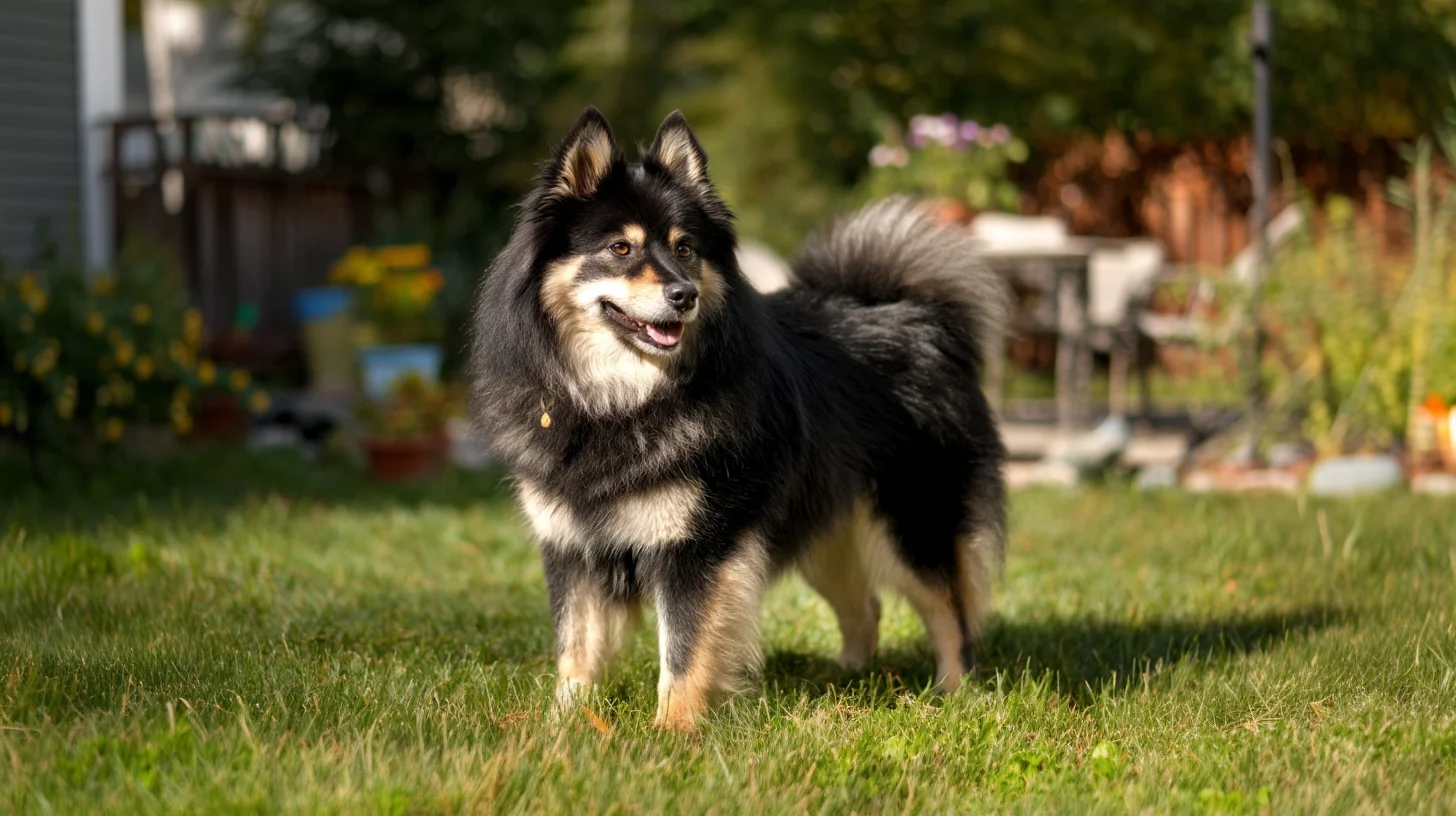
Finnish Lapphund
Breed Facts
Height
15-19 inches
Weight
27-44 pounds
Lifespan
12-14 years
Key Traits
Overview
Friendly, gentle companions with thick, fluffy coats and a sweet, expressive spirit. These intelligent, affectionate dogs blend playful energy with calm devotion—perfect for families and individuals seeking a loving, loyal friend who thrives on close bonds, outdoor adventures, and sharing warmth and joy at home.
Temperament & Personality
You'll find that your Finnish Lapphund, or "Lappie," possesses a unique temperament shaped by centuries of working closely with humans in a challenging environment. They are famously friendly, gentle, and sociable, getting along well with children, strangers, and other dogs. This submissive nature toward people should not be mistaken for shyness; they are alert, brave, and quick-witted.
This breed's personality is a direct result of its history herding semi-wild reindeer. This job required a dog that was both deeply bonded to its handler and capable of making independent decisions. This creates a fascinating combination: your Lappie will be eager to please you, yet may also display a thoughtful, strong-willed streak. A distinctive trait is a powerful startle reflex, an adaptation for instantly dodging the dangerous hooves and antlers of reindeer. In a home, this translates to a dog that is exceptionally aware of its surroundings. While they are not aggressive guardian dogs, they are excellent watchdogs and will use their voice to announce anything new or unusual—a trait honed to control vast herds with sound.
Care, Living Environment & Grooming
Caring for a Finnish Lapphund centers on managing their magnificent double coat and meeting their needs for companionship and moderate exercise. Their coat is a marvel of natural engineering, with a soft, dense undercoat for insulation and longer, coarse guard hairs to repel water and dirt. This "all-weather jacket" insulates them from both cold and heat. For this reason, you should never shave your Lappie's coat, as doing so removes their natural ability to stay cool in summer and warm in winter.
Grooming is manageable but essential. Here's what to expect:
- Weekly: Plan for a thorough 30- to 40-minute brushing session to prevent mats, especially behind the ears, in the leg "feathering," and in the armpit areas. This is also a great time to check their nails and ears.
- Seasonally: Twice a year, your Lappie will "blow coat," shedding their undercoat heavily. During this period, you'll need to brush them daily to remove the loose fur and prevent it from tangling into uncomfortable mats.
- As Needed: Lappies are clean dogs without a strong odor, so they only need a bath every month or so, or when they get particularly dirty.
Lappies are adaptable but do best in a home with a securely fenced yard. Their herding instincts may compel them to chase squirrels or other small animals. While they can live in an apartment, their tendency to bark might be an issue for close neighbors. Most importantly, they are a "pack" breed that needs to be with their family and can become anxious or destructive if left alone for long periods.
Training & Socialization
Training a Finnish Lapphund is a rewarding experience, as you'll be working with a highly intelligent and eager partner. Often called a "thinking breed," they learn very quickly—sometimes just by observing another dog perform a task. However, this intelligence means they need consistent leadership and mental stimulation to thrive. Boredom can lead them to invent their own, less desirable activities.
Your Lappie will respond best to positive reinforcement methods that use treats, praise, and play. They are sensitive dogs and can "shut down" if harsh techniques are used. Keep training sessions fun and varied to hold their interest. Because they were bred to use their voice for herding, they can be quite vocal. An essential part of training is teaching a "quiet" command from an early age to manage this natural tendency.
Early and ongoing socialization is crucial. Gently exposing your puppy to a wide variety of people, places, sounds, and other animals between 7 weeks and 4 months of age will help them grow into the well-adjusted, confident, and friendly companion the breed is known to be.
Health Considerations
The Finnish Lapphund is a generally robust and healthy breed with an average lifespan of 12 to 15 years. Their development in a harsh climate has made them resilient. However, like all purebred dogs, they are prone to certain hereditary conditions. Responsible breeders screen their breeding stock for these issues to produce the healthiest puppies possible. When looking for a puppy, you should always ask the breeder to provide health clearances for the parents.
Key health concerns and recommended screenings include:
- Progressive Retinal Atrophy (prcd-PRA): A genetic eye disease that causes gradual blindness. A DNA test is available and essential.
- Hip and Elbow Dysplasia: Malformation of the hip or elbow joints that can lead to arthritis. Screened via X-rays evaluated by organizations like the OFA.
- Pompe Disease (GSD II): An inherited and fatal metabolic disorder. A DNA test can identify carriers and prevent affected puppies from being born.
- Hereditary Cataracts: An opacity in the lens of the eye that can affect vision.
- Patellar Luxation: A condition where the kneecap dislocates.
- Degenerative Myelopathy (DM): A progressive disease of the spinal cord. A DNA test is available.
The Finnish Lapphund Club of America recommends comprehensive health screenings including OFA or PennHIP evaluations for hip and elbow dysplasia, DNA tests for prcd-PRA and Pompe disease, annual ophthalmologist evaluations, patella evaluations, and degenerative myelopathy testing.
Cost of Ownership
You can expect the average annual cost of owning a Finnish Lapphund to be around $1,800. This figure covers the essentials, but costs can vary based on your location and lifestyle choices. First-year expenses will be higher due to the initial purchase price of a puppy, which can range from $2,000 to $3,500 from a reputable breeder, plus supplies like a crate, bowls, and initial vet visits.
Here is a typical breakdown of annual expenses:
- Food: $450 - $800. This depends on the quality of food you choose for your medium-sized, active dog.
- Routine Veterinary Care: $400 - $700. This includes annual check-ups, vaccinations, and parasite prevention.
- Grooming: $50 - $200. While you can do most grooming at home, this accounts for supplies like brushes, shampoo, and nail clippers.
- Pet Insurance (Optional): $400 - $600. This can provide peace of mind and help cover unexpected veterinary emergencies.
The high initial cost of a well-bred puppy often reflects the breeder's significant investment in the comprehensive health testing required for this breed.
Pros and Cons
Pros
- Exceptionally friendly, gentle, and devoted to family
- Highly intelligent and eager to please, making them trainable
- Generally good with children and other pets
- Adaptable and sturdy with moderate exercise needs
- Beautiful and impressive appearance
Cons
- Tendency to be very vocal (barking)
- Sheds heavily, especially during seasonal coat blows
- Can be strong-willed and needs mental stimulation to prevent boredom
- Does not tolerate being left alone for long periods
- Requires a securely fenced yard due to herding instincts
Fun Facts
- The Finnish Lapphund is an ancient breed, with archaeological remains of their ancestors in Lapland dating back as far as 7000 B.C.
- They developed a unique, high-pitched bark to herd reindeer, a sound that was effective at moving the animals without signaling predation.
- Their toes are spread out to act like natural snowshoes, and they have fur between their paw pads for extra protection in the snow.
Frequently Asked Questions
Do Finnish Lapphunds shed a lot?
Yes, Finnish Lapphunds shed a moderate amount year-round and have two heavy shedding periods per year where they "blow" their undercoat. During these times, daily brushing is necessary to manage the fur. Their hair tends to get caught in the top coat rather than falling all over the house.
Are Finnish Lapphunds good apartment dogs?
They can adapt to apartment living if their exercise and mental stimulation needs are met, but they are not an ideal choice. Their tendency to bark can be problematic with close neighbors, and they thrive in a home with a securely fenced yard for play.
How much exercise does a Finnish Lapphund need?
A Finnish Lapphund has moderate exercise needs, typically requiring about an hour of activity per day. This can include brisk walks, jogging, or energetic play sessions. They also excel at and enjoy dog sports like agility, which provide crucial mental stimulation.
Can first-time owners handle a Finnish Lapphund?
Yes, a Finnish Lapphund can be a wonderful choice for a dedicated first-time owner. Their eagerness to please and gentle nature are great assets. However, you must be prepared to provide consistent training, manage their vocal tendencies, and meet their significant needs for companionship and grooming.
References
Personality Profile
Find your perfect puppy pair!
Take our quick personality quiz to find the breeds that match your personality.
Start Quiz NowKey Traits
Temperament
affectionate
Reserved
Cuddly
energy Level
Calm Companion
High-Energy Dynamo
Social Behavior
good With Children
Best with Adults/Older Kids
Kid-Friendly
barking Level
Quiet-Natured
Talkative
Care & Maintenance
shedding Level
Light Shedder
Heavy Shedder
exercise Needs
Short Walks Enough
Needs Daily Workouts
Learning & Cognition
trainability
Independent Thinker
Eager Learner
mental Stimulation Needs
Content Relaxer
Needs Challenges
Breed Facts
Height
15-19 inches
Weight
27-44 pounds
Lifespan
12-14 years
Key Traits
You Might Also Like
Find Your Perfect Puppy Pair
Take our scientifically-backed personality quiz to discover which dog breeds align with your personality.
Start the Quiz