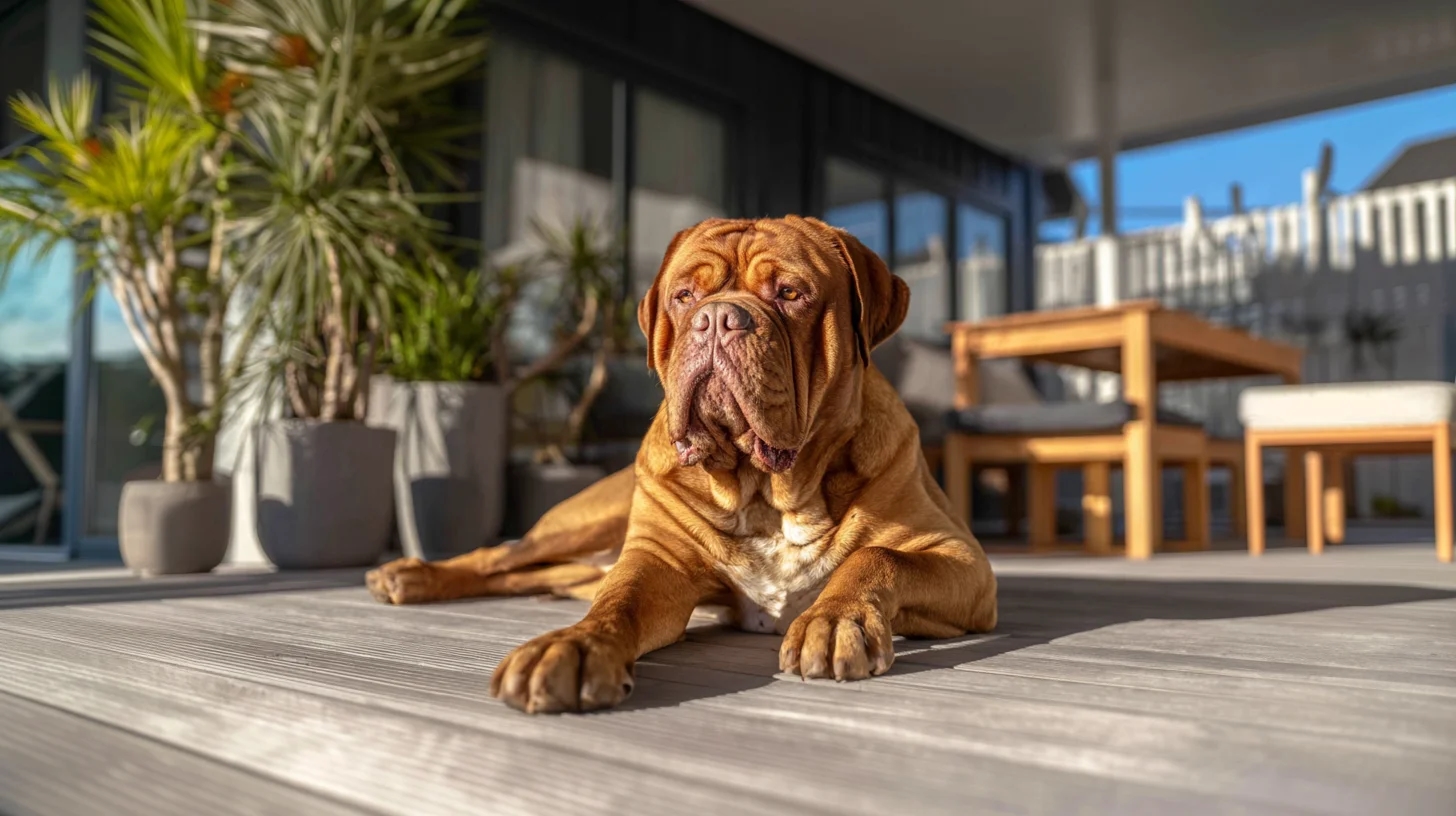
Dogue de Bordeaux
Breed Facts
Height
23.5-27 inches (male), 23-26 inches (female)
Weight
110 pounds & up (male), 99 pounds & up (female)
Lifespan
5-8 years
Key Traits
Overview
Powerful, devoted companions with massive heads and soulful, expressive eyes. These courageous, affectionate dogs blend imposing strength with gentle loyalty—perfect for experienced owners seeking a steadfast, loving friend who forms deep bonds and offers calm, watchful protection at home.
Temperament & Personality
The Dogue de Bordeaux, also known as the French Mastiff, may look imposing with its giant build and wrinkled face, but its temperament is often described as a gentle, devoted soul in a hulking body. In the home, a well-socialized Dogue de Bordeaux is calm, affectionate, and exceedingly loyal to its family. These dogs form tight bonds with their humans – you might be surprised to find that this “tough” mastiff is actually a huge cuddle-bug. Dogues are typically patient and sweet with kids (though their sheer size means supervised interactions are important to prevent accidental knock-overs). With their loved ones, they are quiet shadows, happy to lounge nearby or snore at your feet. Don’t mistake their mellow nature for laziness, though; Dogues are alert and protective when it counts. Bred historically as estate guardians, they have natural watchful instincts. A Dogue de Bordeaux will be reserved or indifferent with strangers, and if threatened can exhibit bravery to defend its family. However, with proper socialization, most are polite – if not particularly outgoing – around new people and animals. Owners often note a stubborn streak in this breed; Dogues have a independent mind and can be willful at times. They respond best to confident, consistent leadership. Overall, the Dogue de Bordeaux’s personality is that of a noble, steady companion: low-key and loving with family, yet possessing an innate guardian’s presence.
Care, Living Environment, & Grooming
Caring for a Dogue de Bordeaux revolves around accommodating their size and maintaining their health without overtaxing them. Despite their formidable appearance, Dogues are moderate-energy, “couch potato” dogs for the most part. They are content with a couple of daily walks and some brief play – you won’t find this breed begging for a marathon run. In fact, intense exercise or long runs are not recommended due to their heavy build and potential for joint stress. Instead, plan on low-impact, regular exercise: two or three 20-30 minute walks each day and maybe a short game of fetch or tug in the yard. This routine will keep them fit and prevent weight gain, which is important as these dogs can gain weight easily. Always be mindful of hot weather – as a brachycephalic (short-muzzled) breed, Dogues de Bordeaux do not tolerate heat well and can overheat quickly. On warm days, exercise them in the cool of morning or evening and ensure they have access to shade and water (air conditioning is a plus).
When it comes to living space, the Dogue de Bordeaux is surprisingly adaptable. They can live in an apartment or smaller home as long as they get their daily walks, because they tend to be fairly inactive and mellow indoors. Of course, you’ll need ample room for a giant dog bed and a bit of floor space when they sprawl out. Stairs can be challenging for this breed (especially as they age or if joint issues arise), so a one-story living situation or providing ramps can be helpful. They are definitely inside dogs – a Dogue wants to be with its family and should not be left outdoors for long stretches, both for bonding and because they don’t do well in extreme weather.
Grooming the Dogue de Bordeaux is relatively easy but with a few unique aspects. Their coat is short and smooth, and they shed a modest amount. A quick brushing once a week will remove loose hairs and keep their coat shiny (they do have seasonal sheds, but nothing a bit of extra brushing can’t handle). Bathing is needed only occasionally (perhaps every month or two) unless they get into a mess. One thing you’ll become familiar with is drool: Dogues have large jowls and they salivate a lot, especially in anticipation of food or after drinking. Keep a drool towel handy for wiping their mouth and face folds. Speaking of folds, the wrinkles on their face, especially around the muzzle, need regular cleaning (daily if possible) to prevent moisture and bacteria from causing irritation or infection. Simply wiping their wrinkles with a damp cloth and thoroughly drying them will do the trick. Other routine care includes trimming those big nails about once a month (overgrown nails can cause discomfort) and brushing their teeth regularly – large breeds can be prone to dental issues if oral care is neglected. By staying on top of these basic care tasks and creating a comfortable indoor life, you’ll help your Dogue de Bordeaux stay healthy and happy.
Training & Socialization
Training a Dogue de Bordeaux requires a balance of firm leadership and positive reinforcement. This breed is intelligent and eager to please its owners, but also has an independent, stubborn side inherited from its mastiff lineage. Start training and socialization early, while your Dogue is still a manageable puppy size. Early obedience training – especially teaching them not to pull on leash and basic manners – is critical before they grow into a 100+ pound powerhouse. Use calm assertiveness and be consistent with rules; Dogues will sense if you waver. Harsh punishment or yelling is not effective (they can be sensitive and may shut down or become defiant). Instead, reward good behavior enthusiastically. Most Dogues are highly food-motivated, so treats work wonders in training (along with praise and petting). For example, when your Dogue sits or obeys a command, a tasty reward will reinforce that behavior quickly. Keep training sessions short and upbeat – while they are smart, Dogues have a shorter attention span and can get bored with repetitive drills. Several mini-sessions a day work better than a long one.
Socialization is key to harnessing the naturally protective nature of the Dogue de Bordeaux. From puppyhood, expose your Dogue to a variety of people, dogs, and environments in a controlled, positive way. Invite friends over, take them to see different places (busy streets, parks), and enroll in puppy classes. This will help them grow into a confident adult who isn’t overly shy or unnecessarily aggressive. Properly socialized Dogues are typically polite but reserved with strangers – they’ll accept newcomers if you welcome them, but still might not be overly friendly (which is okay given their guard dog background). Be mindful that Dogues can be dog-selective; introductions to other dogs should be slow and supervised. They often do best with opposite-sex dogs or those of a similar calm temperament.
When training, remember the adage: positive reinforcement is key. Dogue de Bordeauxs respond well to praise and rewards, and they thrive when they understand what you want. Make training fun and part of your daily routine – even into adulthood, continue reinforcing commands to maintain their manners. Lastly, given their strength, consider training specific skills like a reliable recall and a solid “leave it” command, as well as getting them comfortable with handling (veterinary exams, grooming) early on. With patience and consistency, your Dogue de Bordeaux can become a well-behaved gentle giant who is a joy to live with, as long as you establish respect and trust on both ends of the leash.
Health Considerations
Unfortunately, the Dogue de Bordeaux is known for a relatively short lifespan – typically only about 5 to 8 years on average – and they face a number of health challenges common to large, mastiff-type breeds. If you’re considering this breed, it’s important to be aware of these issues and work with a breeder who health-tests their dogs. Here are some of the common health concerns in Dogues de Bordeaux:
- Brachycephalic Airway Syndrome: Because of their broad, short muzzle, Dogues can have breathing difficulties. Narrowed nostrils and an elongated soft palate lead to snoring, snorting, and heavy panting. Most Dogues breathe noisily and can struggle in heat or during vigorous exercise. In severe cases, surgical intervention may be needed to improve airflow.
- Orthopedic Problems: Their large size puts strain on bones and joints. Hip dysplasia and elbow dysplasia (malformed joints) are frequently seen, leading to arthritis or lameness over time. The breed is also prone to shoulder osteochondrosis (OCD, a cartilage issue) and knee ligament injuries. Keeping your Dogue at a healthy weight and on joint supplements as recommended can help, but many will require pain management in later years. Responsible breeders perform hip, elbow and shoulder evaluations to screen for these issues.
- Heart Disease: Cardiac problems are a leading concern in the Dogue de Bordeaux. Two conditions in particular – dilated cardiomyopathy (DCM) and subaortic stenosis (SAS) – are noted as leading causes of death in the breed. DCM is an enlargement and weakening of the heart muscle, while SAS is a narrowing of the aortic valve. Both can lead to heart failure. Regular cardiac exams (including echocardiograms) are recommended, and early signs like coughing, lethargy, or fainting should prompt a vet visit.
- Gastric Dilatation-Volvulus (Bloat): Like many deep-chested large breeds, Dogues can suffer from bloat – a life-threatening condition where the stomach distends with gas and can twist. This is a medical emergency. To reduce risk, it’s advised to feed multiple small meals a day, avoid vigorous exercise right after eating, and consider a gastropexy surgery (stomach tacking) when the dog is young and being spayed/neutered. Knowing the signs of bloat (unproductive retching, distended abdomen, restlessness) and getting immediate veterinary help can save your dog’s life.
- Skin and Eye Issues: The Dogue’s wrinkles and droopy features predispose them to certain problems. Skin fold dermatitis (irritation/infection in skin wrinkles) can occur if not kept clean and dry. They may also experience entropion, an eyelid condition where the lid rolls inward and irritates the eye. Entropion often requires surgical correction. Additionally, allergies (environmental or food) can cause skin itchiness in some Dogues, and their short coat means any rashes or hives are usually easy to spot.
- Cancer and Other Ailments: Sadly, cancer (like lymphoma or mast cell tumors) is not uncommon in this breed and contributes to their shorter lifespan. Epilepsy (seizure disorder) is seen occasionally, and some Dogues can develop kidney issues or other organ diseases as they age. Regular vet check-ups, including blood work for older dogs, can help catch treatable conditions early.
To give your Dogue de Bordeaux the best chance at a long, healthy life, choose a reputable breeder who screens for the breed’s known health issues (hips, elbows, shoulders, heart). Once you have your dog, keep up with routine veterinary care – this big breed can be stoic and may not show pain until an issue is advanced. Preventive care (like joint supplements, heartworm prevention, and good nutrition) goes a long way. It’s also wise to budget for potential medical costs or invest in pet insurance, as treating large breed health problems (orthopedic surgeries, etc.) can be costly. With attentive care and a bit of luck, your gentle giant will enjoy as many happy years by your side as possible.
Cost of Ownership
Owning a Dogue de Bordeaux tends to be more expensive than owning a smaller dog, due to the breed’s giant size and higher healthcare needs. You should anticipate roughly $2,500 per year in expenses for your Dogue de Bordeaux, though it could be more if health issues arise. Here’s how the costs typically break down:
- Food: Big dog, big appetite! Quality large-breed dog food will likely cost around $80–$120 per month. That’s roughly $1,000–$1,400 a year on food alone. Treats and supplements (like joint supplements) are extra – perhaps another $100+ annually if you include those.
- Routine Veterinary Care: Regular vet exams, vaccinations, and preventative meds for a giant breed might run about $500 per year. This includes basics like annual check-ups (~$150 each), vaccines or titer tests, and monthly preventatives (heartworm, flea/tick) which can be $20+ a month due to the high dosage needed for a large dog.
- Pet Insurance: Given the Dogue’s propensity for serious health issues, pet insurance is worth considering. Expect to pay around $50–$70 per month for a comprehensive plan for a Dogue de Bordeaux (about $600–$800 per year). Insurance can help cover costly surgeries (for example, bloat surgery or orthopedic operations) that this breed might need.
- Grooming & Care Supplies: The Dogue’s short coat doesn’t require professional grooming, which saves money. You might spend ~$200 a year on grooming supplies (shampoos, ear cleaners, wipes for those wrinkles, nail clippers) and perhaps an occasional visit to a groomer for a bath and nail trim if you prefer (large breeds may cost $50–$100 per session at a groomer). Don’t forget to factor in basic supplies like an XXL dog bed, sturdy leash and collar/harness, food and water bowls (likely elevated bowls to help reduce bloat risk), and plenty of durable toys – initial setup can be a few hundred dollars, but these are mostly one-time costs.
- Training & Miscellaneous: Many Dogue owners invest in training classes, especially in the first year, given the importance of early obedience. Group classes can range from $150–$250, and private sessions more. While not an annual cost, it’s wise to budget for training early on. Also, consider pet care services: if you travel or work long hours, a pet sitter, dog walker, or boarding costs can add significantly. Boarding a giant breed can be $50+ per night.
In the first year, expect higher expenses (often $3,000 or more) due to the one-time purchases (and if buying from a breeder, Dogue de Bordeaux puppies themselves are often $1,500–$2,500). Additionally, spay/neuter surgery, initial vaccines, and possibly a gastropexy surgery to prevent bloat (which many owners elect to do) will add to the first-year bills. Over the life of your Dogue, also be prepared for those vet bills that tend to come with large breeds – setting aside an emergency fund or maintaining pet insurance is highly recommended. While the Dogue de Bordeaux is not a cheap dog to keep, their loving companionship is priceless for those who adore this breed.
Pros and Cons
Pros
- Deeply Loyal and Affectionate: Forms a strong bond with family and is known as a gentle, loving companion.
- Good Guard Dog: Naturally protective and brave, will deter intruders with their presence, yet usually discerning and not overly aggressive without cause.
- Calm & Low-Energy Indoors: Enjoys relaxation and won’t typically bounce off the walls; happy to snuggle and nap for large portions of the day.
- Minimal Grooming Needs: Short coat is easy to care for, and they don’t require fancy grooming – just basic upkeep.
- Great with Kids (Supervised): Generally patient and sweet with children in the family, often acting like a big, gentle nanny (though supervision is a must given their size).
Cons
- Very Short Lifespan: Only about 5–8 years on average, which means heartbreak comes sooner than with most breeds.
- Health Issues: Prone to many medical problems (joint issues, heart disease, bloat, etc.), which can lead to high veterinary costs and special care.
- Size & Strength: Extremely strong and heavy (100+ lbs); can be difficult to manage if not well-trained, and even when they are, tasks like lifting them or finding space can be challenging.
- Drool and Snoring: Comes with the mastiff territory – expect slobber on your clothes and furniture, and loud snores from the dog bed. They can be a bit messy for the fastidious homeowner.
- Not Ideal for Novice Owners: Their combination of stubbornness, guardian instincts, and sheer size means they do best with experienced, confident dog owners who understand training and handling large breeds.
Fun Facts
- Hollywood Debut: The Dogue de Bordeaux burst into the limelight in 1989 thanks to the movie Turner & Hooch. In the film, a slobbery Dogue named Hooch plays Tom Hanks’ canine co-star. This was the first time many Americans had ever seen the breed, and it sparked a surge of interest in Dogues de Bordeaux almost overnight. (Prior to that, they were virtually unknown in the U.S.)
- Record-Size Head: Dogues de Bordeaux are famous for having one of the largest heads in the canine world. Proportionate to body, their head is massive – a trait that breeders in France historically favored. In fact, there was once a smaller-headed variety of the breed, but over time the big-headed lineage became the standard. An adult Dogue’s head can have a circumference equal to or greater than his height at the shoulder!
- Ancient French Breed: This breed is so old, it was around before France was officially France. The Dogue de Bordeaux’s ancestors date back to at least the 14th century in the Bordeaux region. They’ve been used as war dogs, hunters, and guardians of castles and vineyards. Their enduring history has earned them the title “the most ancient of French dog breeds”, and they were at one time nicknamed “Butcher’s Dogs” for their job of managing cattle and protecting butcher shops.
Frequently Asked Questions
Are Dogues de Bordeaux dogs shed a lot?
No – Dogues de Bordeaux are moderate shedders. They have a single, short coat that sheds minimally throughout the year. You’ll likely notice a bit of hair on the carpet or furniture, but not huge clumps. They do go through seasonal shedding where the amount increases slightly (usually in spring and fall when they blow their coat), but even then it’s manageable with regular brushing. A quick weekly brush-down with a soft bristle brush or grooming mitt will remove loose hairs and keep their coat looking good. Compared to heavy shedders like German Shepherds or Golden Retrievers, the Dogue’s shedding is quite light. Their grooming needs are low – just be ready to wipe up some drool instead!
Are Dogues de Bordeaux dogs good apartment dogs?
Surprisingly, yes – a Dogue de Bordeaux can live in an apartment or small home, provided their exercise needs are met. Despite their giant stature, Dogues are relatively low-energy indoors and love to lounge. They don’t require a big yard to run in like some high-energy breeds. The key is ensuring you give them daily walks and opportunities to stretch their legs. Two or three nice walks a day (and maybe a short play session) will keep a Dogue content even in an apartment. You’ll want to have enough space inside for them to navigate comfortably – clear pathways for that big body and a cozy spot for a large dog bed. Stairs can be an issue for older Dogues, so elevators or ground-floor apartments are preferable. Also, be courteous to neighbors; Dogues don’t bark much, but their snoring can be pretty epic (though usually not a problem through walls). In summary, with regular exercise and a bit of space to call their own, Dogues de Bordeaux can adapt well to apartment living.
How much exercise does a Dogue de Bordeaux need?
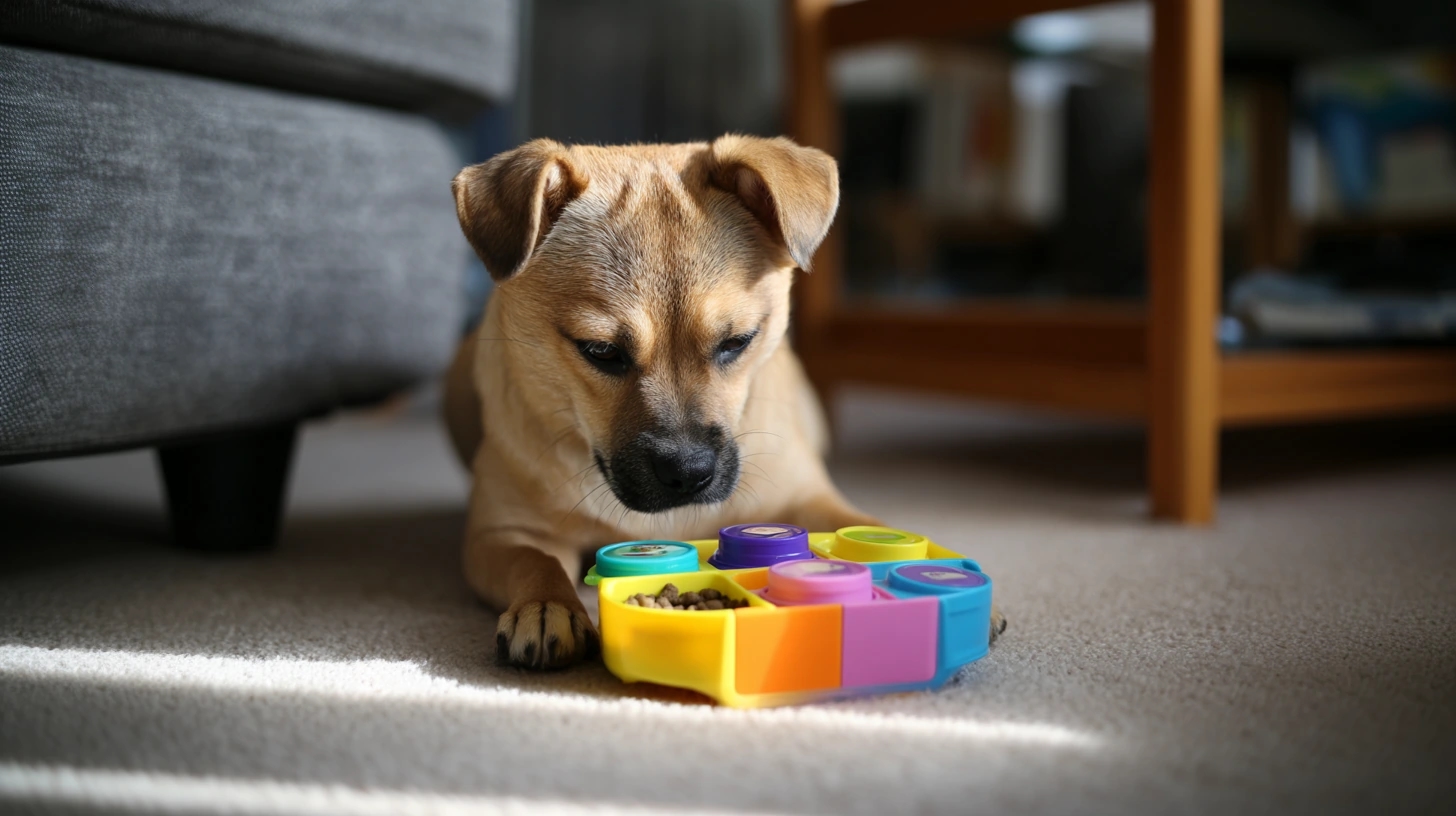
The Dogue de Bordeaux has moderate exercise needs – less than many other breeds of its size. As a rule of thumb, aim for about 30 to 60 minutes of exercise per day. This can be split into a couple of walks and some gentle playtime. A typical routine might be a 20-minute morning walk, a 20-minute evening walk, and some light play or training in between. They enjoy walks where they can sniff and explore at a leisurely pace. While they can have short bursts of speed (you’d be surprised how quick a Dogue can move when excited), they are not built for long-distance running or vigorous sustained activity. Avoid pushing them too hard – heavy exercise or running in hot weather can be dangerous due to their heat sensitivity and bulk. Instead, keep things low-impact: walks, short hikes, casual fetch in the yard (many Dogues play fetch a few times but will then prefer to plop down!). Mental stimulation can also tire them out – basic obedience refreshers or interactive food toys work well. Remember, a well-exercised Dogue is a happy Dogue, but “exercise” for this breed is more about consistency than intensity.
Can first-time owners handle a Dogue de Bordeaux?
In most cases, Dogues de Bordeaux are not recommended for first-time dog owners. This breed does best with someone who has prior experience with large or strong-willed dogs. The reason is that Dogues require confident training and socialization from an early age – their combination of protective instincts, stubbornness, and sheer size can be challenging without a background in dog handling. A first-time owner might find it overwhelming to manage a 120-pound dog that decides it doesn’t want to do something. That said, it’s not impossible. A very dedicated first-time owner who commits to working with a professional trainer, starts socialization early, and is thoroughly educated about the breed could succeed. You would need to be comfortable being a firm, consistent leader (in a loving way) so your Dogue de Bordeaux respects your commands. Also, consider the lifestyle: these dogs drool, have high vet costs, and break the “normal dog” mold in many ways – all factors a novice should be fully prepared for. In general, though, Dogues are best suited for experienced owners who understand the responsibility that comes with a giant breed. With the right owner, they are amazing, gentle companions; with an unprepared owner, they could develop behavior issues or be more than one can handle.
References
Personality Profile
Find your perfect puppy pair!
Take our quick personality quiz to find the breeds that match your personality.
Start Quiz NowKey Traits
Temperament
affectionate
Reserved
Cuddly
energy Level
Calm Companion
High-Energy Dynamo
Social Behavior
good With Children
Best with Adults/Older Kids
Kid-Friendly
barking Level
Quiet-Natured
Talkative
Care & Maintenance
shedding Level
Light Shedder
Heavy Shedder
exercise Needs
Short Walks Enough
Needs Daily Workouts
Learning & Cognition
trainability
Independent Thinker
Eager Learner
mental Stimulation Needs
Content Relaxer
Needs Challenges
Breed Facts
Height
23.5-27 inches (male), 23-26 inches (female)
Weight
110 pounds & up (male), 99 pounds & up (female)
Lifespan
5-8 years
Key Traits
You Might Also Like
Find Your Perfect Puppy Pair
Take our scientifically-backed personality quiz to discover which dog breeds align with your personality.
Start the Quiz