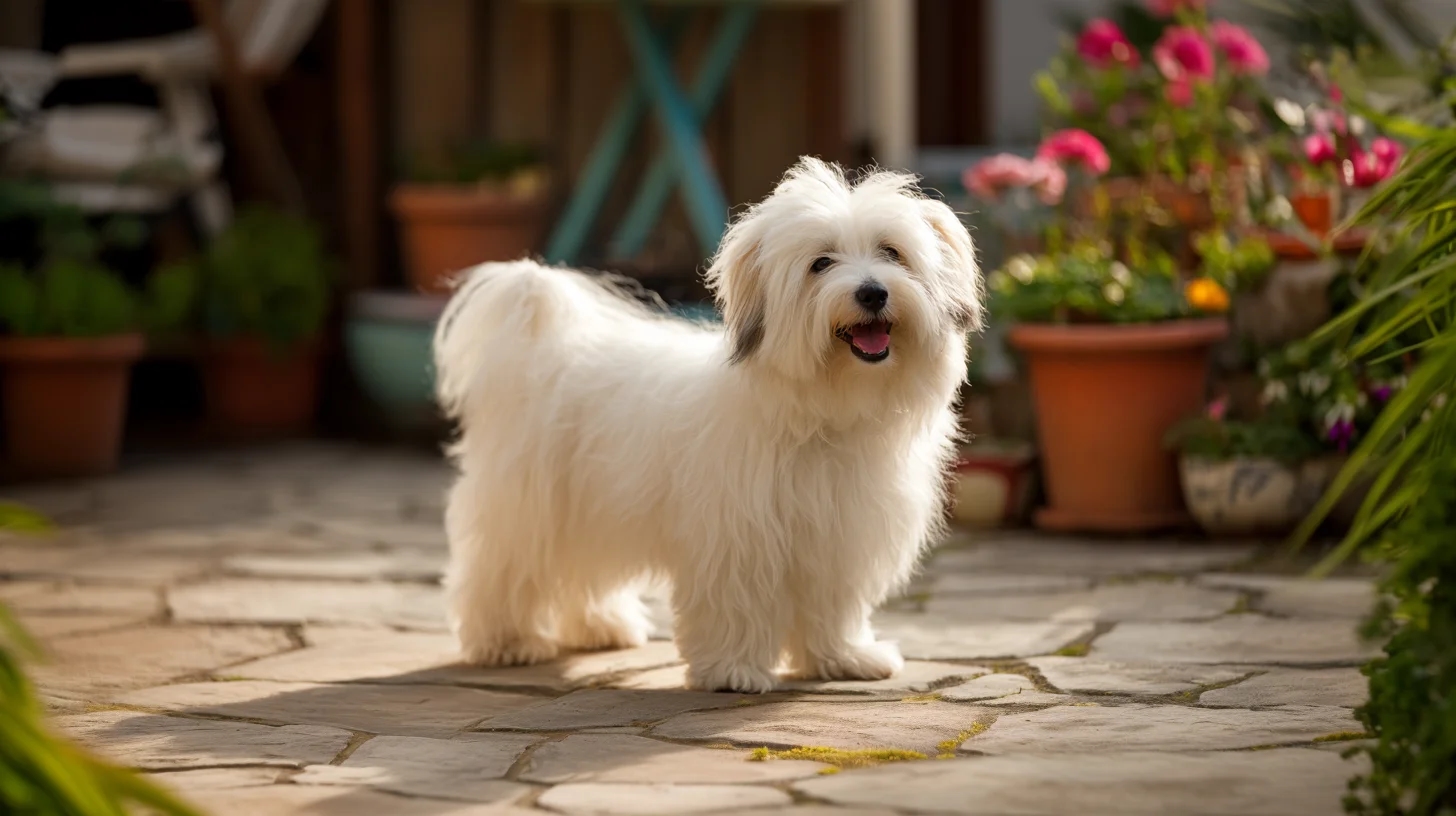
Coton de Tulear
Breed Facts
Height
10-11 inches (male), 9-10 inches (female)
Weight
9-15 pounds
Lifespan
15-19 years
Key Traits
Overview
Cheerful, affectionate companions with soft, cotton-like coats and a joyful, clownish spirit. These playful, devoted dogs blend lively charm with gentle loyalty—perfect for families and individuals seeking a cuddly, entertaining friend who loves close bonds and brightens every day with their happy-go-lucky personality.
Temperament & Personality
The Coton de Tulear is known for its affectionate, happy-go-lucky personality. Your Coton will likely be playful and clownish, always ready to entertain you with joyful antics as it spins or stands on its hind legs. Despite their small size, these dogs have a big, outgoing heart. They form strong bonds with their owners and are gentle with children and other pets. Cotons crave companionship and often prefer to be near you; they may follow you from room to room. If not socialized early, they can be a bit shy with strangers, so gentle introductions as puppies will help them grow confident and outgoing.
Care, Living Environment & Grooming
Cotons thrive in homes where someone is around much of the day. They adapt well to apartments as long as they get daily walks or indoor play. These little dogs are moderately active; a couple of brisk 15–30 minute walks per day (or indoor games) keeps them happy. Cotons also enjoy playtime outdoors (many love water), but they’re equally content with indoor play if the weather is bad. Secure fencing is wise if they have yard access, to ensure safety.
The Coton’s coat is its hallmark: long, white, and fluffy, and technically considered hair (not fur). Cotons are nearly hypoallergenic and shed very little, which is great for allergy sufferers. However, the coat mats easily, so frequent grooming is a must. Expect to brush your Coton 3–4 times per week (daily brushing is best to prevent tangles). Use a pin brush or metal comb and pay special attention to the hair near the skin and behind the ears. Plan on baths roughly every 1–3 weeks, and trim nails as needed. Many owners keep their Coton’s coat in a short "puppy cut" for easier maintenance.
Feed your Coton a high-quality diet and watch their weight, as these small dogs can gain weight easily. Provide portioned meals (e.g., ½–1 cup per day, depending on size and activity) and fresh water at all times.
- Daily/Weekly: Brush your Coton’s coat thoroughly to remove any tangles (daily if coat is long). Clean ears and eyes weekly, and brush teeth. Give a good play session or walk each day.
- Monthly: Bathe your Coton once a month (more if he gets dirty). Trim nails and consider a professional groom if you keep the coat long. Check the skin and coat for debris or mats.
Training & Socialization
Coton de Tulears are smart and learn quickly. They respond best to positive reinforcement training (treats, praise, gentle correction). Most owners find them eager to please and easy to train. House-training may require patience—some Cotons are a bit stubborn about potty training—so consistent routines and crate training can help. Cotons often enjoy learning tricks and dog sports, which cater to their intelligence and playful spirit. Early socialization is important: expose your puppy to different people, places, and pets so it grows up confident and friendly. Without it, a Coton might be reserved around strangers, so puppy classes or meetups are recommended. Generally, Cotons are not excessive barkers; they will alert you to something unusual but are not noisy guard dogs.
Health Considerations
Cotons de Tulear are generally healthy dogs with a long lifespan of around 14–16 years. Nonetheless, you should be aware of a few health considerations. The most common issues include:
- Skin allergies: Cotons frequently suffer from skin allergies, which can lead to itching or infections if untreated. Frequent grooming and a good diet help manage this risk.
- Ear infections: Their floppy ears can trap moisture; regular ear cleaning can prevent wax buildup and infections.
- Hip dysplasia: As with many breeds, some Cotons develop hip dysplasia, an inherited joint condition. Maintaining a healthy weight and screening with X-rays can help.
- Patellar luxation: Kneecap slip can occur in Cotons, so watch for any skipping in the gait.
- Eye conditions: Progressive retinal atrophy (PRA) is reported in Cotons, potentially leading to vision loss.
Routine veterinary check-ups are recommended. A vet may suggest annual wellness exams and breed-specific screenings (such as eye and hip evaluations) to catch any problems early.
Cost of Ownership
Coton de Tulears are a relatively small, low-shedding breed, but keep in mind their grooming needs. An average yearly budget of roughly $1,800 is a good target. This might break down to about $300–$500 for quality dog food, $300–$500 for routine vet care (annual check-ups and vaccinations), $300–$600 for insurance or emergency savings, and $400–$600 for grooming and supplies (brushes, coats trims, etc.). Toys, training, and other incidentals can add a few hundred dollars per year. The first year will be more expensive (often $2,000–$3,000) due to puppy costs like spay/neuter, initial medical care, and supplies.
Pros and Cons
Pros
- Sweet-natured, affectionate, and highly loyal
- Gets along well with families, children, and other pets
- Nearly non-shedding and hypoallergenic
- Intelligent and people-oriented
Cons
- Requires frequent grooming (coat maintenance)
- Can suffer separation anxiety if left alone for long periods
- Potty training may take extra patience
- Moderate exercise needs (daily walks/playtime)
- Small size makes them fragile around very young children
Fun Facts
- The name “Coton de Tulear” comes from the French word for cotton (describing its fluffy coat) and the city of Tulear in Madagascar.
- These dogs were once so prized by Madagascar’s royal family that laws forbade commoners from owning one. (They only became known outside Madagascar in the 1960s.)
- The breed was officially recognized by the American Kennel Club in 2014.
Frequently Asked Questions
Do Cotons de Tulear shed a lot?
No. Cotons have hair, not fur, and are considered virtually non-shedding. Their cottony coat grows continuously, so you’ll see very little loose fur around the house. Instead of shedding, their hair occasionally needs trimming. Regular brushing prevents tangles and keeps shedding to a minimum.
Are Cotons good apartment dogs?
Yes. Cotons are small, adaptable, and do well in apartments as long as they get daily exercise. They thrive on companionship and quiet indoor life but still need a short walk or play session (around 20–30 minutes) each day. They’re generally quiet dogs, so apartment noise shouldn’t be an issue.
How much exercise does a Coton de Tulear need?
Cotons have moderate exercise needs. Plan on about 30 minutes of activity per day, such as a brisk walk or indoor play. They enjoy games and will happily join you on outings, but they’re also content to curl up on the couch after playtime. Always tailor exercise to your dog’s age and health.
Can first-time owners handle a Coton de Tulear?
Absolutely. Cotons are often recommended for first-time dog owners because of their friendly, trainable nature. They are intelligent and eager to please, making training easier. However, their grooming needs and tendency to form strong bonds (and separation anxiety) mean owners should be committed to daily care and companionship. With patience and consistency, a new owner can successfully care for a Coton.
References
Personality Profile
Find your perfect puppy pair!
Take our quick personality quiz to find the breeds that match your personality.
Start Quiz NowKey Traits
Temperament
affectionate
Reserved
Cuddly
energy Level
Calm Companion
High-Energy Dynamo
Social Behavior
good With Children
Best with Adults/Older Kids
Kid-Friendly
barking Level
Quiet-Natured
Talkative
Care & Maintenance
shedding Level
Light Shedder
Heavy Shedder
exercise Needs
Short Walks Enough
Needs Daily Workouts
Learning & Cognition
trainability
Independent Thinker
Eager Learner
mental Stimulation Needs
Content Relaxer
Needs Challenges
Breed Facts
Height
10-11 inches (male), 9-10 inches (female)
Weight
9-15 pounds
Lifespan
15-19 years
Key Traits
You Might Also Like
Find Your Perfect Puppy Pair
Take our scientifically-backed personality quiz to discover which dog breeds align with your personality.
Start the Quiz