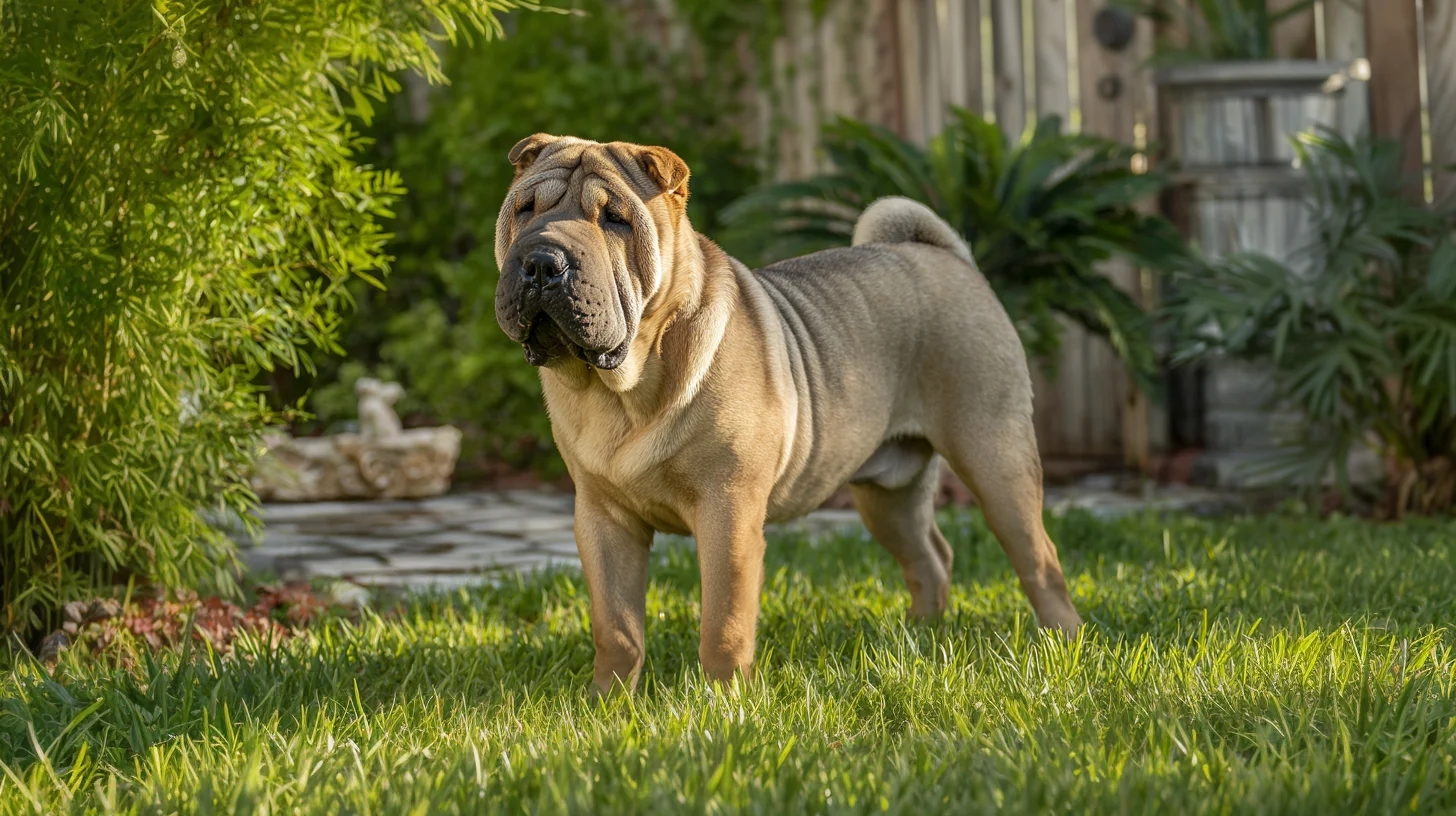
Chinese Shar-Pei
Breed Facts
Height
18-20 inches
Weight
45-60 pounds
Lifespan
8-12 years
Key Traits
Overview
Loyal, dignified companions with distinctive wrinkles and an independent spirit. These calm, devoted dogs blend quiet confidence with deep family loyalty—perfect for experienced owners seeking a protective, affectionate friend who forms strong bonds and brings a unique, noble presence to the home.
Temperament & Personality
The Chinese Shar-Pei is a dignified, loyal breed with an ancient history. They tend to be calm and devoted to their family, but reserved or even aloof around strangers. Shar-Peis are known for being clean and quiet – they rarely bark much. You may notice your Shar-Pei snorting or snuffling; this is due to their short muzzle. Shar-Peis are protective watchdogs and may be wary of unfamiliar animals, so early socialization is important. They are independent and can be strong-willed; consistent, firm leadership is needed, as they may stubbornly resist harsh discipline. With patient training, well-socialized Shar-Peis become loyal companions who get along well with their people. They generally do best with older children, as their guarding instinct can be overwhelming around very young kids.
Care, Living Environment, & Grooming
Shar-Peis have low grooming needs thanks to their short, harsh coat. Brushing once a week will keep the coat healthy, and bathing is only needed occasionally. However, cleaning and drying their wrinkles is critical: check the skin folds 2–3 times weekly to prevent infections. Trim their nails monthly and clean their ears regularly, since narrow ear canals can trap moisture. Overall, Shar-Peis are very clean dogs and often avoid dirt, so grooming is generally easy.
Shar-Peis adapt well to a variety of homes. A securely fenced yard is recommended, as they are territorial and like to patrol their surroundings. They are relatively calm indoors and often do fine in apartments, provided they get daily exercise. Give your Shar-Pei about 30 minutes of activity each day (short walks or play sessions) to keep it healthy and happy. Shar-Peis enjoy warm weather – their short coat and dark pigmentation help them handle sun and heat. However, they have virtually no undercoat, so many Shar-Peis are sensitive to cold; consider a dog coat for chilly days. They also typically dislike rain, and may prefer to stay indoors in bad weather.
- Weekly: Brush the coat and inspect all skin folds for moisture or irritation. Clean ears to prevent infections.
- Monthly: Trim nails (indoor Shar-Peis can wear nails down, but check regularly) and bathe if they get dirty. (A healthy Shar-Pei often doesn’t need frequent baths.)
Training & Socialization
Shar-Peis are intelligent but can be headstrong, so early training is crucial. Start puppy obedience classes early and expose your Shar-Pei to new people, pets, and places slowly, using lots of praise and treats. They can be naturally anxious, so positive reinforcement is key – harsh correction can make them shut down. Consistent, calm leadership helps them learn boundaries. Shar-Peis may be suspicious or stiff with strangers, so gentle socialization from a young age will help them become more comfortable. Remember, Shar-Peis make good watchdogs – they’ll alert you to trouble but usually aren’t overly aggressive if well-trained. With patience and positive training, your Shar-Pei can learn basic commands and behave politely, though they will always show their independent streak.
Health Considerations
Chinese Shar-Peis have an average lifespan of about 8–12 years. They’re generally sturdy but prone to some specific hereditary issues. It’s wise to schedule regular veterinary exams and screenings (blood tests, ear and skin checks) for this breed. Common concerns include:
- Entropion: Shar-Peis have many facial wrinkles, which often cause the eyelids to roll inward. This condition can irritate the eyes and usually needs surgical correction.
- Shar-Pei Fever (Familial Shar-Pei Fever): A genetic periodic fever syndrome marked by high fevers and swollen hocks. It can lead to kidney damage over time.
- Skin Fold Dermatitis: Bacterial or yeast infections in skin folds. Moist, red or smelly folds need prompt cleaning or medical treatment.
- Pododermatitis: Chronic inflammation/infection of the skin between the toes, often from allergies or moisture. Watch for licking or redness of the feet.
- Ear Infections: Narrow ear canals can easily trap wax and moisture, leading to infections. Keep ears clean and dry.
- Hypothyroidism: About 20% of Shar-Peis develop low thyroid levels. Symptoms include coat changes, lethargy and weight gain. Annual bloodwork can screen for this.
Hip dysplasia and patellar luxation can also occur, so ensure proper joint care and vet exams. With attentive care (skin fold maintenance, ear cleaning, and routine blood/urine tests), many Shar-Pei health issues can be managed or caught early.
Cost of Ownership
Budget roughly $1,800 per year for a Shar-Pei. Key expenses include:
- Food: ~$300/year for high-quality dog food.
- Vet & Preventives: ~$225/year for wellness exams and vaccines plus ~$185/year for flea/heartworm medicine.
- Insurance/Plans: ~$500/year for a pet insurance or wellness plan.
- Grooming: Minimal coat care – expect around $50–$100/year for occasional baths and nail trims. (They are generally clean and need little grooming.)
First-year costs are higher due to puppy needs: initial vet visits, vaccines and spay/neuter (around $300), plus training classes and supplies like a crate and leash.
Pros and Cons
Pros
- Loyal, calm and dignified family guardian.
- Clean, low-shedding coat.
- Generally quiet indoors (rarely barks).
- Unique appearance with deep wrinkles and blue-black tongue.
Cons
- Prone to health issues (skin infections, eye problems, fever syndrome).
- Independent and sometimes stubborn temperament.
- Needs regular wrinkle care.
- May require experienced handling and firm training.
Fun Facts
- The name “Shar-Pei” comes from Cantonese meaning “sand-skin,” referring to its rough, sandy coat texture.
- They have a blue-black tongue (like the Chow Chow) – a unique trait thought to ward off evil spirits in ancient times.
- Shar-Peis were once nearly extinct: a 1940s Chinese dog tax and breeding bans nearly wiped them out. The breed was saved by dedicated breeders and a 1970s Life magazine article.
- The breed was developed as a guard/fighting dog in China; their loose, heavily wrinkled skin helped protect them. In fights, an opponent would bite the skin and the Shar-Pei could still back away unharmed.
Frequently Asked Questions
Do Shar-Peis shed a lot?
Not really. Chinese Shar-Peis have a short, coarse coat and shed only a moderate amount. They are considered a low-shedding breed, and regular brushing easily collects loose hair. Owners often note that Shar-Peis stay fairly clean compared to many breeds.
Are Shar-Peis good apartment dogs?
Yes. Shar-Peis adapt well to apartment living. They are generally calm indoors and do not require a large yard. About 30 minutes of daily exercise (a couple of short walks or play sessions) is usually enough to keep a Shar-Pei happy. Indoors, they are typically quiet (they don’t bark much) and clean, making them well suited to city or apartment life.
How much exercise does a Shar-Pei need?
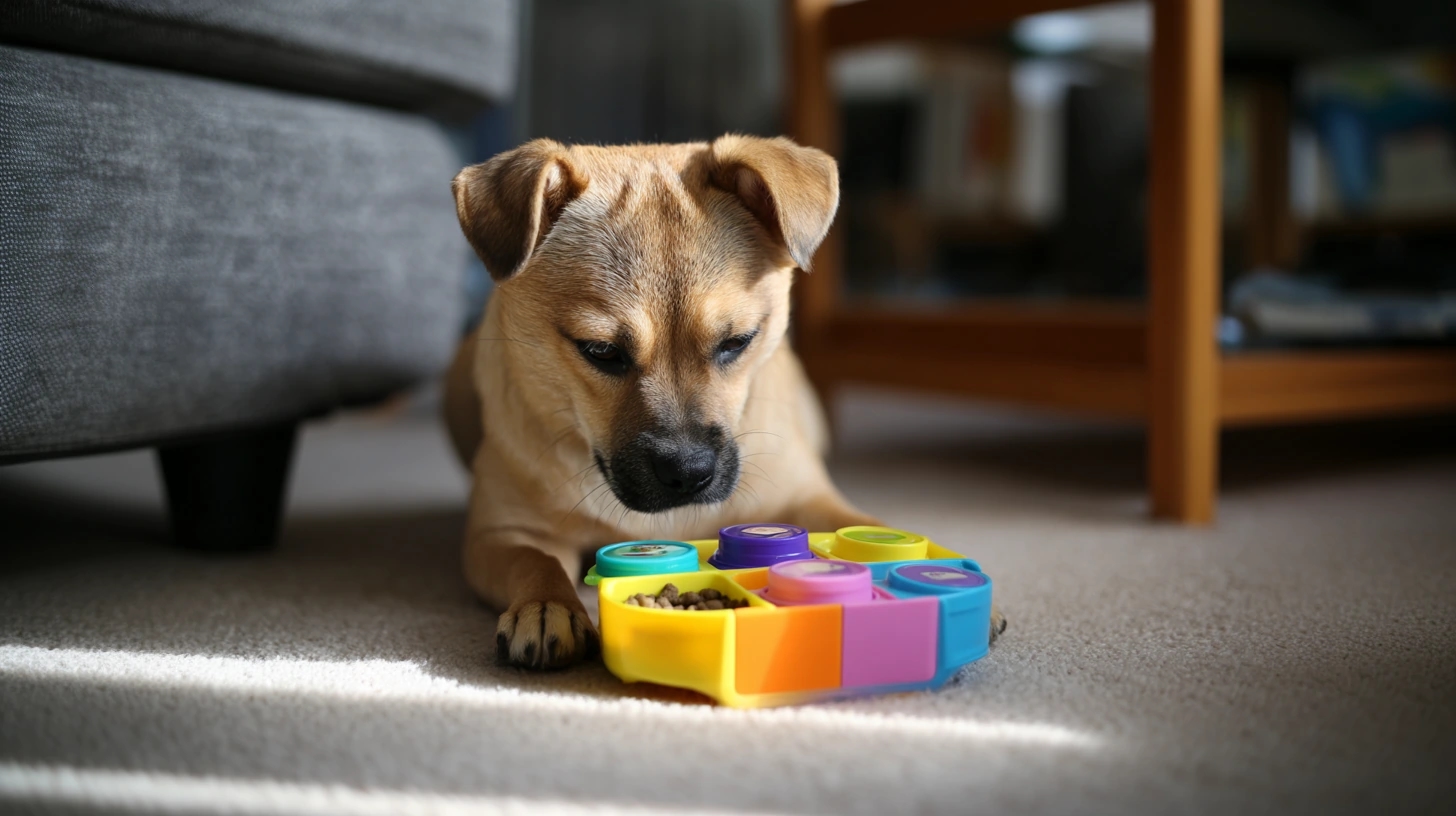
Shar-Peis need a moderate amount of exercise – typically around 30 minutes per day. This can be split into two short walks or a walk and some playtime. They are not a high-energy breed, but daily activity keeps them healthy. Mental stimulation (training games or puzzle toys) is also beneficial to prevent boredom.
Can first-time owners handle a Shar-Pei?
Shar-Peis can be challenging for new owners. They are intelligent but often independent and stubborn. First-time owners should commit to early training and socialization, using patient, positive methods. If you’re consistent and give strong leadership, even a first-timer can manage a Shar-Pei. Be aware of their health needs (wrinkle care, vet check-ups) and temperament, and you can raise a content, loyal companion.
References
- American Kennel Club – Chinese Shar-Pei
- VIDA Veterinary Care – Chinese Shar-Pei
- PetMD – Shar-Pei
- Neater Pets – Chinese Shar-Peis as Family Dogs
- Houndsy – Understanding Chinese Shar-Pei Health Problems: What Every Owner Should Know
- ASPCA – Cutting Pet Care Costs
- American Kennel Club – 7 Things You Didn’t Know About the Chinese Shar-Pei
Personality Profile
Find your perfect puppy pair!
Take our quick personality quiz to find the breeds that match your personality.
Start Quiz NowKey Traits
Temperament
affectionate
Reserved
Cuddly
energy Level
Calm Companion
High-Energy Dynamo
Social Behavior
good With Children
Best with Adults/Older Kids
Kid-Friendly
barking Level
Quiet-Natured
Talkative
Care & Maintenance
shedding Level
Light Shedder
Heavy Shedder
exercise Needs
Short Walks Enough
Needs Daily Workouts
Learning & Cognition
trainability
Independent Thinker
Eager Learner
mental Stimulation Needs
Content Relaxer
Needs Challenges
Breed Facts
Height
18-20 inches
Weight
45-60 pounds
Lifespan
8-12 years
Key Traits
You Might Also Like
Find Your Perfect Puppy Pair
Take our scientifically-backed personality quiz to discover which dog breeds align with your personality.
Start the Quiz