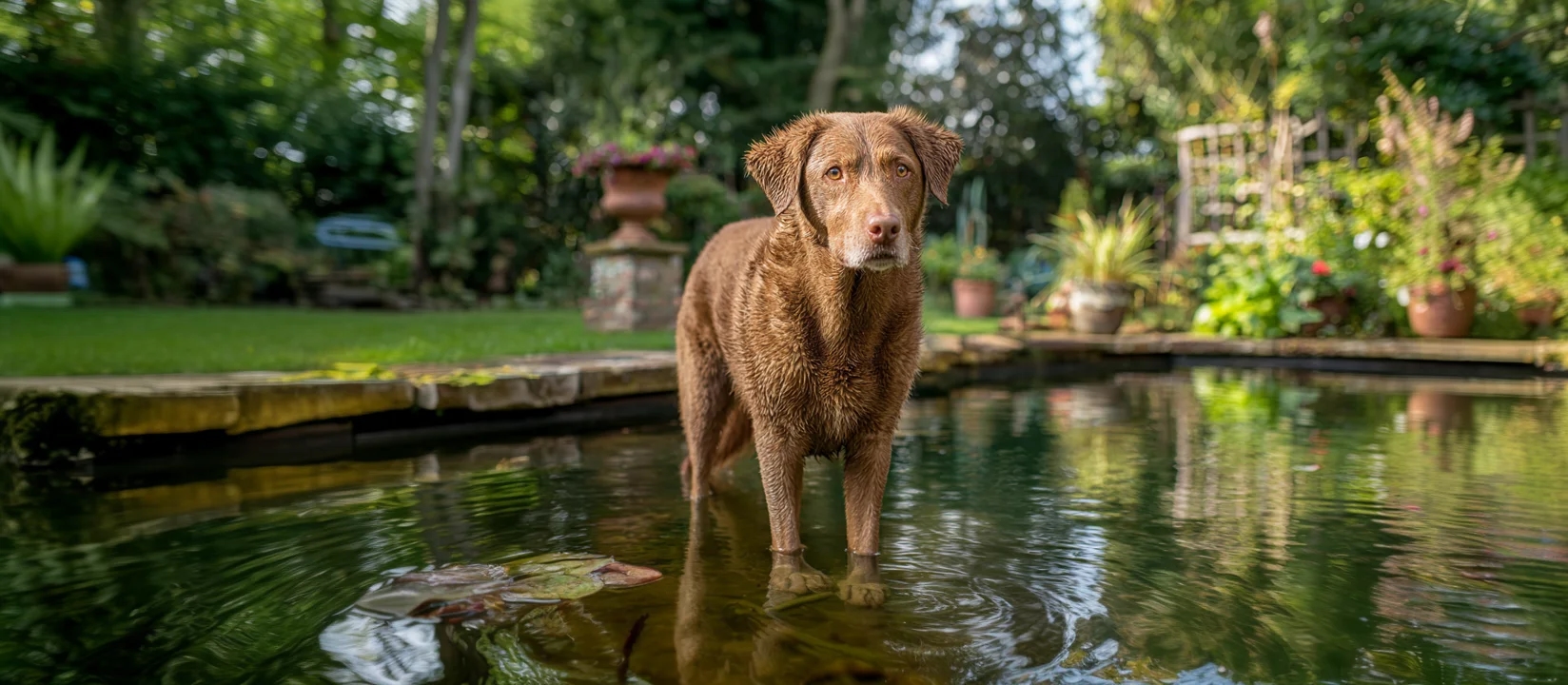
Chesapeake Bay Retriever
Breed Facts
Height
23-26 inches (male), 21-24 inches (female)
Weight
65-80 pounds (male), 55-70 pounds (female)
Lifespan
10-13 years
Key Traits
Overview
Strong, loyal retrievers with wavy coats and a determined, outdoorsy spirit. These intelligent, courageous dogs blend powerful work ethic with deep family devotion—perfect for active owners and hunters seeking a hardy, affectionate companion who thrives on adventure and close bonds.
Temperament & Personality
As you explore Chesapeake Bay Retriever breed information, you’ll find this breed is an enthusiastic, strong-willed companion with a big heart for their family. Chessies (as they’re nicknamed) are loyal and protective by nature – more so than many other retrievers. You can expect your Chesapeake to be affectionate and playful with those they love, forming tight bonds, especially with their primary owner. They often have a sense of humor and an independent streak, which gives them a proud, confident demeanor. With strangers, Chessies can be aloof or reserved; they’re not the type to indiscriminately befriend every newcomer (unlike the ever-gregarious Labrador). This wariness, combined with their protective instincts, can make them good watchdogs. Around children, a well-socialized Chesapeake is usually gentle and patient, though their boisterous energy means supervised playtime is important.
One thing you’ll quickly notice is the Chesapeake’s determination and intelligence. They learn quickly but may also try to test boundaries or do things on their own terms. This breed was bred to work in tough conditions, retrieving waterfowl from icy waters, and that rugged work ethic shows in their personality – they are bold, hardy, and sometimes stubborn. Despite their toughness, Chessies also have a sensitive side; they thrive on your approval and can be quite in-tune with your emotions. In summary, the Chesapeake Bay Retriever’s temperament is that of a devoted, adventurous partner who will stick by you, protect you, and happily join you in any outdoor fun – but they also expect mutual respect and clear leadership from their owner.
Care, Living Environment, & Grooming
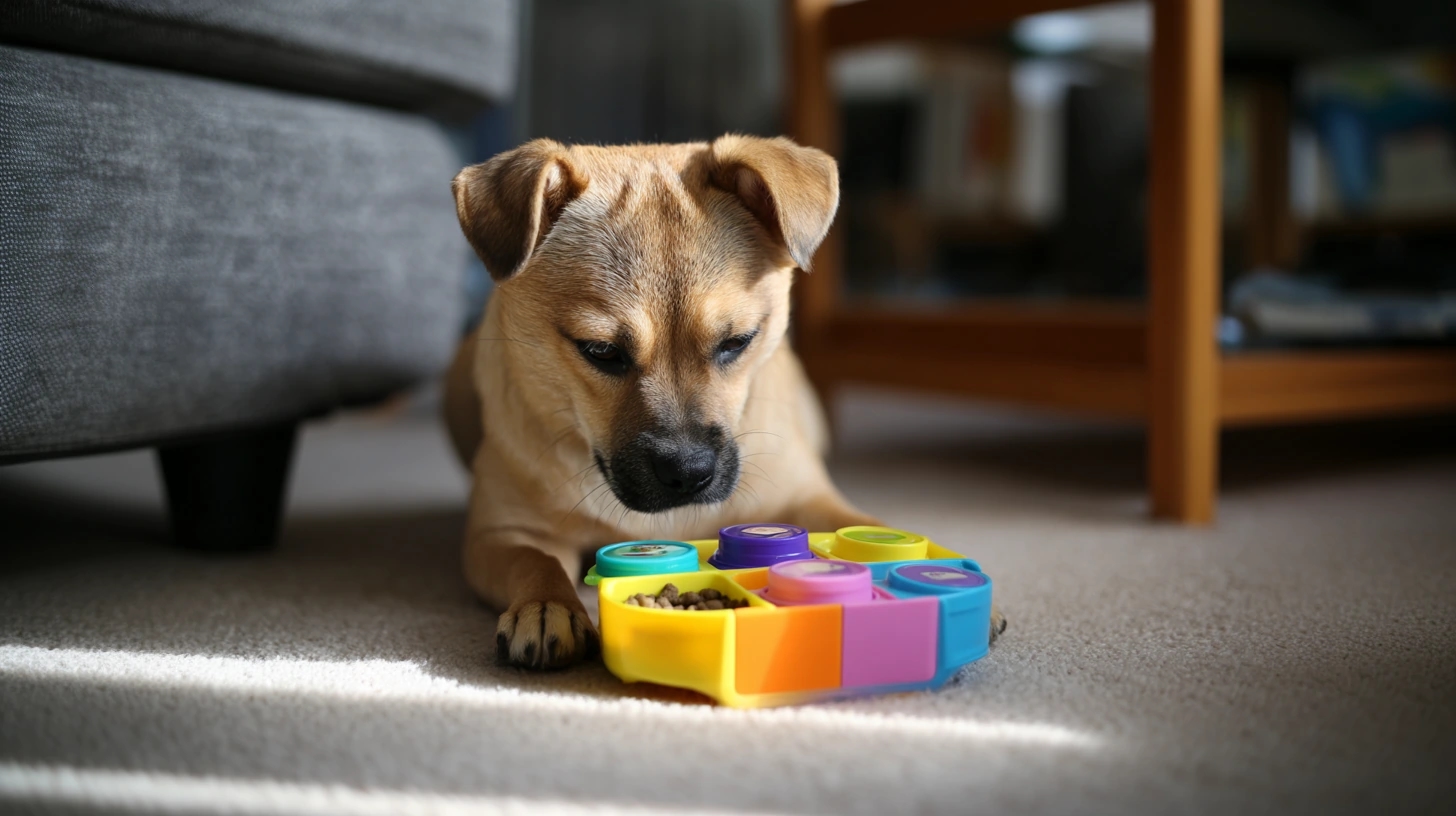
Caring for a Chesapeake Bay Retriever means meeting their high exercise needs and maintaining their unique coat. Bred as working retrievers, Chessies are happiest when they have a job or activity. Daily exercise is a must: plan on at least 60 minutes of vigorous activity per day. They love swimming and retrieving perhaps more than any other breed, so activities like fetch at the lake, dock diving, or even backyard hose play are big hits. Long hikes, jogging, or engaging games of frisbee will also help burn off their abundant energy. A bored or under-exercised Chessie can become restless or destructive, so be prepared to give them plenty of physical and mental stimulation (puzzle toys, training games, or even agility).
Living Environment: Chessies can live indoors and enjoy family life inside, but they definitely need access to the outdoors daily. Ideally, you have a secure fenced yard where your Chesapeake can romp safely. They handle cold weather extremely well (their oily double coat was made for freezing water and even allows them to break through ice!), so winter play outside is no problem. In hot weather, they can overheat if overworked, but generally do fine if they have water to cool off in. This breed is not well-suited to apartment living – their size, energy, and occasional tendency to voice their excitement (though they’re quieter than some breeds) make a larger space preferable. Chessies also form close bonds and don’t like to be isolated from their people; they should live primarily inside with the family, not kenneled outdoors full-time. Provide them with a comfy spot in the home (they love to stretch out on a cool floor or their own dog bed) and they’ll be content after a day’s adventures.
Grooming: One of the Chesapeake’s distinguishing features is their waterproof double coat. They have a dense, woolly undercoat and a harsh, oily outer coat with a slight wave. This coat lets them shake off water and stay warm – but it comes with special care considerations:
- Brushing: Chesapeakes are moderate shedders. They shed year-round with heavier shedding in spring/fall. Brush your Chessie about once a week (more during peak shedding) to remove loose fur and distribute skin oils. Their fur naturally repels dirt and water, so you’ll find they stay cleaner than expected after muddy play.
- Bathing: Avoid over-bathing a Chesapeake. Frequent baths can strip the coat’s oils that make it waterproof. Unless your dog gets into something truly dirty or smelly, bathing a few times a year is usually enough. When you do bathe, use a gentle, dog-formulated shampoo and make sure to dry them thoroughly, especially in cooler weather.
- Ear Care: Those drop ears should be checked and cleaned weekly, particularly since Chessies love water. Trapped moisture can lead to ear infections.
- Other Grooming: Trim their nails regularly (active Chessies may wear them down naturally, but check monthly). Brush their teeth a few times a week for good dental health. Unlike some retrievers, Chessies don’t usually have a strong “doggy odor,” but a slight oily smell to the coat is normal due to the natural oils.
By providing plenty of exercise, a suitable living environment, and minimal but mindful grooming, you’ll keep your Chesapeake Bay Retriever in top shape. These dogs are low-maintenance in coat care but high-maintenance in energy – an active lifestyle with your Chessie will ensure a happy, balanced dog.
Training & Socialization
Training a Chesapeake Bay Retriever is both a rewarding and at times challenging experience. On one hand, Chessies are bright and capable learners – they pick up new commands and skills quickly, especially when there’s a clear purpose to the training. On the other hand, they have a notoriously independent streak. Compared to the ultra-eager-to-please Labrador, for instance, the Chesapeake might ask, “What’s in it for me?” before complying. Consistency and confidence are key from your side. You’ll want to establish firm, fair rules early on, because a Chessie will certainly test boundaries as they mature.
Start training and socialization early in puppyhood. Expose your Chessie pup to different people, dogs, and environments often – this helps temper their natural aloofness with strangers and ensures they grow into a well-mannered adult. Puppy classes are a great idea, as they combine basic obedience with crucial socialization in a controlled setting.
When it comes to methods, positive reinforcement works best (think treats, toys, and praise). Chesapeake Bay Retrievers respond well to rewards, and many have a strong retrieving drive, so incorporating fetch as a reward can be very effective. They do not respond well to harsh punishment or forceful training – such approaches can make them shut down or even push back. Instead, keep training sessions upbeat and engaging. Be patient but stay firm: Chessies need to know you mean what you say, or they’ll try to take charge. For example, if your Chessie decides they don’t want to “stay,” you may need to calmly reinforce the command rather than giving up, as they’ll seize any inconsistency.
Socialization deserves emphasis with this breed’s protective tendencies. Regularly inviting friends over, going to dog-friendly stores or parks, and exposing your dog to various sights and sounds will help your Chesapeake distinguish between normal situations and truly suspicious ones. A well-socialized Chessie can be polite and calm in public and around guests, while still being a reliable guardian at home.
Lastly, give your Chesapeake jobs to do. They excel at advanced obedience, field work, agility, dock diving, and other sports. Training isn’t just about manners – it’s a way to channel their intelligence and energy. A Chessie that’s mentally stimulated is much less likely to exhibit stubborn or naughty behavior. With consistent training, early and ongoing socialization, and an outlet for their talents, your Chesapeake Bay Retriever will develop into the obedient (if sometimes headstrong) best friend you’re hoping for.
Health Considerations
Chesapeake Bay Retrievers are generally a hardy breed, but they do have some health issues to keep in mind. Being proactive with annual vet check-ups and maintaining a healthy lifestyle for your dog will go a long way. Here are some common health considerations for Chessies:
- Gastric Dilatation-Volvulus (Bloat): Like many deep-chested breeds, Chessies are at risk of bloat, where the stomach fills with gas and can twist on itself. This is a life-threatening emergency. To help prevent GDV, feed your Chesapeake 2–3 smaller meals per day instead of one big meal, and avoid vigorous exercise right around feeding times. Owners of high-risk breeds sometimes opt for a preventive surgery (gastropexy) during spay/neuter to secure the stomach in place.
- Hip Dysplasia: This is a hereditary condition where the hip joint is malformed and loose, leading to pain and arthritis over time. Responsible breeders screen for hip dysplasia, but it can still occur. Watching your Chessie’s weight and not over-exercising them during puppy growth can help reduce risk. Treatments range from joint supplements and anti-inflammatory medications to surgery in severe cases. Signs to watch for as your dog ages include stiffness, limping, or difficulty rising.
- Eye Disorders (PRA & Cataracts): Chesapeake Bay Retrievers can inherit Progressive Retinal Atrophy (PRA), a disease causing the retinal cells to degenerate, leading to gradual blindness by about 8–10 years of age. There’s no cure for PRA, but it can be tested for in breeding dogs. Cataracts are another concern – these cause cloudiness in the lens of the eye and can appear in senior Chessies (sometimes as a part of PRA, other times independently). The good news is cataracts often can be removed with surgery to restore vision. Keep an eye on your Chessie’s vision; if you notice them bumping into things or having trouble seeing in low light, get a veterinary ophthalmologist to check them.
- Exercise-Induced Collapse (EIC): This is a genetic neuromuscular condition seen in some retrievers (notably Labs, but also reported in Chessies) where dogs suddenly become weak or collapse after intense exercise. It typically lasts a few minutes and the dog recovers, but it can be scary. If your Chesapeake ever collapses or becomes wobbly after running, stop exercise and consult your vet. A DNA test is available for EIC to identify carriers. Most dogs with EIC can live normal lives with management (avoiding extreme bursts of exercise).
- Other Potential Issues: Hypothyroidism (low thyroid function) is seen in the breed and can cause weight gain and low energy – it’s treatable with daily medication. Elbow dysplasia and osteochondrosis (OCD), which affect the joints, can occur but are less common than hip issues. Regular vet visits and maintaining your Chessie at a lean, healthy weight can help catch or mitigate these problems early.
Many Chesapeake Bay Retrievers live long, healthy lives of 10–13 years. To stack the odds in your favor, obtain your puppy from a reputable breeder who health-tests for genetic diseases, keep up with routine vet care (including joint health monitoring as they age), and don’t hesitate to ask your vet about any changes in your dog’s behavior or mobility. With good care, your Chessie will be your hardy adventure buddy for years.
Cost of Ownership
Owning a Chesapeake Bay Retriever comes with financial responsibilities that new owners should prepare for. Initial costs for a Chesapeake puppy typically include the purchase price – which can range widely based on breeder reputation and bloodlines (often around $800–$1,500 for a pet-quality puppy, and higher for show or field trial lineages). Adopting from a rescue will cost much less (usually a few hundred dollars in adoption fees). In addition, you’ll need to stock up on puppy essentials: a crate, bedding, bowls, leash and collar, chew toys, and initial veterinary expenses (vaccinations, deworming, spay/neuter if not already done).
Food and routine care will be a significant ongoing expense. Chesapeake Bay Retrievers are large, athletic dogs with hearty appetites. Expect to feed a quality dog food formulated for active large breeds – which might mean 3–4 cups of kibble per day (or equivalent), depending on the food and your dog’s activity level. This adds up, so budget for a large bag or two of food each month. Routine vet care (annual exams, vaccines, flea/heartworm prevention) is standard for any dog, but note that medication dosages (and costs) for heartworm or flea preventatives are higher for dogs in the Chessie’s weight range (55–80 lbs).
Health care costs: While Chessies are relatively healthy, you should be financially prepared for the possibility of expensive treatments, especially as your dog ages. Issues like hip dysplasia or injuries (e.g., cruciate ligament tears from vigorous activity) can require surgery. Bloat is a sudden emergency that requires immediate (and costly) intervention. Many owners opt for pet insurance to help manage potential big expenses, or they maintain a dedicated savings fund for their pet’s medical needs.
Other ongoing costs include grooming and maintenance. The good news: Chessies don’t require professional grooming like a poodle or long-haired breed might. You’ll handle most grooming at home – brushing, nail trims, occasional baths. However, during heavy shedding seasons, a good de-shedding tool and vacuum will be your friends! You might spend on simple grooming tools or pay a groomer a small fee for nail trims if you prefer. Also consider training classes (especially in the first year) – enrolling in obedience or canine sports classes can cost a few hundred dollars but is a worthy investment for a well-behaved retriever.
Lastly, factor in the “extras” that come with an active, large dog lifestyle: a sturdy harness or training collar, life vests if you take them boating, higher doses of tick/flea prevention if you’re outdoors often, and perhaps repairs or cleaning supplies for the occasional chew damage or muddy paw prints in the house. Over a lifespan, a Chesapeake Bay Retriever’s total cost (including food, vet, gear, etc.) can easily reach into the tens of thousands of dollars, as one pet insurance study estimated (around $20k+ over 10+ years). Being financially ready ensures you can give your Chessie the care they deserve, from quality food to prompt medical attention. In return, you get an irreplaceable loyal friend and adventure companion.
Pros and Cons
Pros
- Loyal and Protective: Chesapeake Bay Retrievers form strong bonds with their families and will watch over home and hearth. They are devoted to “their people” and can be very affectionate and gentle with children in their own family. This loyalty, combined with natural bravery, makes them reliable watchdogs and companions.
- Great for Active Lifestyles: If you love the outdoors, a Chessie is ready to join. They love swimming, hunting, and hiking, and their endurance and strength are impressive. Their intelligence and athleticism also mean they excel in dog sports (obedience, agility, dock diving, etc.). An engaged Chessie can be a rewarding partner for an experienced owner looking for a working dog or active friend.
Cons
- Strong-Willed & Reserved: Chessies are not as universally friendly or easygoing as some other retrievers. They can be stubborn, independent, and aloof with strangers, which may pose challenges for inexperienced owners. You’ll need to invest time in training and socialization. They may not warmly welcome every guest, requiring management and proper introductions.
- High Exercise & Maintenance Needs: This breed demands plenty of exercise and mental stimulation – more than a casual walk around the block. Busy families or sedentary owners may struggle to meet a Chessie’s needs, potentially leading to behavior issues. Additionally, while grooming is moderate, they do shed seasonally and can leave your house sprinkled with dog hair. Their intense drive and energy mean they’re not a low-maintenance, couch-potato pet.
Fun Facts
- Maryland’s State Dog: The Chesapeake Bay Retriever is such a point of pride in its home region that it was declared the official state dog of Maryland in 1964.
- Originated from a Shipwreck: The breed’s foundation tale is quite dramatic – in 1807, two Newfoundland pups named Sailor and Canton were rescued from a shipwreck off the Maryland coast. These water-loving dogs were bred with local retrievers, coonhounds, and other dogs, eventually creating the Chessie we know today, renowned for its strength and love of water.
- The “Chessie Smile”: Chesapeake Bay Retrievers are known for a peculiar and endearing trait – some will “smile” by baring their front teeth in a grin when they’re happy. This is not a sign of aggression, but rather a unique expression of joy or excitement. It can be a hilarious sight for the uninitiated! Many Chessie owners cherish this quirky habit, often referred to as the “Chessie grin.”
- Hardy Water Dogs: A Chesapeake’s oily coat not only insulates against cold water, but also gives them a bit of a natural advantage – they can swim in frigid conditions that would stop other dogs. In historical accounts, Chessies have been noted to retrieve hundreds of ducks in a single day of hunting, showcasing their incredible stamina and determination.
Frequently Asked Questions
Are Chesapeake Bay Retrievers good family dogs?
Chesapeake Bay Retrievers can be excellent family dogs for active households. They are deeply loyal to their family and typically good with respectful children, especially when raised with them. Their protective nature means they’ll look out for your home and kids. However, they are large and energetic – playtime can get rowdy, so supervision with little ones is important. Early socialization and teaching kids how to interact with a dog will help ensure your Chessie becomes a loving family companion.
Do Chesapeake Bay Retrievers get along with other pets?
If properly socialized, many Chessies live peacefully with other dogs and even cats. They are not generally dog-aggressive, but some individuals (especially unneutered males) can be dominant. It helps to introduce a Chesapeake to other pets slowly and young, so they learn to accept them as part of the “family.” Keep in mind, Chessies were bred as hunting dogs – while they aren’t as predatory as some breeds, very small pets (like rabbits or guinea pigs) might trigger their prey drive. Always supervise initial interactions. With consistent socialization and training, a Chessie can learn to be polite with other dogs at the dog park and gentle with indoor feline friends, but each dog’s temperament will vary.
How much exercise does a Chesapeake Bay Retriever need?
Plenty! A Chesapeake is a high-energy sporting breed that needs rigorous daily exercise. Plan on at least an hour of physical activity every day. This could include brisk walks, running, hiking, or their favorite – swimming and fetching. These dogs were bred to work all day, so they thrive with tasks to do. Mental exercise is important too: training sessions, puzzle toys, or agility drills can tire out their mind. If a Chessie doesn’t get enough exercise and engagement, they may become bored and could chew things, dig, or find their own (undesirable) entertainment. In short, a tired Chessie is a happy Chessie, so be ready for an active lifestyle with this breed.
Are Chesapeake Bay Retrievers easy to train?
Yes and no. Chesapeake Bay Retrievers are very intelligent and capable of learning a wide array of commands and skills – in that sense, they can be easy to train because they catch on quickly. However, they also have an independent, sometimes stubborn streak. Unlike a Golden Retriever that might obey eagerly, a Chessie might pause and think, “Do I really want to do this?” They require a trainer (or owner) with patience, consistency, and a good sense of humor. Use positive reinforcement – make them think that training is a fun game and give rewards like treats or toss a favorite toy as a prize for doing well. Avoid harsh corrections; a Chessie will either become defiant or shut down if treated unfairly. With firm, fair, and fun training, a Chesapeake will show you just how smart they are. But novice owners should be prepared to put in the effort – these dogs do best with someone who has experience or is committed to learning about strong-willed breeds.
References
Personality Profile
Find your perfect puppy pair!
Take our quick personality quiz to find the breeds that match your personality.
Start Quiz NowKey Traits
Temperament
affectionate
Reserved
Cuddly
energy Level
Calm Companion
High-Energy Dynamo
Social Behavior
good With Children
Best with Adults/Older Kids
Kid-Friendly
barking Level
Quiet-Natured
Talkative
Care & Maintenance
shedding Level
Light Shedder
Heavy Shedder
exercise Needs
Short Walks Enough
Needs Daily Workouts
Learning & Cognition
trainability
Independent Thinker
Eager Learner
mental Stimulation Needs
Content Relaxer
Needs Challenges
Breed Facts
Height
23-26 inches (male), 21-24 inches (female)
Weight
65-80 pounds (male), 55-70 pounds (female)
Lifespan
10-13 years
Key Traits
You Might Also Like
Find Your Perfect Puppy Pair
Take our scientifically-backed personality quiz to discover which dog breeds align with your personality.
Start the Quiz