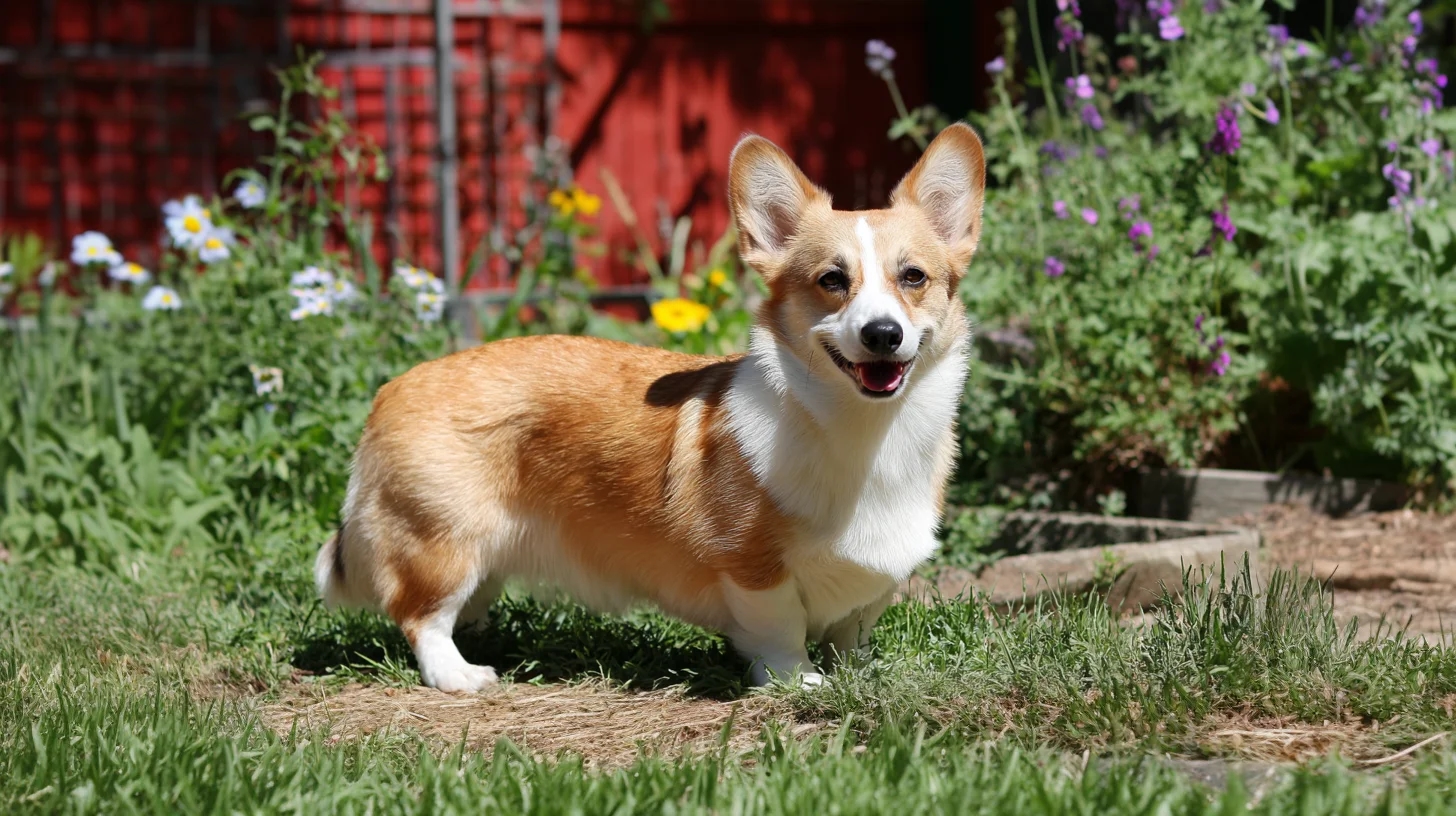
Cardigan Welsh Corgi
Breed Facts
Height
10.5-12.5 inches
Weight
30-38 pounds (male), 25-34 pounds (female)
Lifespan
12-15 years
Key Traits
Overview
Loyal, spirited herders with long bodies, big ears, and an affectionate heart. These intelligent, versatile dogs blend playful energy with devoted companionship—perfect for families and individuals seeking a cheerful, sturdy friend who thrives on activity, close bonds, and a touch of mischief.
Temperament & Personality
You'll find the Cardigan Welsh Corgi to be an even-tempered, loyal, and deeply devoted companion. They form powerful bonds with their families, whom they often view as their "flock" to be watched over and managed. This loyalty is paired with a sharp intelligence; they are quick-witted dogs capable of both speed and endurance, always ready for an adventure.
As a historic herding breed, your Cardi possesses a significant amount of energy that needs a constructive outlet. Without sufficient physical exercise and mental stimulation, their clever mind can lead to mischief and destructive behaviors. While affectionate with their family, they can be reserved or cautious around strangers at first, a remnant of their history as farm guardians.
Cardigans are generally good with children, especially older ones who know how to interact with a dog respectfully. However, their herding instinct is strong and may compel them to nip at the heels of running children in an attempt to "herd" them. This behavior must be managed with training from puppyhood to ensure it doesn't evolve into a territorial issue.
Care, Living Environment, & Grooming
Caring for a Cardigan Welsh Corgi involves a commitment to consistent exercise, careful diet management, and regular grooming to maintain their signature coat. Their needs are shaped by their working heritage and unique physical structure.
Your Cardigan will require regular, structured exercise to stay happy and healthy. Plan on two to three walks per day, supplemented with active playtime like fetch. This not only burns physical energy but also provides the mental stimulation this intelligent breed craves. Cardigans have a hearty appetite and are prone to obesity, which can put dangerous strain on their long back. It's vital to feed portion-controlled meals of a high-quality diet and resist the temptation to over-treat.
Despite their energy, Cardigans are highly adaptable and can live happily in various environments, from a city apartment to a country ranch, as long as their exercise needs are met. Their long, low body, a hallmark of the breed, means you may need to provide ramps or steps to help them access furniture or vehicles, especially as they age, to protect their spine. Their weather-resistant double coat makes them quite hardy, though dogs with darker coats may need extra shade and water on hot, sunny days.
Grooming is a significant part of Cardi care. They possess a thick double coat: a soft, dense undercoat for insulation and a slightly harsh, longer outer coat for weather protection. This coat sheds—a lot. They shed continuously year-round and will "blow" their undercoat twice a year, resulting in a flurry of fur. Regular grooming is not about aesthetics but about maintaining the health and function of this protective coat.
Weekly Tasks
- Brush your Cardi's coat thoroughly with a pin brush or undercoat rake at least two to three times a week to control shedding and prevent mats. Pay special attention to the thicker hair of the ruff around their neck and the "pants" on their hindquarters.
- Brush your dog's teeth daily. Cardigans are prone to dental disease, and good oral hygiene is essential for their overall health and longevity.
- Check and clean their ears to prevent infections.
As-Needed / Monthly Tasks
- Bathe your Cardigan only when necessary. Too-frequent washing can strip the coat of its natural, water-resistant oils.
- Trim their nails regularly, including the dewclaws, to prevent discomfort and foot problems.
- Trim the hair between their paw pads to prevent them from tracking in dirt and debris.
Training & Socialization
The Cardigan Welsh Corgi's intelligence makes them a highly trainable partner, but their deep-seated herding instincts require a knowledgeable and proactive approach from their owner. Success in training comes from understanding and redirecting their natural drives, not trying to suppress them.
Your Cardi will learn quickly and excels in canine sports like agility, obedience, and, of course, herding. They respond best to positive reinforcement training methods that use praise, toys, and food as rewards. A firm, consistent, but always friendly approach will build a strong bond of trust. Harsh corrections are ineffective and can damage your relationship with this sensitive breed.
The most common training challenge is managing their herding instinct, which often manifests as nipping at the heels of people or other pets. It is crucial to understand that this is an innate behavior, not a sign of aggression. The goal is not to punish the instinct but to manage the behavior it produces. Redirect this tendency from a young age by teaching commands like "leave it" and providing appropriate outlets for their energy and intelligence, such as puzzle toys or games of fetch.
Early and thorough socialization is absolutely essential for a well-rounded Cardigan. From puppyhood, expose your dog to a wide variety of sights, sounds, people, and other animals in a positive and controlled manner. This will help them grow into a confident adult who is less prone to the breed's natural wariness of strangers.
Health Considerations
The Cardigan Welsh Corgi is a generally robust breed with an average lifespan of 12 to 15 years. However, their distinctive body shape—a form of achondroplasia (dwarfism) characterized by a long spine and short legs—makes them genetically susceptible to certain health conditions. Understanding that their unique anatomy is the source of their most significant health risk is fundamental to responsible ownership.
Preventative care, especially maintaining a lean body weight and avoiding high-impact activities like jumping from heights, is critical to protecting their spinal health throughout their life. Reputable breeders will screen their breeding stock for known genetic issues. Key health concerns include:
- Intervertebral Disc Disease (IVDD): This is the most significant health risk for the breed. Due to their long back, the discs between the vertebrae can degenerate and rupture, pressing on the spinal cord. This can cause severe pain, nerve damage, and even paralysis. The lifetime risk is notable, with treatment costs ranging from $2,500 to over $7,000.
- Progressive Retinal Atrophy (PRA): An inherited eye disease that causes a gradual loss of vision, eventually leading to blindness. A reliable DNA test is available, and responsible breeders should be able to provide clearance for their dogs.
- Hip Dysplasia: An abnormal formation of the hip socket that can cause pain and arthritis. While often associated with larger breeds, it is a concern in Cardigans.
- Degenerative Myelopathy (DM): A progressive neurological disease affecting the spinal cord in older dogs. It leads to hind limb weakness and eventual paralysis. A DNA test can identify dogs who are at risk or carriers of the gene.
- Other Eye Conditions: Cardigans can also be affected by cataracts and Primary Lens Luxation (PLL), where the lens of the eye becomes displaced.
The Cardigan Welsh Corgi Club of America recommends that breeders participate in the Canine Health Information Center (CHIC) program, which involves screening for hip dysplasia, eye conditions, and DNA testing for PRA and DM.
Cost of Ownership
Owning a Cardigan Welsh Corgi involves a moderate annual financial commitment, with an average cost of around $1,800 per year. However, this figure represents routine expenses, and prospective owners must also plan for the possibility of significant veterinary bills related to the breed's hereditary health conditions.
A typical annual budget can be broken down as follows:
- Food: Approximately $300 to $400 for a high-quality kibble that will keep your active Cardi in good condition without contributing to weight gain.
- Routine Veterinary Care: Budget between $700 and $1,200 for annual exams, vaccinations, and essential parasite prevention (flea, tick, and heartworm).
- Grooming: Around $240 to $350 annually. This can cover professional grooming sessions or the purchase of high-quality brushes, rakes, nail clippers, and dog-specific toothpaste for at-home care.
- Pet Insurance: While a monthly expense, pet insurance is a crucial tool for managing financial risk. A policy can help offset the potentially high cost of treating an emergency or a hereditary condition like IVDD, which can run into thousands of dollars.
Be prepared for higher costs in the first year, which will include the puppy's purchase price (often $500 to $3,000 from a reputable breeder), initial supplies, and a series of puppy vaccinations.
Pros and Cons
Pros
- Highly intelligent, trainable, and eager to partner with you
- Deeply loyal and affectionate with their family
- Adaptable to various living situations, including apartments
- Sturdy and athletic "big dog" in a compact package
- Unique and charming appearance with a rich history
Cons
- Requires significant daily exercise and mental stimulation
- Genetically prone to serious and expensive back problems (IVDD)
- Sheds heavily year-round and requires constant grooming
- Innate herding instincts can lead to nipping behavior
- Can be quite vocal and prone to barking
Fun Facts
- The Cardigan is one of the oldest of all British dog breeds, with their ancestors having arrived in Wales with Celtic tribes more than 3,000 years ago.
- One of their traditional nicknames is the Welsh "ci-llathed" or "yard-long dog." This refers to the old Welsh yard (36 inches), which was roughly the distance from the tip of a Cardi's nose to the tip of its long tail.
- The Cardigan is the original Corgi. The more widely known Pembroke Welsh Corgi was developed later from crosses with Spitz-type dogs brought to Wales by Flemish weavers.
Frequently Asked Questions
Do Cardigan Welsh Corgis shed a lot?
Yes, Cardigan Welsh Corgis are heavy shedders. They have a thick double coat that sheds moderately all year and heavily twice a year during seasonal changes. Regular brushing several times a week is necessary to manage the loose fur.
Are Cardigan Welsh Corgis good apartment dogs?
They can be. Cardigans are adaptable and can live happily in an apartment, provided you are committed to meeting their significant daily exercise and mental stimulation needs. Without enough activity, they can become bored and destructive in a small space.
How much exercise does a Cardigan Welsh Corgi need?
A Cardigan needs consistent daily exercise. Aim for at least two to three walks a day, plus some vigorous playtime. As an intelligent herding breed, they thrive on activity and having a "job" to do, even if it's just a game of fetch.
Can first-time owners handle a Cardigan Welsh Corgi?
A dedicated first-time owner can be successful with a Cardigan, but it requires research and commitment. You must be prepared to manage their high energy, provide consistent positive training to curb herding behaviors, and be vigilant about their health, especially their back.
References
Personality Profile
Find your perfect puppy pair!
Take our quick personality quiz to find the breeds that match your personality.
Start Quiz NowKey Traits
Temperament
affectionate
Reserved
Cuddly
energy Level
Calm Companion
High-Energy Dynamo
Social Behavior
good With Children
Best with Adults/Older Kids
Kid-Friendly
barking Level
Quiet-Natured
Talkative
Care & Maintenance
shedding Level
Light Shedder
Heavy Shedder
exercise Needs
Short Walks Enough
Needs Daily Workouts
Learning & Cognition
trainability
Independent Thinker
Eager Learner
mental Stimulation Needs
Content Relaxer
Needs Challenges
Breed Facts
Height
10.5-12.5 inches
Weight
30-38 pounds (male), 25-34 pounds (female)
Lifespan
12-15 years
Key Traits
You Might Also Like


Find Your Perfect Puppy Pair
Take our scientifically-backed personality quiz to discover which dog breeds align with your personality.
Start the Quiz