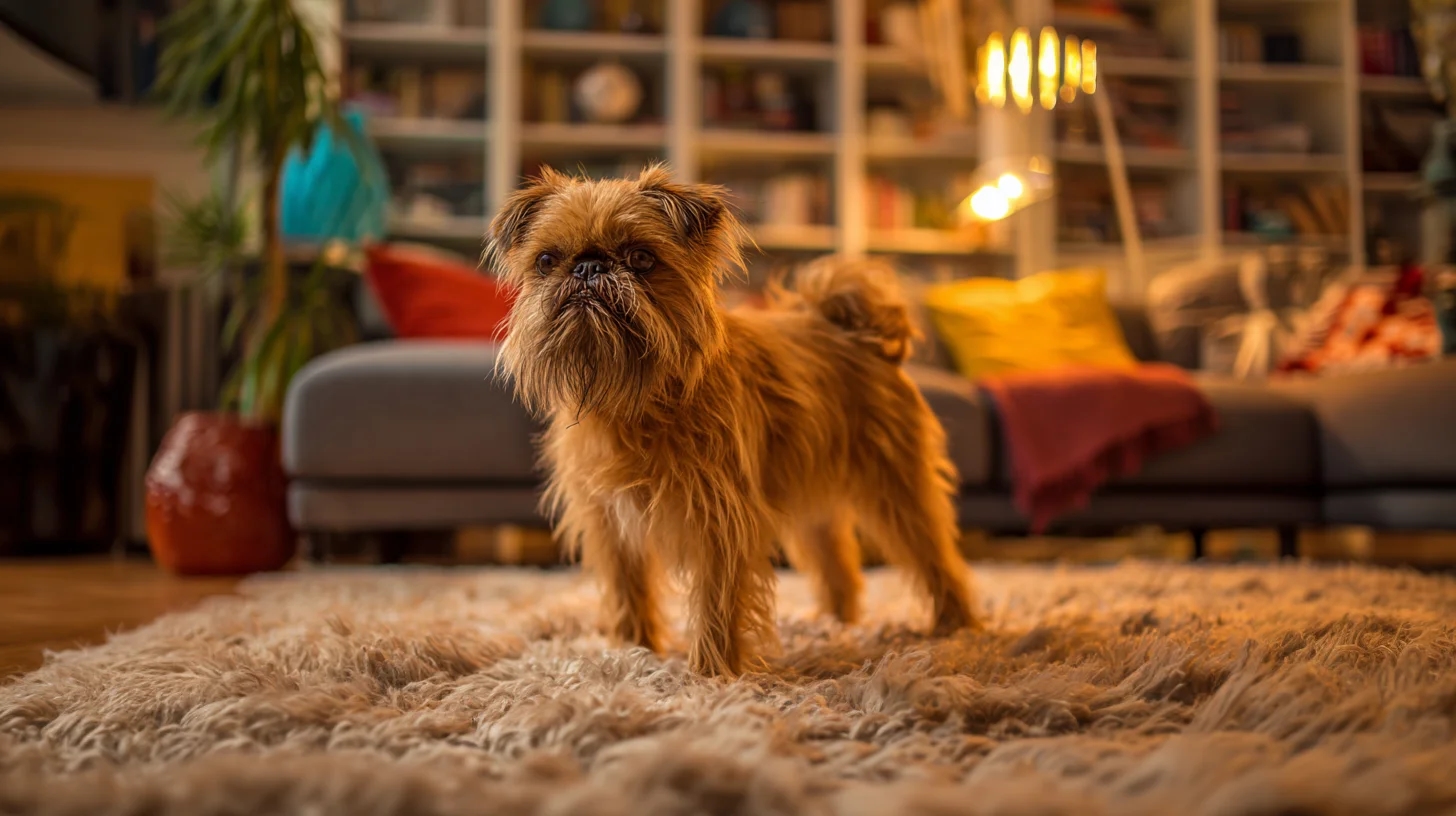
Brussels Griffon
Breed Facts
Height
7-8 inches
Weight
6-10 pounds
Lifespan
12-15 years
Key Traits
Overview
Expressive, charming companions with adorable faces and big, lively personalities. These sensitive, affectionate dogs blend playful mischief with deep devotion—perfect for individuals and families seeking a quirky, loving friend who thrives on close bonds and loves to be the center of attention.
Temperament & Personality
Brussels Griffons are known for their big personalities in a tiny package. They’re intelligent, alert, and affectionate, often following their favorite person everywhere. Griffons usually get along with children, other dogs, and cats, but they can be sensitive; new situations or strangers may make them shy or vocal. They have a medium energy level – about 20–30 minutes of play or walking each day keeps them happy.
Care, Living Environment & Grooming
Brussels Griffons adapt well to apartment life as long as they get daily exercise and human companionship. Like other flat-faced breeds, they can overheat easily, so limit exercise in hot weather. They come in two coat varieties: smooth (short, glossy) and rough (wiry, with a beard). The smooth-coated Griffon sheds moderately and only needs brushing about once a week. Rough-coated Griffons require professional grooming every 4–8 weeks, plus weekly brushing to prevent mats.
- Daily: Wipe face folds; play or take a brief walk.
- Weekly: Brush smooth coats; brush and comb rough coats; check ears and trim nails.
- Every 1–2 months: Take rough-coated Griffons to a groomer for trimming.
Keep your Griffon in a comfortable indoor climate, as they don’t tolerate high heat well.
Training & Socialization
Griffons are smart and form strong bonds with their owners, which makes them generally eager to learn. Positive reinforcement (treats, praise) works best, since they are sensitive to harsh correction. Early socialization and training classes help ensure a well-rounded, confident dog. Many Griffons enjoy learning tricks or agility, but be prepared to be patient during house-training, as toy breeds often take longer.
Health Considerations
Brussels Griffons generally live about 13–14 years. Recommended health screenings include hip and knee evaluations and eye exams. Common health concerns include:
- Patellar luxation: kneecap slipping out of place.
- Hip dysplasia: poorly formed hip joints.
- Eye issues: prone to cataracts and Progressive Retinal Atrophy (PRA).
- Dental disease: crowded teeth lead to tartar buildup.
Because they’re flat-faced, Griffons may also have breathing difficulties. Regular vet visits should include heart and eye checks.
Cost of Ownership
A Brussels Griffon’s annual care costs run similar to other small breeds (around $1,800/year). Main costs include:
- Food & treats: ~$300–400/year (small-breed food).
- Vet care: ~$400–500/year (annual exams, shots, dental).
- Grooming: ~$100–300/year (smooth coats need minimal; rough coats require trims).
- Insurance/Savings: ~$300–500/year (for emergencies or pet insurance).
Initial puppy costs (spay/neuter, training, supplies) make the first year higher.
Pros and Cons
Pros
- Affectionate “Velcro dog” that bonds deeply with people.
- Small size and moderate activity needs (fits apartment life).
- Generally good with family members and children.
- Playful and curious; can excel in tricks and agility.
Cons
- Can suffer from separation anxiety if left alone.
- Potty training may take time and patience.
- Rough coats require frequent professional grooming.
- May bark at noises or strangers.
- Sensitive to heat and air quality (due to flat face).
Fun Facts
Brussels Griffons descend from 19th-century Belgian stable dogs (Smousje) crossed with toy spaniels. Queen Marie Henriette of Belgium loved these dogs and even bred and showed them, which increased their popularity in the 1800s. One famous Griffon (named Molly) co-starred with Jack Nicholson in the movie “As Good as It Gets”.
Frequently Asked Questions
Do Brussels Griffons shed a lot?
Smooth-coated Griffons shed a moderate amount and benefit from weekly brushing. Rough-coated Griffons shed very little, but their wiry coat needs weekly brushing and professional trims to manage any loose hair.
Are Brussels Griffons good apartment dogs?
Yes. Their small size and moderate energy mean they do well in apartments. Daily walks or play sessions meet their exercise needs, and they love being indoors with the family. Avoid keeping them in very hot or poorly ventilated homes.
How much exercise does a Brussels Griffon need?
Not much. Around 20–30 minutes of moderate activity per day is usually sufficient. Short walks, indoor play, and brief excursions are enough. As flat-faced dogs, they should not be over-exercised in heat.
Can first-time owners handle a Brussels Griffon?
Generally, yes. Griffons are eager to please and adapt well when trained with consistency and kindness. They do require attention and patience (especially with house-training), so first-time owners should be prepared for regular grooming and training sessions. With the right dedication, Griffons make loving companions even for new owners.
References
Personality Profile
Find your perfect puppy pair!
Take our quick personality quiz to find the breeds that match your personality.
Start Quiz NowKey Traits
Temperament
affectionate
Reserved
Cuddly
energy Level
Calm Companion
High-Energy Dynamo
Social Behavior
good With Children
Best with Adults/Older Kids
Kid-Friendly
barking Level
Quiet-Natured
Talkative
Care & Maintenance
shedding Level
Light Shedder
Heavy Shedder
exercise Needs
Short Walks Enough
Needs Daily Workouts
Learning & Cognition
trainability
Independent Thinker
Eager Learner
mental Stimulation Needs
Content Relaxer
Needs Challenges
Breed Facts
Height
7-8 inches
Weight
6-10 pounds
Lifespan
12-15 years
Key Traits
You Might Also Like
Find Your Perfect Puppy Pair
Take our scientifically-backed personality quiz to discover which dog breeds align with your personality.
Start the Quiz