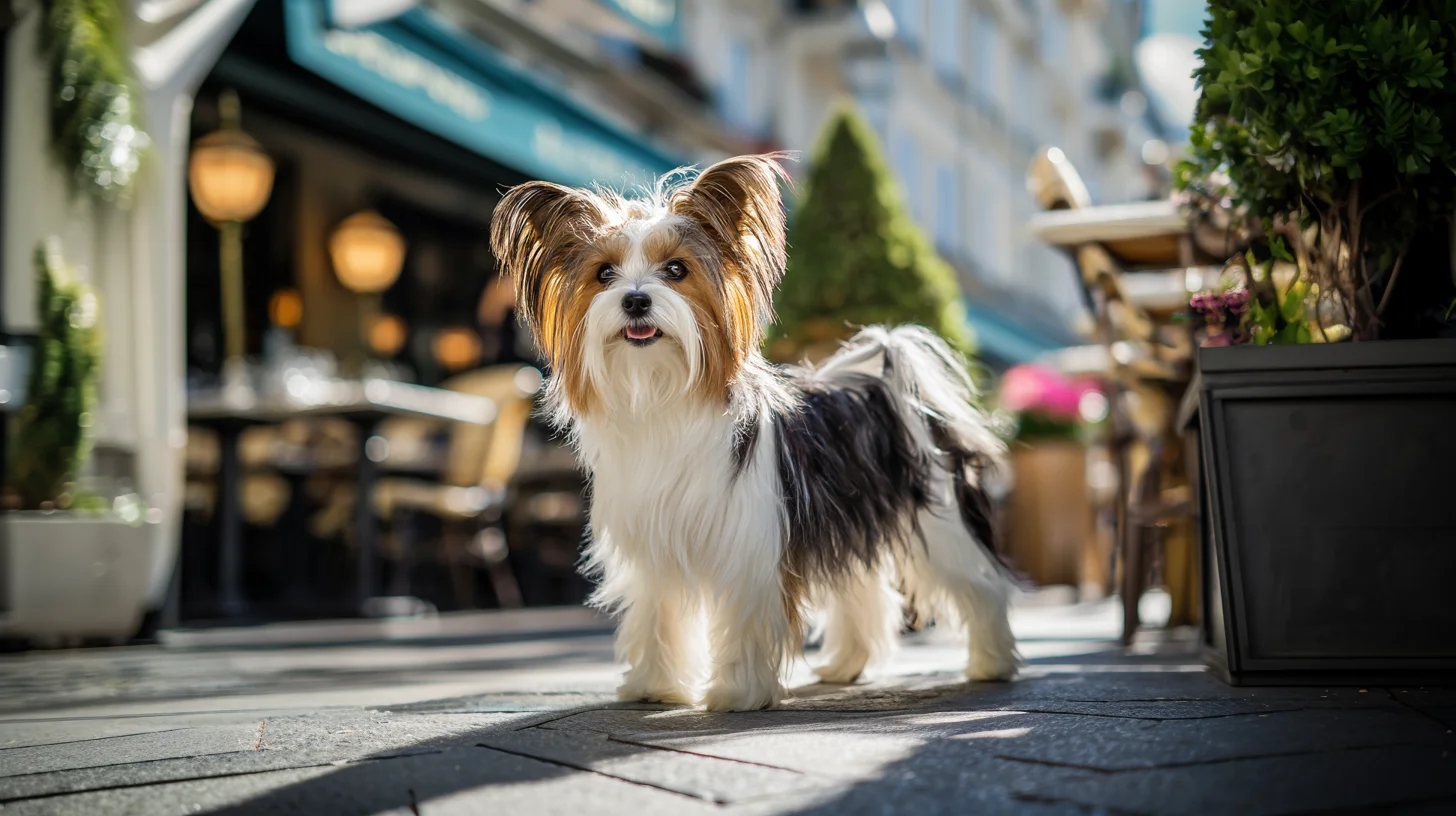
Biewer Terrier
Breed Facts
Height
7-11 inches
Weight
4-8 pounds
Lifespan
16 years (approx.)
Key Traits
Overview
Cheerful, elegant companions with flowing tri-color coats and a playful, affectionate spirit. These lively, charming dogs blend joyful energy with deep devotion—perfect for individuals and families seeking a glamorous, loving friend who adores close bonds, entertaining antics, and being the center of attention.
Temperament & Personality
You'll find the Biewer Terrier (pronounced "beaver") to be an exceptionally affectionate, loyal, and good-natured companion. They thrive on human interaction and often form a deep bond with their families, happily following you from room to room. This devotion can sometimes lead to separation anxiety if they are left alone for long stretches.
The breed standard describes their disposition as having a "fun-loving, childlike attitude," which they maintain well into adulthood. It's common to see your Biewer Terrier trotting around with a favorite toy in its mouth, ready for a game at a moment's notice. They have a moderate energy level; they are playful and lively but don't require overly strenuous exercise to be content.
Biewers are generally friendly toward strangers and get along well with other pets, including cats and other dogs, especially when socialized from an early age. They are also good with children, but because of their tiny 4 to 8-pound frame, all interactions with young kids must be closely supervised to prevent accidental injury to the dog.
Care, Living Environment, & Grooming
Your Biewer Terrier's daily care routine is manageable but requires consistency, especially when it comes to grooming. Their beautiful, silky coat is a hallmark of the breed, but it demands attention to stay healthy and free of tangles.
These little dogs are highly adaptable and are perfectly suited for apartment living, as long as their exercise needs are met. About 30 minutes of activity per day, such as a couple of brisk walks and some indoor playtime, is typically enough to keep them happy. Always use a harness instead of a collar for walks to protect their delicate trachea. Due to their small size and single coat, they are not well-suited for cold climates and will need a sweater or coat in chilly weather.
The Biewer Terrier coat is low-shedding but high-maintenance. If you keep the coat long, it requires daily brushing to prevent painful mats. Many pet owners opt for a shorter "puppy cut," which simplifies daily care but requires trips to a professional groomer every four to six weeks.
Your grooming schedule will include several key tasks:
- Daily: Gently brush the entire coat, misting it lightly with a conditioning spray to prevent hair breakage. Use a fine-toothed comb to clean any discharge from around the eyes.
- Weekly: Bathe your Biewer Terrier as needed, which can be as often as once a week. After the bath is a good time to trim their nails. You should also brush their teeth daily to prevent dental problems, which are common in toy breeds.
- As Needed: The hair on the top third of the ears should be trimmed to ensure they stand erect. You will also need to perform sanitary trims around the rectum and trim the hair between their paw pads.
Training & Socialization
Training your Biewer Terrier can be a delightful experience, as they are intelligent, eager to please, and respond exceptionally well to positive reinforcement methods. Using treats, praise, and fun games will motivate your dog and strengthen your bond. While they are quick learners, they can sometimes exhibit a stubborn terrier streak, so patience and consistency are your most important tools.
Despite their refined appearance, Biewers retain a curious terrier nature and may have an instinct to chase small things, so keeping them on a leash during walks is essential for their safety.
Early and ongoing socialization is critical for this breed. Starting from the moment you bring your puppy home, you should begin introducing them to a wide variety of people, sounds, places, and other animals in a controlled and positive manner. Proper socialization helps build a confident, well-adjusted adult and prevents the development of fear-based behaviors sometimes seen in smaller breeds. Enrolling in a puppy obedience class is an excellent way to guide this process.
Health Considerations
The Biewer Terrier is a generally healthy and hearty breed with an impressive lifespan of approximately 16 years. Like all purebred dogs, and especially toy breeds, they are predisposed to certain genetic health conditions. Choosing a reputable breeder who performs health screenings on their breeding stock can help minimize these risks.
Be aware of the following potential health issues in the Biewer Terrier:
- Tracheal Collapse: A condition where the windpipe cartilage weakens, causing a "goose-honk" cough. Using a harness instead of a collar is essential to prevent pressure on the neck.
- Patellar Luxation: A common problem in small dogs where the kneecap slips out of place. Severe cases may require surgery.
- Portosystemic Shunt (Liver Shunt): A congenital blood vessel abnormality that allows blood to bypass the liver. This can lead to a buildup of toxins and may require surgical correction.
- Bladder Stones: Some Biewers are prone to forming mineral stones in their bladder, which can be managed with a special diet and veterinary care.
- Dental Issues: Due to their small mouths, they are susceptible to retained baby teeth, overcrowding, and periodontal disease. Diligent daily dental care is crucial.
- Hypoglycemia: Dangerously low blood sugar can affect puppies. It is managed by feeding them small, frequent meals throughout the day.
Cost of Ownership
Owning a Biewer Terrier is a significant financial commitment, beginning with a high initial purchase price. Puppies from reputable breeders typically cost between $2,500 and $5,000, reflecting the breed's rarity and the breeder's investment in health and care.
Beyond the initial price, you can expect an average annual cost of around $1,800. This figure can be broken down into several categories:
- Food and treats: About $400 per year for high-quality food suited to their sensitive digestive systems
- Routine veterinary care: Around $500 annually for check-ups and parasite prevention
- Professional grooming: Often the largest recurring expense at $600 or more annually
- Insurance and supplies: Pet insurance, toys, and other supplies add another $300+ to the yearly total
Pros and Cons
Pros
- Exceptionally affectionate and loyal companion
- Low-shedding, "hypoallergenic" coat
- Adaptable to apartment living
- Intelligent and generally easy to train
- Good with other pets when socialized
Cons
- High-maintenance grooming requirements
- High initial purchase price
- Prone to separation anxiety if left alone
- Can have a stubborn terrier streak
- Physically fragile and requires careful handling
Fun Facts
- The Biewer Terrier's name is pronounced "beaver," after Werner and Gertrud Biewer, the German couple who developed the breed.
- In a historic first, the Biewer Terrier was recognized as a purebred through a scientific genetic study rather than relying solely on traditional pedigree records.
- Its original full name, Biewer Yorkshire Terrier à la Pom Pon, was partly inspired by a German singer who described the puppy's coat as looking like a "colorful ball of yarn".
Frequently Asked Questions
Do Biewer Terriers shed a lot?
No, Biewer Terriers have a single, hair-like coat that sheds very little, making them a popular choice for individuals with allergies. This low-shedding quality, however, comes with the need for daily brushing to prevent mats and keep the coat healthy.
Are Biewer Terriers good apartment dogs?
Yes, their small size and moderate energy levels make them excellent dogs for apartment living. They are quite active indoors and do not require a large yard, as long as they receive daily walks and dedicated playtime for exercise.
How much exercise does a Biewer Terrier need?
A Biewer Terrier typically needs about 30 minutes of exercise each day. This can be easily achieved with a couple of brisk walks around the neighborhood combined with indoor activities like fetch, puzzle toys, or learning new tricks.
Can first-time owners handle a Biewer Terrier?
Yes, a Biewer Terrier can be a wonderful choice for a dedicated first-time owner. Their intelligence and loving nature make them highly trainable, but prospective owners must be fully prepared for the significant commitment to daily grooming and consistent, patient training.
References
Personality Profile
Find your perfect puppy pair!
Take our quick personality quiz to find the breeds that match your personality.
Start Quiz NowKey Traits
Temperament
affectionate
Reserved
Cuddly
energy Level
Calm Companion
High-Energy Dynamo
Social Behavior
good With Children
Best with Adults/Older Kids
Kid-Friendly
barking Level
Quiet-Natured
Talkative
Care & Maintenance
shedding Level
Light Shedder
Heavy Shedder
exercise Needs
Short Walks Enough
Needs Daily Workouts
Learning & Cognition
trainability
Independent Thinker
Eager Learner
mental Stimulation Needs
Content Relaxer
Needs Challenges
Breed Facts
Height
7-11 inches
Weight
4-8 pounds
Lifespan
16 years (approx.)
Key Traits
You Might Also Like

Find Your Perfect Puppy Pair
Take our scientifically-backed personality quiz to discover which dog breeds align with your personality.
Start the Quiz