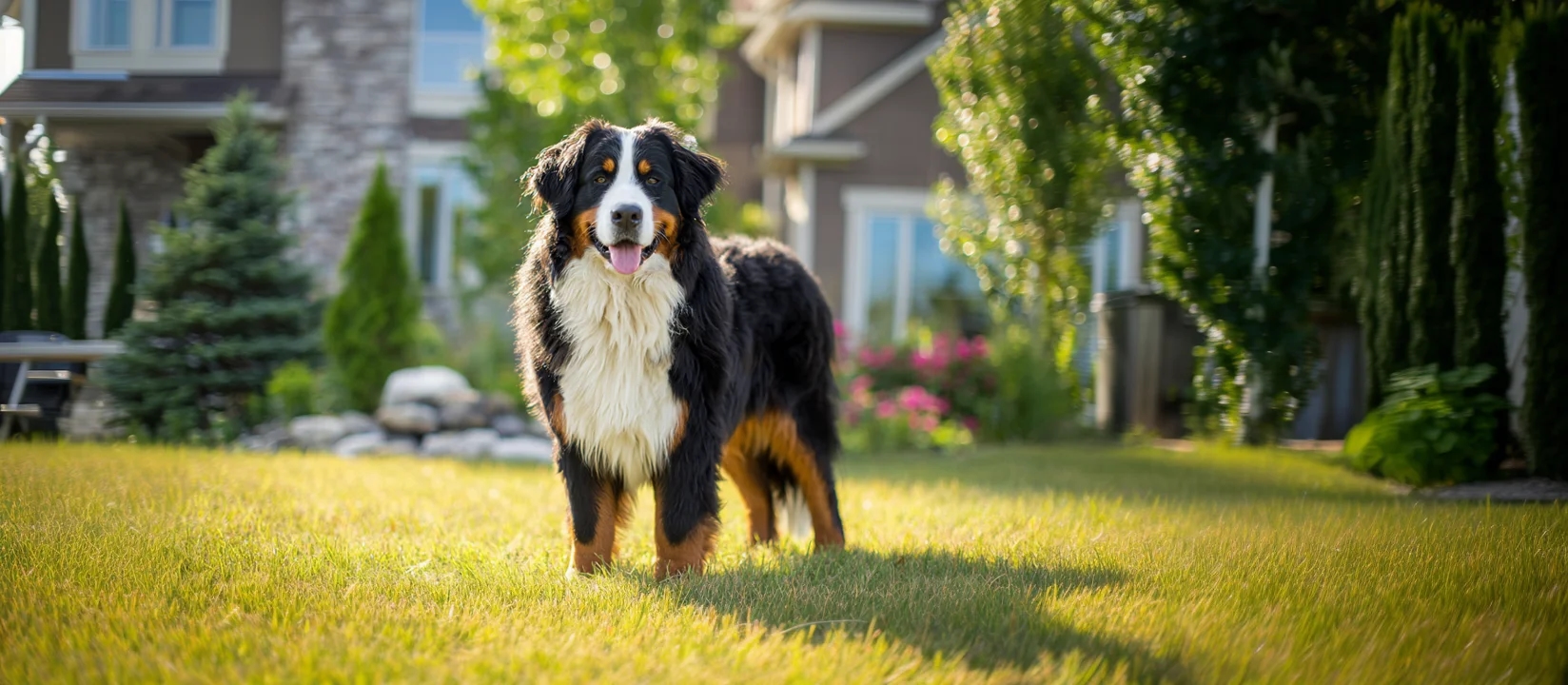
Bernese Mountain Dog
Breed Facts
Height
25-27.5 inches (male), 23-26 inches (female)
Weight
80-115 pounds (male), 70-95 pounds (female)
Lifespan
7-10 years
Key Traits
Overview
Gentle, loyal giants with striking tri-color coats and a warm, easygoing spirit. These affectionate, hardworking dogs blend steady devotion with playful charm—perfect for families and individuals seeking a loving, dependable companion who thrives on close bonds and outdoor adventures.
Temperament & Personality
You'll find Bernese Mountain Dogs are gentle giants with calm, friendly, and affectionate temperaments. They form strong bonds with their family and tend to be very loyal; often they're patient and tolerant with children and other pets. Berners may be somewhat reserved with strangers, showing their protective instincts, but are not typically aggressive. Because they're intelligent and eager to please, you'll find training them can be straightforward. However, Bernese dogs are sensitive to harsh corrections, so positive reinforcement works best.
They often attach to one person in the household and thrive on companionship, so they may feel unhappy if left alone for long periods. Often described as having an "aura of nobility," they are hardworking and loyal. Despite their size, Berners are usually gentle and calm indoors. They enjoy outdoor activities like walking or hiking and are even strong enough to pull a child in a cart for fun. With the right care and attention, they make a great addition to your family.
Care, Living Environment & Grooming
Bernese Mountain Dogs have a long, thick coat and a woolly undercoat, which means they shed year-round and especially during spring and fall. You'll need to brush their fur at least once a week (more during heavy shedding) to remove loose hair and prevent mats. Bathing should be done only as needed with a gentle dog shampoo. Regular care also includes cleaning their ears to prevent infection, trimming their nails, and brushing their teeth to maintain dental health.
Because Berners are large and active, they thrive in homes with space and cooler climates. You should give them at least 30 minutes of moderate exercise daily (long walks, hikes, or play) to keep them fit. Their thick coat makes them prone to overheating, so provide water and shade in warm weather and avoid strenuous activity in heat. While they love spending time outdoors, Bernese dogs do best living indoors with their family rather than being left outside alone. Be prepared for heavy shedding around the house and a big appetite; these dogs can easily gain weight if they don't exercise enough. Feed a high-quality diet appropriate for large breeds to support healthy growth and joints. Overall, with regular brushing and attention to diet and exercise, you can keep your Bernese healthy and comfortable.
Training & Socialization
You'll find Bernese are eager to please and respond well to training, especially when it's done with patience and positive reinforcement. Use clear, gentle commands and reward good behavior with treats or praise. Because Berners can be sensitive to harsh correction, avoid yelling or punishment. Training sessions should be consistent and fun, starting early with short walks and basic commands. Socialization is also key: once your puppy is fully vaccinated, expose them to many people, animals, and environments to help them grow into confident adults. Because Bernese are naturally protective, teaching basic obedience (sit, stay, come) and polite greetings early will make life easier as they grow. Crate training can give your dog a safe den-like space and aid with housebreaking. Consistent, gentle leadership is key. Puppy classes or obedience groups can strengthen skills and social confidence. With patience and positive reinforcement, your Berner will likely become a well-mannered, confident companion.
Health Considerations
You should know Bernese Mountain Dogs have significant inherited health risks. Their average lifespan is only 7–10 years. Unfortunately, many Bernese suffer from serious conditions. Cancer is a leading cause of death (one study found over half of Berners died from tumors). Common cancers include histiocytic sarcoma and lymphoma. They're also prone to joint disorders — hip dysplasia and elbow dysplasia are fairly common, which can lead to painful arthritis. Deep-chested dogs like Bernese can get life-threatening bloat (gastric torsion). Eye issues (cataracts, retinal disease) and heart problems have been reported. To help your dog, feed a high-quality large-breed diet (to prevent rapid growth) and keep them lean. Maintain regular vet exams and vaccinations. Pet insurance or a savings fund is wise given their health risks. You may discuss joint supplements (like glucosamine or omega-3s) with your vet to support aging joints. Regular eye, heart, and hip screenings can catch issues early. Preventive care (dental cleaning, parasite control) is also key. Early detection and treatment are crucial for helping your Berner live as long and as comfortably as possible.
Cost of Ownership
Large dogs tend to be costly. In the U.S., average annual expenses for a large dog are around $2,500–$3,000. Given a Bernese's big appetite and grooming needs, you should budget more. One estimate is $227–$540 per month for a Bernese, which is roughly $2,700–$6,500 per year. Major costs include food (large-breed kibble costs hundreds per year), routine vet care (check-ups, vaccines, parasite preventives), and grooming (brushes, professional trims). You'll also want an allowance for emergencies (Bernese have significant health issues). For example, a 30–40 lb. bag of quality dog food often costs $50–$70 and may need monthly replenishing. Many owners invest in pet insurance or a savings fund to help cover surprise vet bills. On average, expect roughly $3,000–$4,500 a year in total, though costs can be higher if emergencies arise.
Pros and Cons
Pros
- Gentle, affectionate, and family-friendly; typically good with children.
- Intelligent and loyal (eager to please).
- Protective watchdog (alert to strangers).
- Calm and gentle indoors (enjoys lounging with family).
Cons
- Short lifespan (7–10 years).
- Prone to serious health issues (cancer, hip/elbow dysplasia).
- Heavy shedding and grooming needs.
- Large size means higher food and care costs.
- Needs space and cooler climate; not ideal for hot or cramped homes.
- Requires owner commitment (doesn't do well being left alone).
Fun Facts
Bernese Mountain Dogs were originally Swiss farm dogs around Bern, used as companions, watchdogs, and even cart-pullers (e.g., milk carts) on dairy farms. They were never true herding dogs despite the name "Sennenhund." Today they're loved as gentle giants with their iconic black, rust, and white coats and calm, dignified presence. They handle cold weather very well thanks to their thick double coat.
Frequently Asked Questions
How long do Bernese Mountain Dogs live?
Bernese Mountain Dogs typically live about 7–10 years. They are large dogs with several breed-related health issues, so their lifespan is relatively short. Careful attention to diet, exercise, and vet care can help your Berner reach the higher end of this range.
Are Bernese Mountain Dogs good with children?
Yes. Berners are known to be gentle, patient, and affectionate with children. They often become very loving family members and tolerate kid antics well. However, their large size means you should supervise interactions with very small children to avoid accidental injury.
How much grooming do Bernese Mountain Dogs need?
Bernese have a long, thick double coat that sheds heavily. You'll need to brush them at least weekly (daily during heavy shedding seasons). Occasional baths and regular ear/teeth cleaning are also part of routine care to keep them healthy.
Can Bernese Mountain Dogs handle hot weather?
Not really. Their thick coat suits cool climates, and they can overheat easily. In hot weather, limit their exercise, provide shade, and keep them indoors in air-conditioned areas when needed.
References
- Zealandia Pets – The Bernese Mountain Dog: A Gentle Giant of the Swiss Alps
- WebMD – What to Know About Bernese Mountain Dogs
- AKC – Train Your Bernese Mountain Dog Puppy: Milestone Timeline
- BMC Veterinary Research – Life expectancy and causes of death in Bernese mountain dogs in Switzerland
- Dogster – How Much Does a Bernese Mountain Dog Cost?
Personality Profile
Find your perfect puppy pair!
Take our quick personality quiz to find the breeds that match your personality.
Start Quiz NowKey Traits
Temperament
affectionate
Reserved
Cuddly
energy Level
Calm Companion
High-Energy Dynamo
Social Behavior
good With Children
Best with Adults/Older Kids
Kid-Friendly
barking Level
Quiet-Natured
Talkative
Care & Maintenance
shedding Level
Light Shedder
Heavy Shedder
exercise Needs
Short Walks Enough
Needs Daily Workouts
Learning & Cognition
trainability
Independent Thinker
Eager Learner
mental Stimulation Needs
Content Relaxer
Needs Challenges
Breed Facts
Height
25-27.5 inches (male), 23-26 inches (female)
Weight
80-115 pounds (male), 70-95 pounds (female)
Lifespan
7-10 years
Key Traits
You Might Also Like
Find Your Perfect Puppy Pair
Take our scientifically-backed personality quiz to discover which dog breeds align with your personality.
Start the Quiz