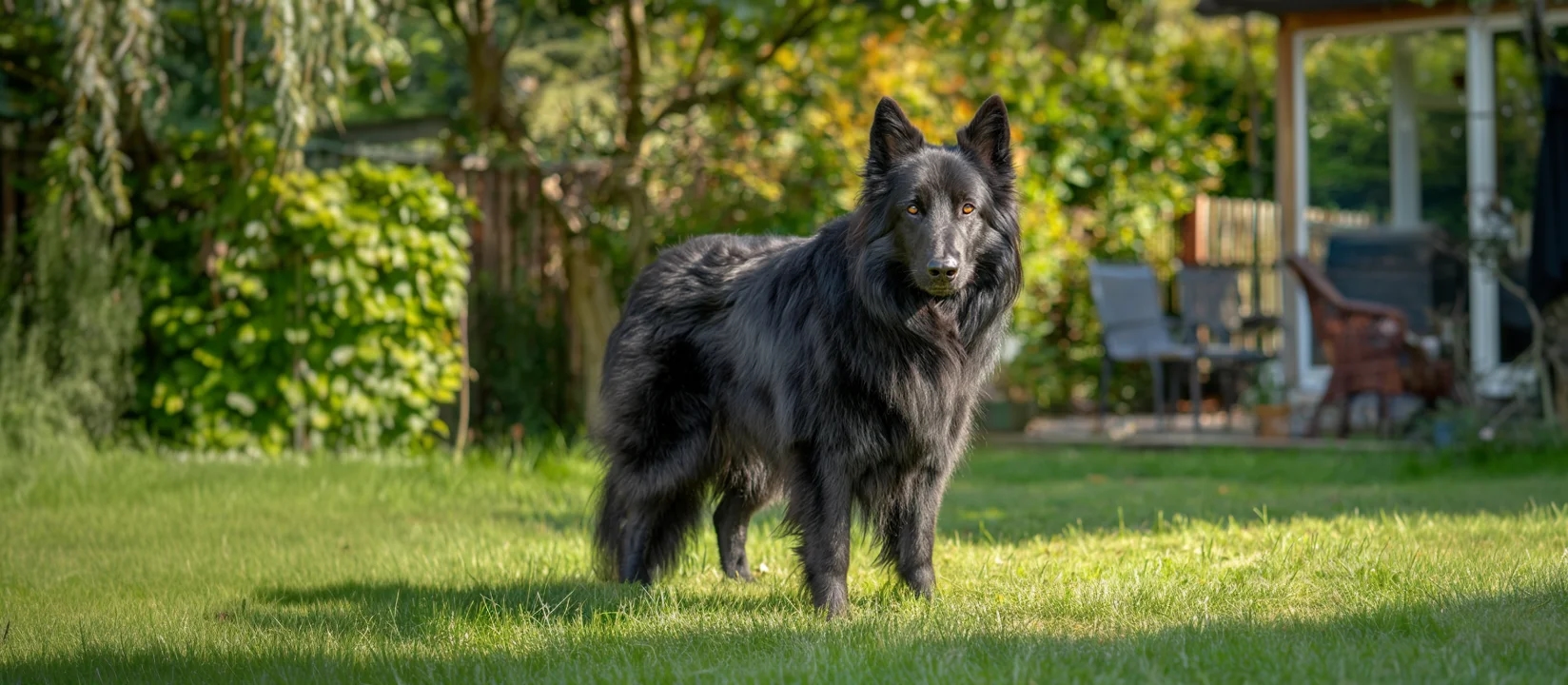
Belgian Sheepdog
Breed Facts
Height
22-26 inches
Weight
45-75 pounds
Lifespan
12-14 years
Key Traits
Overview
Elegant, intelligent companions with flowing black coats and a devoted, energetic spirit. These highly trainable, affectionate dogs blend strong work ethic with deep family loyalty—perfect for active, experienced owners seeking a graceful, loving friend who thrives on close bonds, mental challenges, and shared adventures.
Temperament & Personality
The Belgian Sheepdog (Groenendael) is an active, sensitive breed bred for herding. You'll find them very intelligent and alert, always looking for a job or game. They quickly form a strong bond with family members and can be quite affectionate at home. Belgian Sheepdogs are protective of their people, often acting as attentive watchdogs. With strangers they may be reserved at first until properly introduced.
These dogs thrive on human companionship, so they generally dislike being left alone for long. They can be gentle with children they know, but their herding instinct might lead them to "herd" (nudge or circle) active kids if not trained. Overall, Belgian Sheepdogs are loyal, playful with family, and dignified yet eager to please.
Care, Living Environment, & Grooming
Belgian Sheepdogs have a thick double coat. They shed year-round (heavier in spring and fall), so brushing several times a week is needed to prevent mats and reduce loose fur. Plan on at least weekly grooming and more during seasonal sheds. Beyond coat care, this breed needs daily exercise – ideally at least 1–2 hours of walks, runs, or vigorous play.
They do best in homes with room to move; a securely fenced yard is ideal. However, with adequate activity they can adapt to apartment living. These dogs are comfortable in cool or moderate climates (their coat repels rain and snow), but be mindful in heat: provide shade and water. As for feeding, give them a high-quality diet for large active dogs and avoid overfeeding. Dental and ear care should follow routine schedules (e.g. weekly tooth brushing, monthly ear checks).
In summary, a Belgian Sheepdog is relatively low-maintenance to groom but very high-maintenance in energy—expect to be quite active with your dog every day.
Grooming Schedule:
- Weekly: Brush the long coat to remove tangles and loose hair; check ears and eyes for cleanliness; clean teeth.
- Monthly: Bathe as needed (their coat resists dirt) and trim nails.
Training & Socialization
Belgian Sheepdogs are highly trainable and eager learners. Start early with puppy training: use positive reinforcement (treats, praise, play) to motivate them. Consistency and patience are key, as they respond poorly to harsh correction.
These dogs have strong protective and territorial instincts, so early socialization is essential. Introduce your pup to many people, pets, and environments to build confidence. Many Belgians excel at obedience, agility, or protection sports, so turning training into games works well. Keep sessions positive and engaging to match their energy. In essence, they do best with a firm but gentle trainer who can channel their intelligence and drive constructively.
Health Considerations
Belgian Sheepdogs are generally healthy. Their average lifespan is about 12–14 years. However, as a medium-large breed they can inherit certain issues. Important conditions include:
- Hip dysplasia
- Elbow dysplasia
- Hypothyroidism
- Progressive retinal atrophy (PRA)
- Epilepsy
They may also have sensitivities (e.g., to anesthesia). To keep your dog healthy, regular vet screenings are advised. This includes orthopedic evaluation of hips/elbows and routine eye exams. Responsible breeders will have cleared parents for these conditions. Keeping your dog at a healthy weight and maintaining a balanced diet can mitigate some risks, especially joint problems.
Cost of Ownership
Owning a Belgian Sheepdog costs roughly $1,700–$2,000 per year. Major expenses include: food ($600–$800/yr for quality kibble for this active medium-large dog), routine vet care ($300–$400/yr for check-ups, vaccines, and preventatives), and insurance (~$500–$600/yr for a healthy adult dog).
Grooming costs are modest (brushes and occasional trims run $50–$100 annually). The rest (about $200–$300) covers toys, training classes, and supplies. Note that the first year is higher: puppy purchases or adoption fees, spay/neuter surgery and puppy supplies can add an extra $1,000–$2,000.
Annual Cost Breakdown:
- Food: $600–$800/year (active, medium-large dog)
- Routine Vet: $300–$400/year
- Insurance: $500–$600/year
- Grooming: $50–$100/year (brushes, bathing)
- Other: $200–$400/year (toys, training, supplies)
Pros and Cons
Pros
- Highly intelligent and trainable
- Energetic and athletic (great for dog sports)
- Loyal and affectionate with family
- Alert watchdog
Cons
- Very high energy (needs lots of exercise)
- Thick coat requires regular grooming
- Has strong herding instinct (may nip or chase small children if not trained)
- Can be sensitive or anxious if not properly socialized
- Not recommended for first-time owners without guidance
Fun Facts
- Heritage: The Belgian Sheepdog (Groenendael) was standardized in the late 1800s. It is one of four Belgian Shepherd varieties (with Malinois, Tervuren, Laekenois), all named for Belgian villages.
- Working Dog: In 1891, Belgium formed a Shepherd Dog Club to preserve the breed. Belgians quickly became popular as herding and farm dogs across Europe.
- War and Service: Belgian Sheepdogs served in both World War I and II as message carriers, Red Cross dogs, and sentries. They later found roles in police and military service around the world.
Frequently Asked Questions
Do Belgian Sheepdogs shed a lot?
Yes. With their long double coat, Belgian Sheepdogs shed moderately year-round and heavily during seasonal moults. Plan on brushing them 2–3 times per week (daily during heavy shedding) to manage loose hair and prevent mats.
Are Belgian Sheepdogs good apartment dogs?
They can adapt to apartment life if they get plenty of exercise each day. Belgian Sheepdogs are quite active – at least 1–2 hours of activity daily is recommended. A home with a yard is ideal, but a committed owner could manage in a larger apartment by taking the dog on extended walks and active playtimes.
How much exercise does a Belgian Sheepdog need?
A great deal! Belgian Sheepdogs are very energetic and were bred for hard work. Aim for at least 1–2 hours of exercise each day, such as long walks, running, agility or obedience training, and play. Without adequate activity, they can become restless or vocal.
Can first-time owners handle a Belgian Sheepdog?
They're best for someone with some experience. Belgian Sheepdogs are smart and eager, but they can be sensitive and strong-willed. Early socialization and training are a must. An active, dedicated first-time owner with good guidance could succeed, but be prepared for a demanding, high-energy companion.
References
Personality Profile
Find your perfect puppy pair!
Take our quick personality quiz to find the breeds that match your personality.
Start Quiz NowKey Traits
Temperament
affectionate
Reserved
Cuddly
energy Level
Calm Companion
High-Energy Dynamo
Social Behavior
good With Children
Best with Adults/Older Kids
Kid-Friendly
barking Level
Quiet-Natured
Talkative
Care & Maintenance
shedding Level
Light Shedder
Heavy Shedder
exercise Needs
Short Walks Enough
Needs Daily Workouts
Learning & Cognition
trainability
Independent Thinker
Eager Learner
mental Stimulation Needs
Content Relaxer
Needs Challenges
Breed Facts
Height
22-26 inches
Weight
45-75 pounds
Lifespan
12-14 years
Key Traits
You Might Also Like
Find Your Perfect Puppy Pair
Take our scientifically-backed personality quiz to discover which dog breeds align with your personality.
Start the Quiz