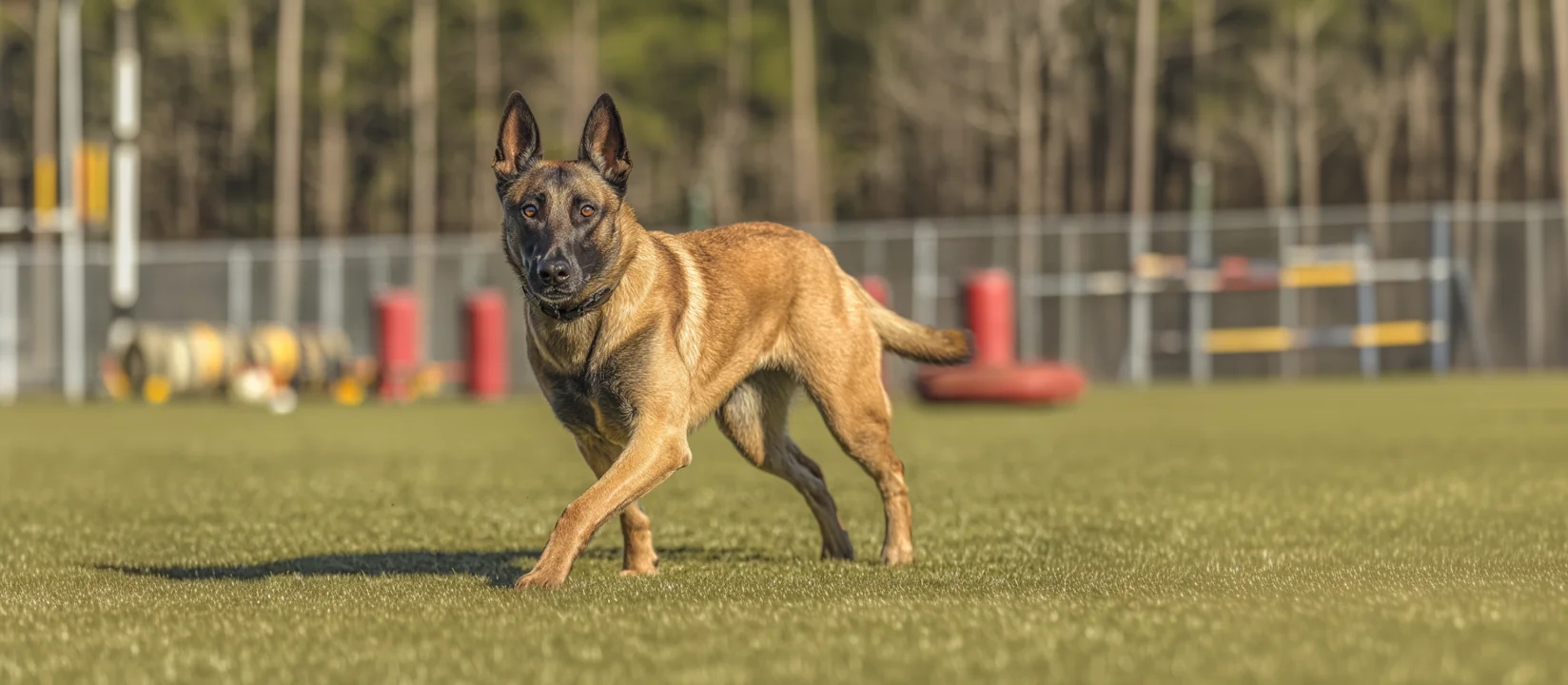
Belgian Malinois
Breed Facts
Height
24-26 inches (male), 22-24 inches (female)
Weight
60-80 pounds (male), 40-60 pounds (female)
Lifespan
14-16 years
Key Traits
Overview
Intense, highly intelligent workers with sleek builds and unwavering focus. These driven, loyal dogs blend boundless energy with exceptional trainability—perfect for experienced, active owners seeking a courageous, devoted companion who excels at demanding tasks and thrives on constant engagement.
Temperament & Personality
The Belgian Malinois is a confident, alert working dog bred for demanding jobs. These dogs are highly energetic, intelligent, and loyal. They form strong bonds with their handlers and thrive on work or activity. By breed standard they should show "neither shyness nor aggressiveness" in new situations. Malinois tend to be reserved with strangers but affectionate with family. They have a natural protective instinct without undue aggression. This breed craves mental and physical challenge – without enough stimulation a Malinois can become frustrated or anxious. In short, they are loyal, intense dogs best suited to active owners who can meet their drive and need for companionship.
Care, Living Environment & Grooming
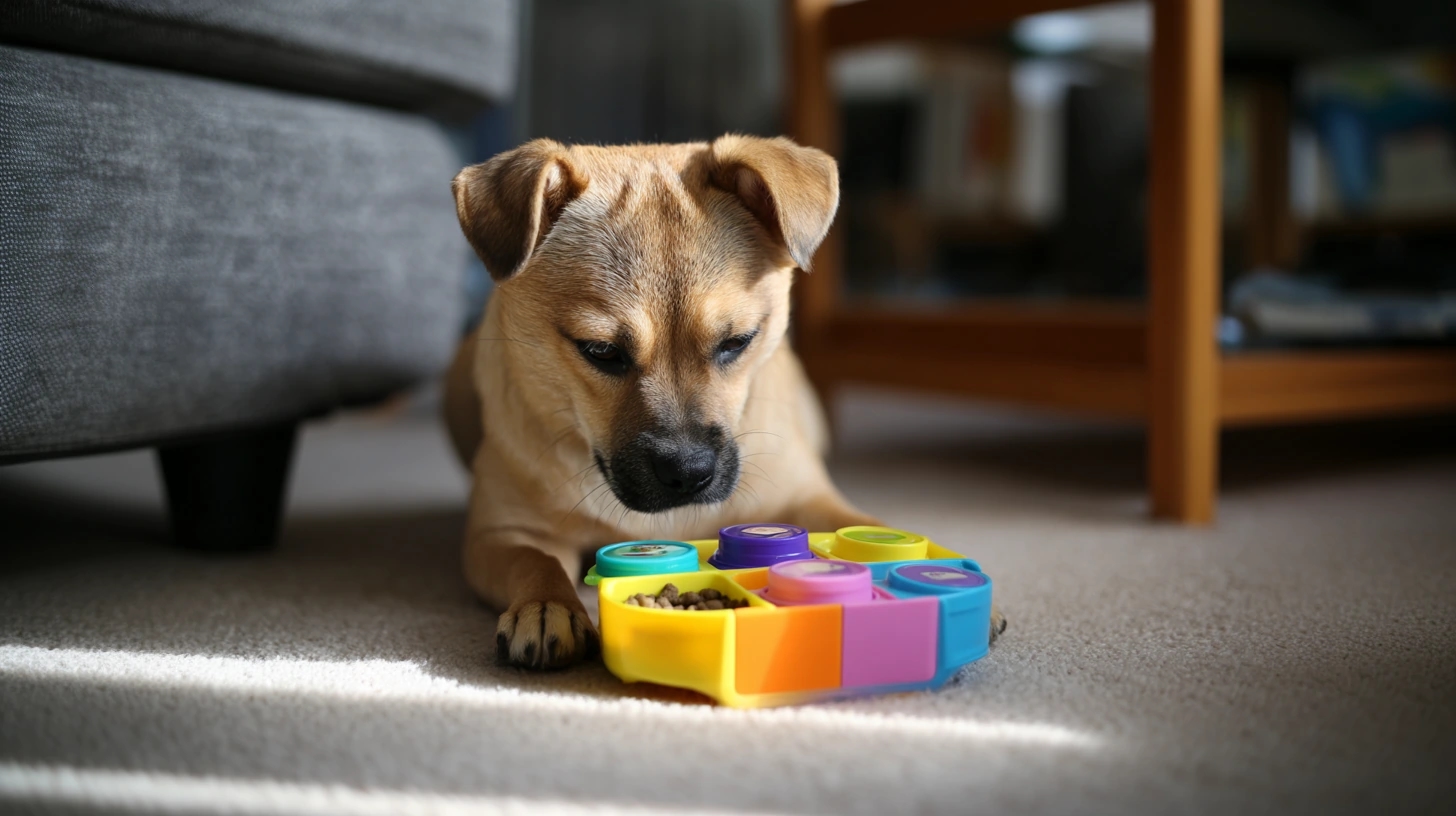
Belgian Malinois require an active lifestyle and plenty of exercise. They excel in homes with yards or access to open space. At least 1–2 hours of vigorous activity a day (running, fetch, hiking, dog sports) is recommended to use their boundless energy. Malinois can adapt to apartment living only if given exceptional exercise; otherwise, they need space to move and play. Mental stimulation is just as important – puzzle toys, training drills, and new experiences help keep them happy and prevent destructive behaviors.
Grooming a Malinois is straightforward. Their short double coat is weather-resistant, sheds seasonally, and needs only weekly brushing to remove loose hair. Expect heavier shedding in spring and fall. Bathing is seldom needed unless the dog gets dirty; over-bathing can dry out their skin. Owners should trim nails about once a month (or as needed based on wear) and brush teeth daily for dental health. Regular ear checks can prevent infections, even though their ears are erect (more common in herding breeds). Overall, grooming and care are low-effort for this breed.
Training & Socialization
Belgian Malinois are very trainable due to their high intelligence and eagerness to please. They respond well to consistent, reward-based methods and quickly learn commands. Training should start early – enrolling in puppy classes and frequent socialization are important. Expose puppies to various people, animals, and environments to build confidence. Keep in mind Malinois have a strong herding instinct; without guidance they may nip at ankles or chase moving objects. Early socialization helps mitigate this.
Firm but positive leadership is key. Malinois enjoy learning new tricks and excel in activities like obedience, agility, and scent work. Consistency will keep them engaged. If left untrained or under-stimulated, even a senior Malinois may tear up a garden or chew furnishings out of boredom. With the right approach, they become obedient, confident dogs that thrive on ongoing training and teamwork with their owners.
Health Considerations
The Belgian Malinois is generally a healthy breed with a lifespan around 10–14 years. However, responsible owners should screen for hereditary issues. Common concerns include:
- Hip and Elbow Dysplasia – Genetic joint disorders causing pain and arthritis; test breeding dogs to avoid passing these on.
- Eye Issues – May develop cataracts or progressive retinal atrophy (PRA), leading to vision loss. Early detection is key.
- Cancer – Higher risk of hemangiosarcoma (a fast-spreading cancer) in Malinois. Vigilance for lumps or unusual symptoms is advised.
- Anesthesia Sensitivity – Some Malinois react strongly to anesthesia, so vets should exercise caution during surgical procedures.
- Allergies and Skin Problems – Can suffer from skin allergies or ear infections, often causing itching or discomfort.
Regular veterinary check-ups, a balanced diet, and healthy weight maintenance help mitigate these risks. Early screening (hip/elbow evaluations, eye exams) is recommended for breeding dogs and valuable pets. Many of these conditions can be managed effectively if caught early.
Cost of Ownership
Belgian Malinois are a significant investment. A puppy from a reputable breeder typically costs around $1,500–$3,000. Rescue or adult dogs may be available for less. One-time start-up expenses include supplies (crate, leash, bed) and initial vet care. Ongoing costs include high-quality food (roughly $50–$80/month for an active medium-large dog), routine vet check-ups, and training classes. Because they are energetic, expect to spend on exercise-related items (long leash, agility equipment, puzzle toys). Malinois benefit from mental enrichment toys or dog sports, which add to costs. Grooming expenses are minimal due to their easy-care coat. Pet insurance or a savings plan is wise, given some possible health screenings and conditions. In total, annual care (food, vet, activities) can run around $1,000–$2,000.
Pros and Cons
Pros:
- Highly intelligent and trainable – excels in obedience and dog sports.
- Extremely loyal and protective of family and home.
- Energetic and athletic – great for active owners who enjoy outdoor activities.
- Versatile working dog used by police, military, and service fields.
- Short coat requires minimal grooming.
Cons:
- Very high energy and exercise needs – not suitable for sedentary owners.
- Strong prey/herding instincts – may chase small pets or nip without guidance.
- Requires experienced handling and consistency – can develop behavior problems if bored or under-trained.
- Often reserved with strangers – not immediately outgoing or social.
- Can be sensitive; harsh training methods may lead to fearfulness or anxiety.
Fun Facts
- Working Dog: Malinois are top-choice K-9s. For example, "Conan" was a famous Navy SEAL dog who helped track high-profile targets. A Malinois (named "Dog") also starred in the John Wick films.
- Belgian Shepherd Variety: The Malinois is one of four Belgian Shepherd types (along with Tervuren, Groenendael, Laekenois). Their name comes from the city of Mechelen (Malines) in Belgium.
- Energy & Agility: This breed loves agility courses, running, and jobs. They excel in police work, search-and-rescue, and competitive dog sports due to their stamina and intelligence.
Frequently Asked Questions
Are Belgian Malinois good family dogs?
They can be loyal and affectionate with families if properly trained. However, their high drive means they do best with active owners. Supervise them around small children or pets, as Malinois may nip or chase if untreated.
How much exercise do they need?
A LOT. Plan on at least 1–2 hours of vigorous exercise daily – running, hiking, fetch, or sports – plus mental stimulation. A couple of short walks won't suffice. Without enough exercise, Malinois can become restless or destructive.
Are Belgian Malinois easy to train?
Yes, they are very intelligent and eager to work. They usually learn quickly under firm, consistent, positive training. Starting in puppy classes is recommended to harness their intelligence and ensure good manners.
Can Malinois live in an apartment?
It's challenging. They can adapt to apartment life only if the owner commits to very long, active exercise sessions daily. In general, Malinois thrive in homes with space to roam; if kept in a flat, they must have access to vigorous outdoor activity.
References
Personality Profile
Find your perfect puppy pair!
Take our quick personality quiz to find the breeds that match your personality.
Start Quiz NowKey Traits
Temperament
affectionate
Reserved
Cuddly
energy Level
Calm Companion
High-Energy Dynamo
Social Behavior
good With Children
Best with Adults/Older Kids
Kid-Friendly
barking Level
Quiet-Natured
Talkative
Care & Maintenance
shedding Level
Light Shedder
Heavy Shedder
exercise Needs
Short Walks Enough
Needs Daily Workouts
Learning & Cognition
trainability
Independent Thinker
Eager Learner
mental Stimulation Needs
Content Relaxer
Needs Challenges
Breed Facts
Height
24-26 inches (male), 22-24 inches (female)
Weight
60-80 pounds (male), 40-60 pounds (female)
Lifespan
14-16 years
Key Traits
You Might Also Like
Find Your Perfect Puppy Pair
Take our scientifically-backed personality quiz to discover which dog breeds align with your personality.
Start the Quiz