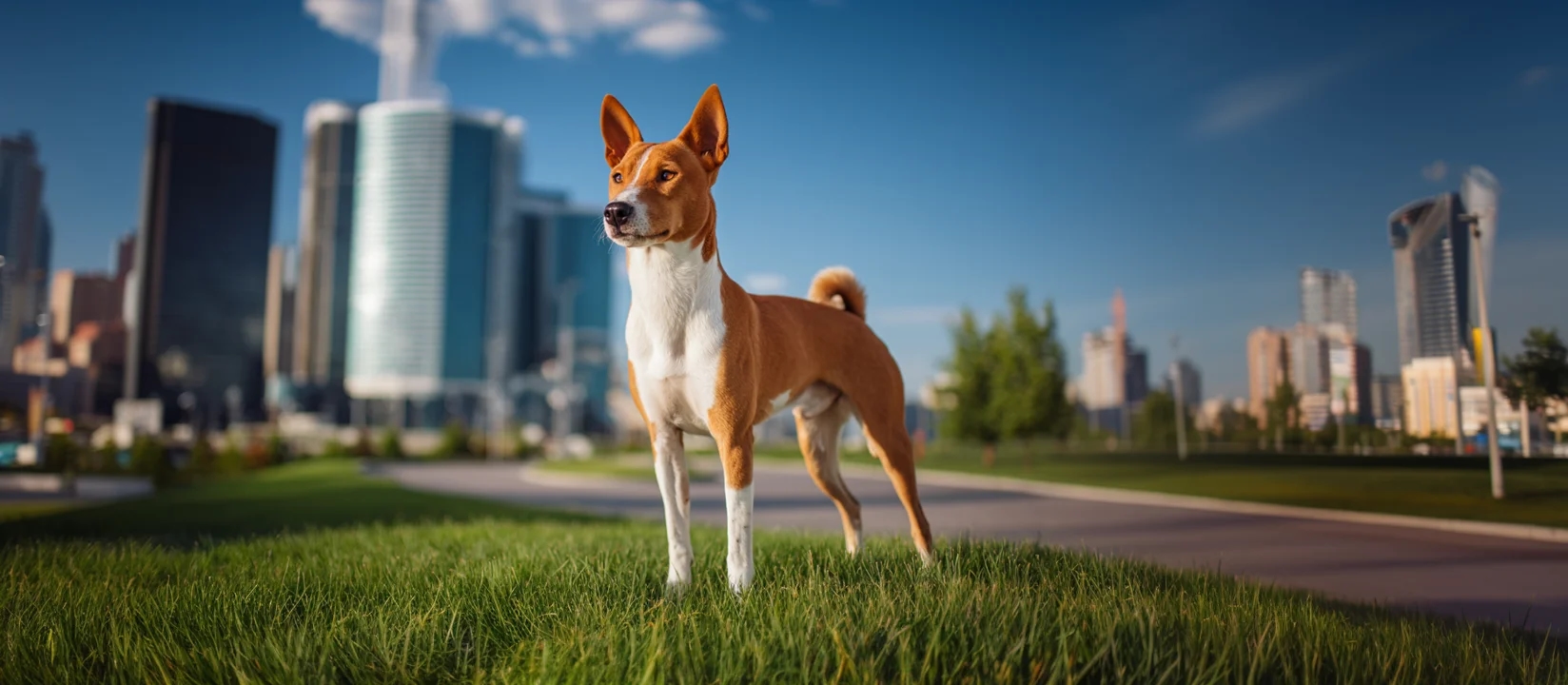
Basenji
Breed Facts
Height
16-17 inches
Weight
22-24 pounds
Lifespan
13-14 years
Key Traits
Overview
Elegant, independent companions with sleek builds and a cat-like, curious spirit. These intelligent, quiet dogs blend playful mischief with strong loyalty—perfect for experienced owners seeking a unique, adventurous friend who thrives on exploration and values both affection and independence.
Temperament & Personality
The Basenji is often described as having a cat-like personality – independent, curious, and sometimes aloof. Don’t expect an eager-to-please attitude; Basenjis are intelligent but stubborn, ruled by their own curiosity and independence. They are very energetic and playful, which can be great fun but also means they get into mischief if not adequately exercised. This breed is nicknamed the “barkless dog” because it rarely barks; instead, your Basenji may yodel or make other unusual vocalizations when excited. With their family, Basenjis can be affectionate and loyal, often bonding strongly to their owners. However, they tend to be wary or indifferent toward strangers, and their strong prey drive means small pets (and even young children’s erratic movements) might trigger chasing instincts. Early socialization is key to raising a more adaptable Basenji who is comfortable around new people and situations.
Care, Living Environment, & Grooming
Basenjis are active dogs that require daily exercise to burn off energy. Plan on at least one good hour of exercise per day – whether it’s a brisk walk, playtime in a fenced yard, or engaging games like fetch or agility. Always keep your Basenji on a leash or in a secure area outdoors; this breed’s hunting instincts and keen sense of smell can lead them to wander off in pursuit of interesting scents. Despite their energy, Basenjis are only medium-small in size (about 22–24 pounds) and can adapt to apartment living if you meet their exercise and mental stimulation needs. They are known escape artists (capable of climbing or jumping fences), so ensure your yard is very secure if you have one.
Indoors, Basenjis are generally clean and quiet. They have a short, fine coat and groom themselves like cats, often licking their fur to stay clean. They also lack a typical “doggy odor,” which many owners appreciate. Basenjis dislike wet and cold weather, so provide a warm coat in winter and try to keep them dry on rainy days – you might find your Basenji stubbornly avoiding puddles or rain. In terms of living environment, they love comfort and will happily curl up on the warmest spot (often under blankets or on your couch). They do best in a home where they aren’t left alone for long periods, as boredom can lead to destructive chewing or getting into off-limits items. Grooming needs for a Basenji are minimal:
- Weekly: Brush your Basenji’s short coat with a soft brush or grooming mitt to remove loose hair.
- Monthly: Trim their nails (overgrown nails can cause discomfort) and check their ears, cleaning them gently if you notice dirt or wax buildup.
- Occasional: Baths are rarely needed – only bathe your Basenji if they get into something messy, since they keep themselves quite clean. Also brush their teeth regularly (several times a week) to maintain good dental health.
Overall, feeding your Basenji a high-quality dog food in measured portions will help maintain their lean, muscular physique. They aren’t known for particular dietary quirks, but as with any dog, monitor their weight and adjust food if needed (Basenjis can become overweight if overfed and under-exercised). Divide their meals into two feedings a day to keep energy levels stable. With proper care, a Basenji will thrive and keep you on your toes with its spirited personality.
Training & Socialization
Training a Basenji can be a bit of a challenge – think of it as training a very smart, occasionally opinionated dog that sometimes has “selective hearing.” This breed is highly intelligent and observes everything, but their independent streak means they are not always eager to follow commands. The key is to use positive reinforcement methods: keep training sessions short, fun, and full of variety to hold their attention. Treats that are especially tasty (strong-smelling treats work well) and enthusiastic praise will motivate your Basenji far better than any harsh corrections. Avoid repetition and boredom – for example, practice recall or sit for a few minutes, then switch to a game or another skill to prevent your Basenji from tuning out.
Early and frequent socialization is very important for Basenjis. Expose your puppy to different people, friendly dogs, sights, and sounds in a controlled way. This will help curb their natural wariness of strangers and reduce anxieties. Basenjis can be aloof and may not tolerate rough handling, so positive experiences with older children (who know how to treat a dog respectfully) are helpful. Due to their prey drive, be cautious introducing a Basenji to cats or small pets – supervision and gradual introductions are a must.
When it comes to training basics, focus on recall and impulse control early. Basenjis love to chase moving things, so teaching a solid “come” command (using a long-line leash at first) can save you a lot of frustration. You’ll also want to channel their energy into constructive outlets: Basenjis often excel in activities like lure coursing or agility which tap into their chase instincts in a safe way. Enrolling in a puppy obedience class or working with a trainer familiar with hounds can give you structured guidance. Remember, patience and consistency are key – your Basenji will test boundaries, but with gentle persistence and a sense of humor, they can learn house rules and fun tricks alike.
Health Considerations
Basenjis are generally a healthy breed with a lifespan around 13–14 years. However, like all purebred dogs, they have some hereditary and breed-prone health issues to be aware of. Responsible breeders will perform health screenings to minimize these problems. Common health considerations in Basenjis include:
- Fanconi Syndrome: A genetic kidney disorder that affects the tubules of the kidneys, leading to loss of nutrients in urine and eventual kidney failure. A DNA test is available for Fanconi; reputable breeders test their dogs to avoid producing affected puppies. Early detection through urine testing can help manage the condition, but it has no cure.
- Progressive Retinal Atrophy (PRA): A degenerative eye condition where the retinal cells deteriorate over time, causing gradual vision loss and eventual blindness. There is no treatment, but breeders often screen for PRA to avoid it. A Basenji with PRA can still live a good life as an indoor pet with some accommodations since the vision loss is slow.
- Hypothyroidism: An underactive thyroid gland that can lead to symptoms like weight gain, lethargy, and skin/coat problems. It’s typically an autoimmune condition in Basenjis and is manageable with daily medication once diagnosed. Regular thyroid function tests can catch this condition.
- Hip Dysplasia: A malformation of the hip joint that can cause arthritis and lameness. It’s less common in Basenjis than in larger breeds, but it does occur. Breeding dogs often get hip X-rays (OFA certification) to screen for dysplasia. Maintaining a healthy weight and avoiding excessive jumping in puppyhood can help reduce the risk.
- Immunoproliferative Enteropathy: Also known as Basenji intestinal disease, this is a unique type of inflammatory bowel disease seen in the breed. It causes chronic diarrhea, weight loss, and malabsorption of nutrients. While it’s relatively rare, it can be serious. There’s no simple genetic test for this, so monitoring and early vet intervention for any chronic digestive issues is important.
- Other Eye Issues: Aside from PRA, Basenjis can have Persistent Pupillary Membranes (PPM) (remnants of fetal eye tissue that can affect vision). Puppies can be checked by a veterinary ophthalmologist for PPM. Usually, PPM is mild in Basenjis, but severe cases may interfere with sight.
To give your Basenji the best chance at a healthy life, make sure you get your puppy from a breeder who does health clearances (for example, DNA tests for Fanconi and PRA, hip evaluations, and thyroid testing). Regular vet check-ups, a balanced diet, and keeping your Basenji at a lean healthy weight will also go a long way. With good care, Basenjis often live long lives and remain active well into their senior years.
Cost of Ownership
Bringing a Basenji into your family comes with financial responsibilities. On average, expect to spend around $1,100 per year to care for a Basenji. This annual cost covers the basics and can be broken down into a few key categories:
- Food and Treats: Basenjis are a small-medium breed, so they won’t eat you out of house and home. Budget around $25–$40 per month on quality dog food and the occasional treat, which comes to roughly $300–$500 per year.
- Routine Veterinary Care: Yearly checkups, vaccines, and preventive medications (like heartworm, flea, and tick prevention) are essential. Plan for approximately $300 per year for routine vet care. Some years will be more, for example if a dental cleaning is needed or any minor illness needs treatment.
- Pet Insurance: Pet insurance can help with unexpected health issues. For a Basenji, insurance might cost about $30–$50 a month (around $400–$600 annually), depending on coverage. It’s optional but worth considering given the potential costs of genetic conditions like Fanconi syndrome.
- Grooming and Supplies: Grooming costs for Basenjis are minimal. They have a low-maintenance coat and you can do most grooming at home. You might spend ~$100 a year on grooming supplies (brushes, nail clippers, dog shampoo) and the occasional professional nail trim. Basenjis don’t require haircuts.
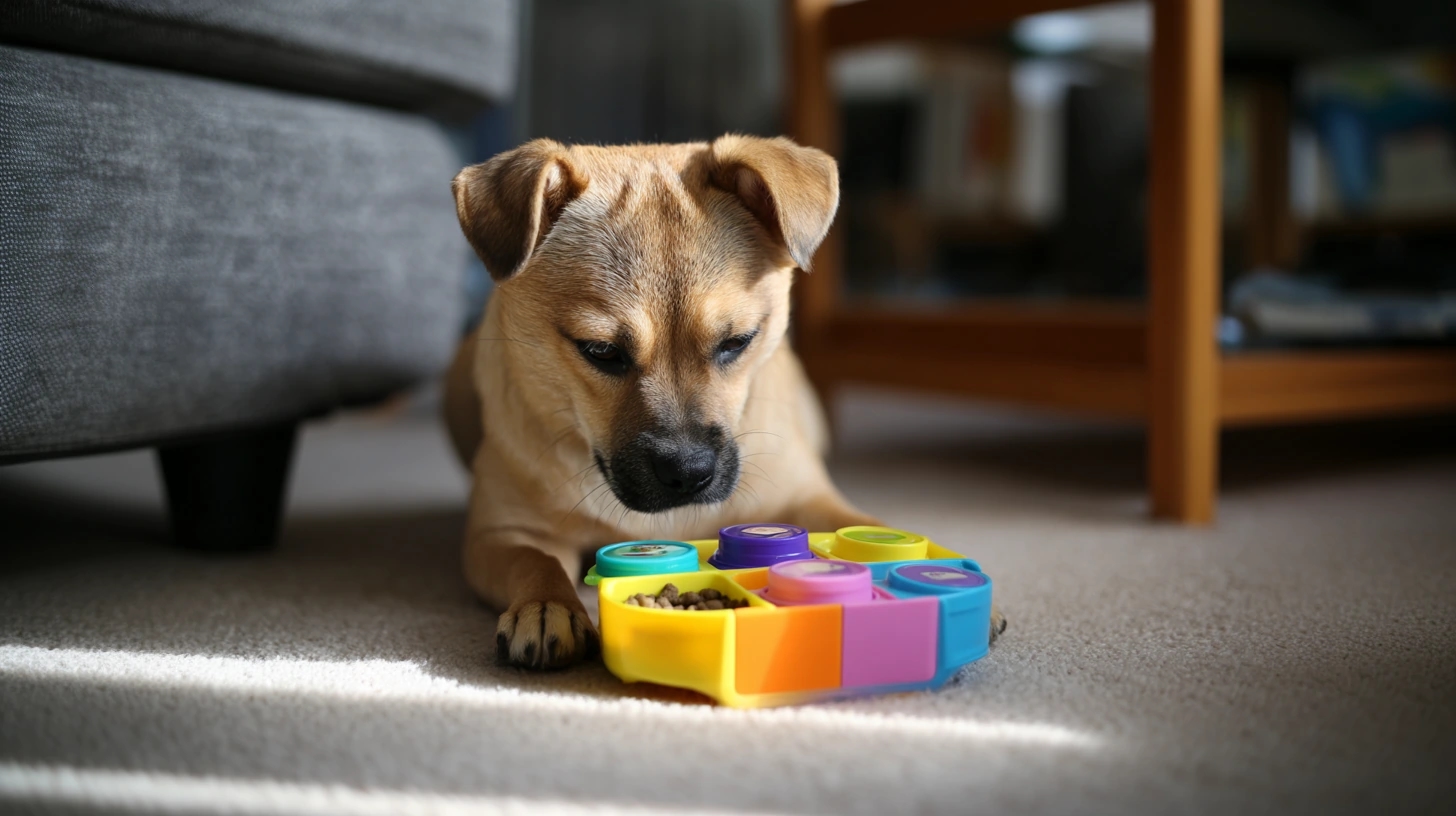
- Miscellaneous: Don’t forget toys, a bed, leash, collar, and treats. Basenjis are active and intelligent, so you’ll want to invest in durable chew toys and puzzle toys to keep them busy. Set aside ~$200 per year for replacing worn-out toys, treats, and other supplies.
In the first year, expenses will be higher – often $2,000 to $3,000 or more, due to one-time costs like purchasing the puppy, initial vaccinations, spay/neuter surgery, a crate, and all the setup supplies a new dog needs. After that, your ongoing costs will be closer to the annual average mentioned above, assuming no major health problems. Always have a little financial cushion for unexpected vet bills or emergency care, as those can be significant. Overall, the Basenji is not an especially expensive dog to maintain (they’re medium-sized and healthy), but being prepared for the financial commitment helps ensure you can give your pup the best care throughout its life.
Pros and Cons
Pros
- Energetic, playful, and fun-loving: Basenjis will keep you entertained with their antics and love of play.
- Quiet and clean: They rarely bark (great for close neighbors) and groom themselves fastidiously, resulting in little odor and minimal shedding.
- Intelligent and curious: They can learn clever tricks (especially if you make training a game) and will explore their environment with enthusiasm.
- Compact size: Basenjis are a manageable size for most homes and adapt well to indoor living (provided they get exercise outside).
Cons
- Strong-willed and independent: Their stubborn streak can make training a challenge, especially for first-time owners – you’ll need patience and creativity.
- High prey drive: Basenjis will chase squirrels, rabbits, or cats, and their urge to run means they can quickly disappear if off-leash.
- Destructive when bored: Without enough exercise and mental stimulation, a Basenji might chew furniture, raid your trash, or otherwise make mischief around the house.
- Aloof with strangers: They aren’t the most gregarious breed with unfamiliar people and may not tolerate young children’s rough play, requiring supervision and socialization.
Fun Facts
- Barkless but not silent: The Basenji earned the nickname “African barkless dog” because it yodels instead of barking. Its unique larynx shape makes a yodel-like sound called a “baroo” – a quirky trait that sets it apart from other breeds.
- Ancient heritage: Hailing from Central Africa, Basenjis are one of the oldest dog breeds. Paleontologists have found cave paintings in Libya depicting Basenji-like dogs alongside humans from as far back as 6,000 BC. They were also prized in ancient Egypt; mummified dogs resembling Basenjis have been found in pharaohs’ tombs.
- Once-a-year heat cycle: Unlike most dogs that can come into heat twice a year or more, female Basenjis typically go into estrus only once per year (usually in the fall). This trait is shared with wild canids like wolves and is uncommon in the dog world.
Frequently Asked Questions
Do Basenjis shed a lot?
No – Basenjis are low to moderate shedders. Their coat is very short and fine, and they tend to groom themselves like cats, which helps reduce shedding. You’ll notice some hair on your brush during weekly grooming, but they won’t cover your furniture in fur.
Are Basenjis good apartment dogs?
Basenjis can adapt to apartment living as long as you meet their exercise and mental needs. They are a quiet breed (no barking to bother the neighbors) and are small in size. However, you will need to take your Basenji out daily for long walks or vigorous play. A bored Basenji in a small apartment can become destructive, so lots of enrichment (toys, training games) is important.
How much exercise does a Basenji need?
Plan on giving your Basenji around an hour of exercise every day. They love activity – brisk walks, jogging, or play sessions in a safely fenced area are ideal. Basenjis also enjoy mental exercise: puzzle toys, scent games, or agility training can help tire them out. An engaged Basenji is a well-behaved Basenji, so don’t skimp on daily play and outings.
Can first-time owners handle a Basenji?
Basenjis are not the easiest breed for first-time dog owners, but it’s not impossible if you’re committed. They require patience, consistency, and a good sense of humor. First-timers must be ready to invest time in training and exercise. The breed’s independence and occasional stubbornness can be frustrating if you’re inexperienced. If you do your research, possibly work with a trainer, and stay consistent, a first-time owner can manage – but many would recommend an easier breed for a novice.
References
Personality Profile
Find your perfect puppy pair!
Take our quick personality quiz to find the breeds that match your personality.
Start Quiz NowKey Traits
Temperament
affectionate
Reserved
Cuddly
energy Level
Calm Companion
High-Energy Dynamo
Social Behavior
good With Children
Best with Adults/Older Kids
Kid-Friendly
barking Level
Quiet-Natured
Talkative
Care & Maintenance
shedding Level
Light Shedder
Heavy Shedder
exercise Needs
Short Walks Enough
Needs Daily Workouts
Learning & Cognition
trainability
Independent Thinker
Eager Learner
mental Stimulation Needs
Content Relaxer
Needs Challenges
Breed Facts
Height
16-17 inches
Weight
22-24 pounds
Lifespan
13-14 years
Key Traits
You Might Also Like
Find Your Perfect Puppy Pair
Take our scientifically-backed personality quiz to discover which dog breeds align with your personality.
Start the Quiz