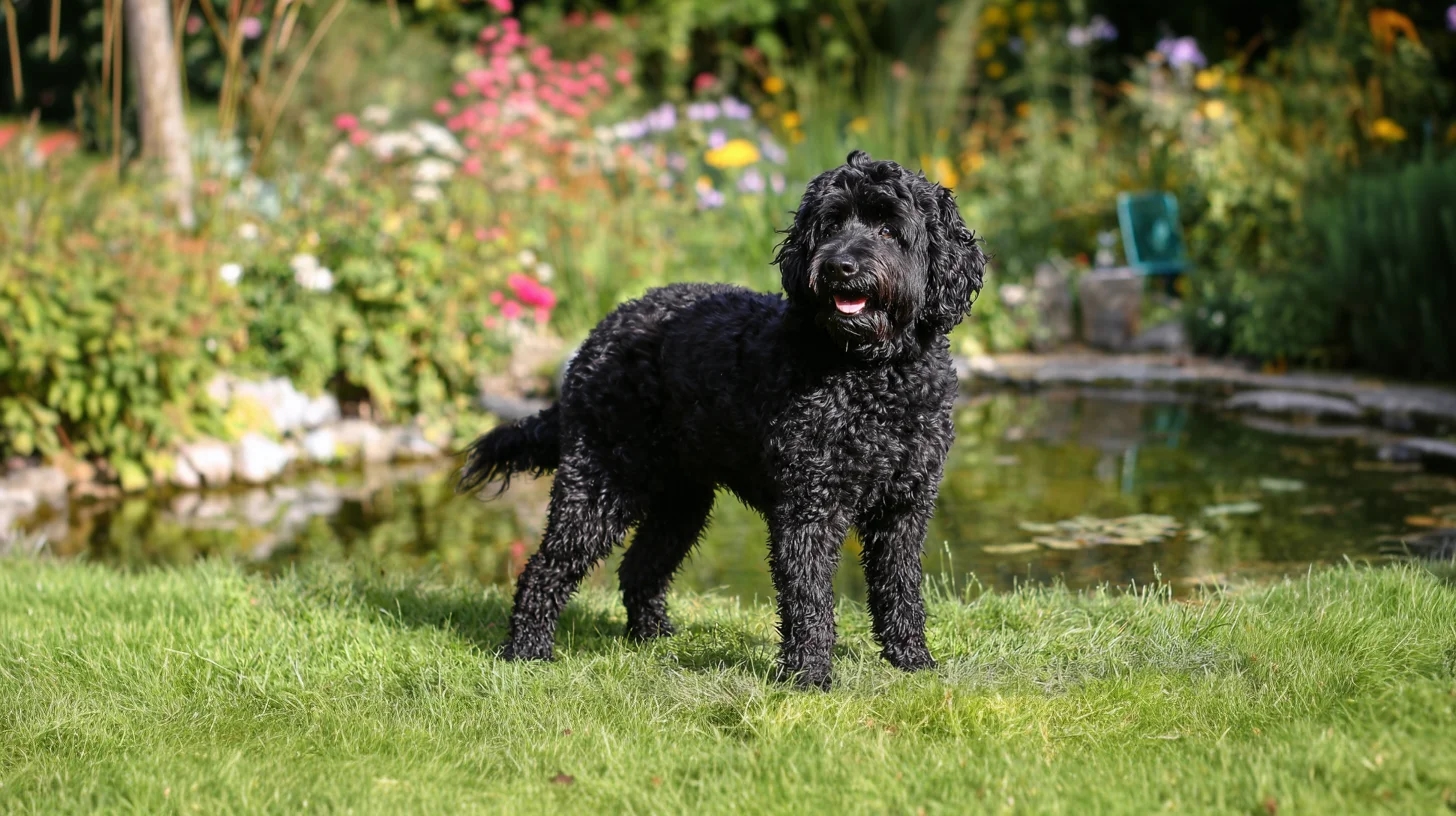
Barbet
Breed Facts
Height
19-24 inches
Weight
40-70 pounds
Lifespan
12-14 years
Key Traits
Overview
Friendly, versatile companions with curly, water-loving coats and a joyful, affectionate spirit. These intelligent, lively dogs blend playful enthusiasm with deep devotion—perfect for active families and individuals seeking a cheerful, loving friend who thrives on adventure, close bonds, and splashing around outdoors.
Temperament & Personality
You'll find the Barbet (pronounced "bar-BAY") to be an exceptionally friendly, bright, and sweet-natured companion. Their defining trait is a joyful, almost goofy, disposition that makes them a delight to live with. They are deeply loyal and affectionate with their families, thriving on human companionship and forming powerful bonds. This profound attachment is a double-edged sword; while it makes them loving pets, it also means they do not tolerate being left alone for long periods and can be prone to separation anxiety.
The Barbet's social nature extends to everyone. They are generally wonderful with children and get along well with other dogs, making them excellent family members. As a sporting breed, however, they do retain a prey drive and may be inclined to chase smaller animals like squirrels or rabbits. They are intelligent and eager to please, but this is balanced with a sensitive soul and, at times, a stubborn streak that requires a patient and understanding handler.
Care, Living Environment, & Grooming
The Barbet's defining feature—its dense, curly coat—is also the central focus of its care routine. This is a high-maintenance breed when it comes to grooming. They have hair, not fur, which grows continuously and sheds very little, making them a good choice for many people with allergies. However, this "hypoallergenic" quality comes with a trade-off: any hair they do shed gets trapped in the coat, quickly forming painful mats if not brushed out regularly and thoroughly.
Your Barbet's grooming schedule is non-negotiable for their health and comfort:
- Several times a week: You must brush and comb your Barbet's coat all the way down to the skin to prevent mats from forming.
- Daily: After any outdoor activity, check their coat for leaves, twigs, and burrs, which it collects like a magnet. You'll also want to wipe their signature beard after they drink to minimize water trails through the house.
- Every 4-6 weeks: A trip to a professional groomer or a comprehensive at-home clip is necessary to keep the coat at a manageable length.
- After every swim: Because they love water and are nicknamed the "Mud Dog," you must rinse their coat, dry them thoroughly (paying special attention to their ear canals to prevent infections), and check for tangles.
Barbets are active dogs that need at least an hour or two of exercise daily to be happy and well-behaved indoors. They love long walks, hiking, and especially swimming. They can adapt to apartment living, but only if you are committed to providing sufficient daily exercise and mental stimulation.
Training & Socialization
Training a Barbet requires a partnership built on positivity and engagement. Their high intelligence means they learn quickly, but their sensitivity means they are not suited for harsh or heavy-handed training methods. If you get frustrated, your Barbet is likely to "shut down" and refuse to work. Instead, they thrive with gentle, consistent guidance and positive reinforcement techniques like treats and praise.
To keep your smart Barbet from getting bored, it's important to make training sessions fun and varied. Repetitive drills will quickly lose their interest. Their intelligence and athletic ability make them naturals at dog sports like agility, dock diving, and obedience, which are fantastic outlets for their physical and mental energy.
Early and thorough socialization is vital. Introducing your Barbet puppy to many different sights, sounds, people, and other animals in a positive way will help them grow into the confident, friendly, and well-mannered dog they are meant to be.
Health Considerations
Barbets are a generally healthy breed with a life expectancy of 12 to 14 years. However, the breed's history is important context for its health. The Barbet nearly went extinct after the World Wars, and the population was rebuilt from a very small number of dogs. This has resulted in a limited gene pool and a higher-than-average coefficient of inbreeding, which can increase the risk of certain hereditary conditions. This makes choosing a breeder who is dedicated to health testing and genetic diversity absolutely critical.
Common health concerns include:
- Hip and Elbow Dysplasia: Improper formation of the hip or elbow joints, which can cause pain and arthritis.
- Eye Conditions: These include Progressive Retinal Atrophy (PRA), cataracts, and entropion (where the eyelid rolls inward).
- Epilepsy/Seizure Disorders: An inherited neurological condition that can cause seizures.
- Ear Infections: Common in long-eared, water-loving dogs. Regular cleaning is essential.
The Barbet Club of America recommends the following health screenings:
| Health Condition | Recommended Test | Why It Matters |
|---|---|---|
| Hip Dysplasia | OFA or PennHIP Evaluation | Screens for joint malformation that can lead to painful arthritis. |
| Elbow Dysplasia | OFA Evaluation | Screens for a common cause of forelimb lameness and arthritis. |
| Progressive Retinal Atrophy (PRA) | DNA Test (prcd-PRA) | Identifies dogs that are clear, carriers, or at risk for this blinding disease, which is known to be in the breed. |
| Eye Diseases | Ophthalmologist Evaluation (CAER) | Annual exam by a specialist to check for cataracts, entropion, and other issues. |
| Seizure Disorders / Epilepsy | Breeder Disclosure & Transparency | While no screening test exists, responsible breeders are transparent about any history of seizures in their lines. |
Cost of Ownership
You should budget for an average annual cost of around $2,200 to own a Barbet. The first year will be more expensive, with puppy prices from reputable breeders typically ranging from $2,500 to $4,500.
The most significant and unavoidable recurring expense for a Barbet is professional grooming. This is a major budget item that sets them apart from many other breeds.
- Professional Grooming: $600 - $1,000+ per year. With visits needed every 4-6 weeks at $75 or more per session, this is a substantial cost.
- Food: $500 - $800. For a high-quality diet suitable for a medium-sized, active dog.
- Routine Veterinary Care: $500 - $1,000. This covers annual exams, vaccines, and parasite prevention.
- Pet Insurance (Optional): $400 - $600. This can help offset costs for unexpected health issues, which is a wise consideration for a rare breed.
Pros and Cons
Pros
- Joyful, sweet-natured, and deeply loyal companion
- Highly intelligent and trainable with positive methods
- Excellent with children and other dogs
- Low-shedding coat is good for many allergy sufferers
- Playful and active partner for outdoor adventures
Cons
- Very high-maintenance grooming needs are non-negotiable
- Prone to separation anxiety; needs to be with their people
- Requires significant daily exercise and mental stimulation
- Can be stubborn or overly sensitive for a novice handler
- As a rare breed, finding a responsible breeder may require time and travel
Fun Facts
- The Barbet is an ancient breed, appearing in French artwork and literature as early as the 16th century.
- The breed's love for water and mucky swamps earned it the nickname "Mud Dog" and inspired the French saying, "être crotté comme un Barbet"—to be as muddy as a Barbet.
- The Barbet is an ancestor to several other famous breeds, including the Poodle, Briard, and Bichon Frise.
Frequently Asked Questions
Do Barbets shed a lot?
No, Barbets are a low-shedding breed. They have hair, not fur, and what little hair they lose tends to get caught in their curly coat instead of falling on your furniture. This is why they are considered good for many allergy sufferers, but also why they require constant brushing to prevent mats.
Are Barbets good apartment dogs?
A Barbet can live happily in an apartment, but only if you are fully committed to providing at least one to two hours of outdoor exercise and play every single day. Without this outlet for their energy, they can become bored and destructive.
How much exercise does a Barbet need?
As an active sporting breed, a Barbet needs significant daily exercise—plan for 1 to 2 hours of activity. They thrive on long walks, hikes, games of fetch, and especially swimming. A tired Barbet is a happy, calm Barbet indoors.
Can first-time owners handle a Barbet?
A Barbet can be a good match for an active and dedicated first-time owner, but you must be realistic about their needs. Their intelligence and sensitivity require a patient, positive training approach, and their extensive grooming needs are a serious, lifelong commitment that can be challenging for a novice.
References
Personality Profile
Find your perfect puppy pair!
Take our quick personality quiz to find the breeds that match your personality.
Start Quiz NowKey Traits
Temperament
affectionate
Reserved
Cuddly
energy Level
Calm Companion
High-Energy Dynamo
Social Behavior
good With Children
Best with Adults/Older Kids
Kid-Friendly
barking Level
Quiet-Natured
Talkative
Care & Maintenance
shedding Level
Light Shedder
Heavy Shedder
exercise Needs
Short Walks Enough
Needs Daily Workouts
Learning & Cognition
trainability
Independent Thinker
Eager Learner
mental Stimulation Needs
Content Relaxer
Needs Challenges
Breed Facts
Height
19-24 inches
Weight
40-70 pounds
Lifespan
12-14 years
Key Traits
You Might Also Like

Find Your Perfect Puppy Pair
Take our scientifically-backed personality quiz to discover which dog breeds align with your personality.
Start the Quiz