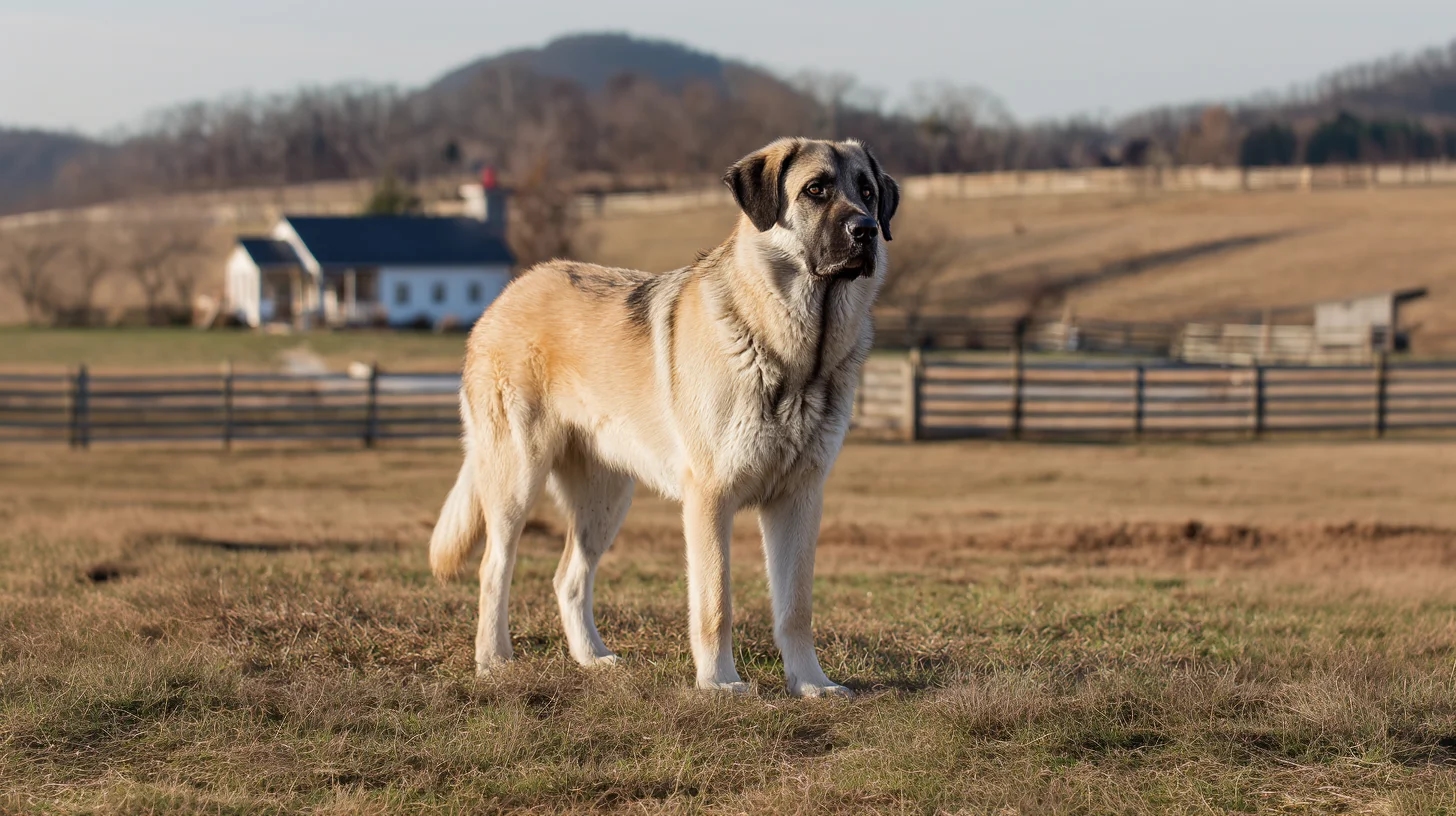
Anatolian Shepherd Dog
Breed Facts
Height
29 inches (male), 27 inches (female) (average)
Weight
110-150 pounds (male), 80-120 pounds (female)
Lifespan
11-13 years
Key Traits
Overview
Strong, steadfast guardians with imposing presence and a deeply loyal spirit. These intelligent, independent dogs blend natural protective instincts with calm devotion—perfect for experienced owners seeking a courageous, self-reliant friend who excels at guarding and forms strong, lasting bonds with family.
Temperament & Personality
Anatolian Shepherd Dogs are calm, confident, and fiercely loyal guardians. Bred for millennia to watch over flocks independently, they have an innate sense of protectiveness over their family and territory. Around their own family, they tend to be gentle, affectionate, and patient – often forming especially strong bonds with their primary owner. They are usually good with older children in their family, displaying a nurturing, watchful attitude. However, due to their great size and protective nature, they may accidentally knock over small kids, so supervision is important. With strangers or outsiders, Anatolians are typically wary and reserved. They won’t usually seek attention from strangers and can be aloof or suspicious until they determine there’s no threat. This guardian instinct means they will bark at perceived threats – whether that’s a strange animal approaching the yard or an unfamiliar person near the home. In a suburban environment, this vigilance can translate to nuisance barking if not managed, as an Anatolian will sound the alarm whenever something seems amiss.
Independence is a hallmark of the breed’s personality. Anatolian Shepherds were developed to work with humans but not rely on constant commands; they had to think for themselves in the field. As a result, your Anatolian might be stubborn or self-willed. They are highly intelligent, but they prefer to make decisions on their own – a trait that can be both impressive and challenging. Don’t expect the eager-to-please demeanor of, say, a Labrador; an Anatolian will obey a command if it makes sense to them or if you have established firm, fair leadership. They are often quite low-key indoors, content to lounge in a favorite spot where they can keep an eye on things. But if they sense a threat, they will move with surprising speed and determination to investigate or confront it. Overall, the Anatolian Shepherd Dog’s temperament is best suited for owners who appreciate a protective, independent companion – they are loving with their pack but always on duty as a guardian.
Care, Living Environment, & Grooming
Caring for an Anatolian Shepherd Dog means understanding the needs of a giant working breed. These dogs do not require extreme exercise like some high-energy herding breeds, but they do need space and a purpose. A house with a large securely fenced yard (or a farm) is ideal. Anatolians are not well-suited to apartment living – their size (often 100+ pounds) and tendency to bark at threats make them a poor fit for close quarters or neighbors. They thrive in a setting where they can patrol a yard or property. If kept in an urban or suburban home, ensure your yard fence is high and very secure, as Anatolians are strong and could push through weak fencing if motivated. While they don’t wander aimlessly, they will give chase to perceived intruders (like stray animals) if boundaries aren’t secure.
In terms of exercise, Anatolian Shepherds have moderate needs. They are not hyperactive dogs; much of the day they’re content with a couple of good walks and some outdoor time. Aim for at least 30-60 minutes of exercise daily, which can be a long walk or two shorter walks plus some free play time. They enjoy having a job to do – even if that “job” is walking the perimeter of your yard or accompanying you on errands. Mental stimulation is also important: these dogs like to have their brains engaged, perhaps with puzzle toys or obedience training exercises (in short sessions, since they can get bored with drills). Environmental enrichment can be as simple as giving them a vantage point to observe the world; many Anatolians like to sit on a porch or hill where they can watch for anything unusual. Be mindful of hot weather – Anatolians have thick coats and can overheat, so provide shade and water, and exercise them in cooler parts of the day.
Anatolian Shepherd Dogs have a short double coat that is relatively easy to care for, but they do shed heavily on a seasonal basis. Normally, they shed a moderate amount year-round. Twice a year (typically spring and fall), they “blow” their undercoat, meaning lots of fur will come out over a few weeks. Regular brushing will help manage the shedding and keep their skin healthy:
- Weekly Brushing: For most of the year, brushing once a week with a sturdy brush or comb will remove loose fur and dirt.
- During Shedding Season: When you notice your Anatolian’s coat blowing out, increase brushing to every couple of days. Use an undercoat rake or de-shedding tool to strip out the thick undercoat as it loosens.
- Bathing: Anatolians only need an occasional bath (maybe once a month or every few months) since their coat naturally repels dirt. Too frequent baths can strip the coat’s oils. When you do bathe, use a dog shampoo and make sure the coat is thoroughly dried.
- Ears, Nails, Teeth: Check those big floppy ears weekly for any redness or odor and clean them with a vet-approved cleanser when needed to prevent infections. Trim the dog’s nails about once a month – given their weight, keeping nails short is important for healthy feet. Also, establish a tooth-brushing routine several times a week, as large breeds can be prone to dental issues too.
One special note: Anatolian Shepherds often have lighter pigmentation on areas like the nose and skin; if your dog has a pink or pale nose, apply pet-safe sunscreen when they’ll be in strong sun, as they can get sunburned. Otherwise, they tolerate cold and heat reasonably well (they were bred for harsh Turkish climates), but always provide basic comfort – a cool place to rest in summer, and a cozy shelter in winter. Diet should be formulated for large or giant breed dogs. As puppies, Anatolians need a large-breed puppy formula to ensure slow, steady growth (rapid growth can stress their joints). Adults typically eat a substantial amount of food – split into two meals a day to reduce bloat risk. Always have fresh water available, especially since these dogs often prefer to lounge outside where it might be warm. With appropriate care and living conditions, an Anatolian Shepherd Dog will be a hardy, low-maintenance companion who just needs your leadership and love.
Training & Socialization
Training an Anatolian Shepherd Dog requires patience, consistency, and a clear understanding of the breed’s independent nature. These dogs are highly intelligent but also strong-willed. They were bred to make decisions on their own while guarding livestock, so they aren’t the type to slavishly follow every command. That said, Anatolians can learn obedience basics – they just might respond with a “what’s in it for me?” attitude. Use positive reinforcement methods, as harsh training will only make them more stubborn or even defensive. Reward-based training with high-value treats and praise works, but you may need to be extra enticing to hold their interest. Keep training sessions short and varied, because an Anatolian will get bored with repetitive drills. For example, practice “sit” and “stay” for a few minutes, then perhaps switch to a fun game or a short walk as a reward before doing another command.
One of the biggest challenges is establishing reliable recall and leash manners. Anatolians are so large and powerful that you must train them not to pull on leash early on. A front-clip harness can help discourage pulling. Teaching recall (the “come” command) is tough due to their independent streak, so always practice in a safe, enclosed area or on a long lead, and never assume an Anatolian will off-leash heel like a Border Collie. Many owners find that even with training, it’s safest to keep these dogs leashed or in fenced areas – their protective instincts could cause them to run off to chase a perceived intruder or predator.
Socialization is absolutely critical for an Anatolian Shepherd, starting from puppyhood. Without extensive positive exposure to different people and dogs, Anatolians may regard all outsiders with suspicion. Introduce your puppy to friendly strangers, children, different environments, and other animals in controlled settings so they learn to differentiate normal situations from true threats. Puppy classes are highly recommended – not so much to teach sit/stay (though that helps) but to get your Anatolian used to obeying commands around other dogs and people. Continue socialization throughout adolescence, since guardian breeds can go through a phase of heightened wariness as they mature. Properly socialized Anatolians can accept visitors into the home calmly, and can have dog friends, but they will always have that guardian spark ready if something seems off.
It’s also important to establish leadership with this breed. This doesn’t mean being harsh; it means being confident, consistent, and fair. Set rules (for example, no jumping on people, waiting at the door, etc.) and enforce them kindly but firmly. If you let an Anatolian figure out that you won’t enforce a command, they will happily assume they are in charge. Many owners enlist the help of professional trainers or behaviorists, especially if they are not experienced with independent breeds. A trainer familiar with livestock guardians can provide valuable insight. Remember, the goal is a well-mannered partner, not a submissive robot – your Anatolian won’t be a perky obedience star, but with the right approach, they will respect you and follow the household rules. Celebrate the small wins, be consistent, and always keep socialization and training a positive experience. Over time, you’ll have a dog who is both a devoted protector and a manageable family member.
Health Considerations
Anatolian Shepherd Dogs are generally robust and hardy. They have an average lifespan of about 11–13 years, which is relatively long for a giant breed. While they don’t have an excessive list of health problems, there are a few conditions and genetic predispositions owners should be mindful of:
- Hip and Elbow Dysplasia: These developmental joint disorders can affect large breeds like the Anatolian. Dysplasia occurs when the hip or elbow joints don’t form properly, leading to arthritis and mobility issues. Responsible breeders screen their dogs (via X-rays) to reduce the incidence. While hip dysplasia is noted in the breed, some sources suggest it’s less common in Anatolians compared to other large breeds. Still, watch for signs of hind limb stiffness or lameness as your dog ages. Maintaining a lean weight and providing joint supplements can support joint health.
- Entropion (Eyelid Disorder): Entropion is a condition where the eyelid rolls inward, causing eyelashes to rub against the eye. This can lead to irritation or ulcers on the cornea. Anatolians have been known to inherit this issue. It often appears in young dogs and can be corrected with a minor surgical procedure if severe. If you notice excessive tearing or your dog pawing at their eye, have the vet check for entropion.
- Bloat (Gastric Dilatation-Volvulus): Like many deep-chested breeds, Anatolian Shepherds are at risk for bloat, a life-threatening condition where the stomach twists after rapidly filling with gas or food. This is an emergency – symptoms include retching without vomiting, a swollen abdomen, and collapse. To help prevent GDV, feed your Anatolian two smaller meals per day instead of one large meal, and avoid heavy exercise right after eating. Some owners elect for a preventive surgery called gastropexy (often done during spay/neuter) which can secure the stomach in place.
- Hypothyroidism: Anatolians can develop hypothyroidism (low thyroid hormone production) which leads to symptoms like weight gain, lethargy, and skin/coat problems. It’s typically diagnosed with blood tests and is treatable with daily medication. Regular vet check-ups can catch this, especially if you notice your dog slowing down abnormally or gaining weight without increased food intake.
- Sensitivity to Anesthesia: A lesser-known concern is that Anatolian Shepherds may be more sensitive to anesthesia. This means they might take longer to wake up or recover after surgeries. It’s not a disease, but it’s something to tell your vet if your dog ever needs to be put under – the vet may adjust protocols accordingly.
- Other Considerations: Overall, Anatolians don’t suffer from a wide array of genetic diseases. You should still be aware of basic giant breed issues like osteosarcoma (bone cancer) or heart problems (dilated cardiomyopathy), though these are not exceedingly common in the breed. Routine veterinary care and keeping an eye on any limping, coughing, or unusual behavior will help catch problems early.
To ensure a healthy Anatolian Shepherd, get your puppy from a reputable breeder who has done health tests on the parents (hips, thyroid, etc.). It’s also wise to have regular vet exams to monitor their joints and organ function as they get older. Preventive care such as orthopedic evaluations (especially if you notice any gait issues) and eye exams can be useful. The Anatolian Shepherd Dog Club of America recommends screenings for hip/elbow dysplasia and eye exams for breeding dogs. With proper care, many Anatolians remain vigorous guardians well into their senior years.
Cost of Ownership
Owning an Anatolian Shepherd Dog tends to be a significant financial commitment, mainly because of the dog’s large size. On average, budget around $2,000 per year for the care of an Anatolian Shepherd. Here’s how the typical expenses break down:
- Food: Big dogs eat a lot. You can expect to go through a 30-40 lb bag of quality large-breed dog food roughly every month. That can cost about $50–$80 per month depending on the brand, totaling approximately $600–$900 per year just on food. Don’t forget treats and chew bones, which might add another $100 annually.
- Veterinary Care: Routine vet care (annual exams, vaccines, heartworm testing, and flea/tick/heartworm preventatives) for a giant breed can run around $300–$500 per year. Keep in mind that medications (like heartworm prevention or antibiotics) are often dosed by weight – an Anatolian’s dosage (and cost) will be higher than that for a small dog. Also, any procedures (e.g., anesthesia for a dental cleaning) will cost more for a larger dog due to the need for more drugs, larger equipment, etc. It’s wise to set aside extra savings for emergencies, since surgeries or treatments for large dogs can be costly.
- Pet Insurance: Given the potential for expensive health issues (like bloat surgery or orthopedic injuries), many Anatolian owners consider pet insurance. Insurance for a giant breed might be around $50–$70 per month, depending on coverage (approximately $600–$800 per year). This can help offset major medical bills. If you don’t get insurance, ensure you have an emergency fund because an unexpected surgery for a 120-pound dog can easily cost a few thousand dollars.
- Grooming: The good news is Anatolians have an easy-care coat. Professional grooming isn’t usually necessary beyond the occasional nail trim (which you can also learn to do yourself). You might spend ~$100 a year on grooming supplies like brushes, de-shedding tools, shampoo, and ear cleaner. If you choose to take your dog to a groomer during heavy shedding seasons for a thorough blow-out, each session might be $50–$100 given the dog’s size. Even so, grooming costs are relatively low compared to many other expenses.
- Training and Miscellaneous Supplies: Given this breed’s independent nature, investing in training early on is important. Puppy classes or basic obedience classes might cost a few hundred dollars. You might also want periodic sessions with a professional trainer, especially if behavioral issues arise – budget perhaps $300 in the first year for training classes. Don’t forget large dog supplies: a giant crate, sturdy leash and collar, big dog bed, and lots of durable toys (Anatolians have powerful jaws, so heavy-duty chew toys are a must). Initial setup for these can be $500+ in the first year (most of these are one-time costs). Each year, plan on replacing worn toys or gear (maybe $100/year).
Also note, the first year of owning an Anatolian Shepherd will likely be the most expensive. If you’re buying a puppy from a breeder, that could cost anywhere from $800 to $1,500 or more. Initial veterinary work (spay/neuter, all the puppy shots, deworming, microchip) often adds a few hundred dollars. When all is said and done, the first-year costs including the puppy, vet care, training, and supplies can easily reach $3,000 to $5,000. After that, the annual costs (~$2,000) mostly reflect food and routine care for such a large dog. Owning a dog of this size also comes with incidental costs – for example, if you travel, boarding a giant breed or hiring a pet sitter might cost more. All these numbers are estimates; actual costs can vary by region and the individual dog’s needs. But it’s safe to say an Anatolian Shepherd Dog will require a solid budget. They are absolutely worth it if you value their guardianship and companionship, but make sure you’re financially prepared to care for this gentle giant.
Pros and Cons
Pros
- Loyal and Protective: Anatolian Shepherds are devoted to their families and will courageously protect your home and livestock. You’ll have a built-in guardian who is alert to any danger.
- Independent and Low-Energy Indoors: Despite their size, they are generally calm and not overly demanding of attention. An Anatolian is content lounging around, as long as they believe they’re doing their “job” of watching over you.
- Low Grooming Needs: They have no need for fancy haircuts and generally only require basic brushing and the usual upkeep. Their coat sheds seasonally, but is otherwise quite maintenance-friendly.
- Hardy and Healthy: This breed is overall robust and can handle rough weather and outdoor living. They don’t suffer from a long list of health issues compared to some purebreds, and with good care many live a long life for a large dog.
Cons
- Not for Novice Owners: Anatolians are strong-willed, large, and powerful. They can be difficult to train and manage without experience – a poor choice for a first-time dog owner. They require confident leadership and consistent training.
- Very Large Size: Everything from food bills to space requirements is bigger. Their sheer size (often over 100 lbs) can make handling and housing them a challenge, and they may unintentionally bowl over children or frail adults.
- Barking and Noise: As natural watch dogs, they tend to bark, especially at night or whenever they sense something unusual. In a neighborhood setting, this can be problematic. They are not quiet apartment dogs by any means.
- Independent/Stubborn Streak: They aren’t eager to please and may ignore commands that they find pointless. Training requires patience, and even a well-trained Anatolian might decide to do things his own way if he disagrees with you.
- Needs Space and a Job: Without a yard or a role, an Anatolian can become unhappy or even destructive. They aren’t adaptable to all living situations – they truly need sufficient space or a form of “work” (like guarding, farm life, or regular outdoor activities) to stay content.
Fun Facts
- Ancient Guardian Lineage: The Anatolian Shepherd Dog’s ancestry dates back to ancient Mesopotamia. In fact, artifacts suggest dogs of this type existed in Turkey as far back as 2000 B.C. They descend from the Çoban Köpeği (Turkish for “shepherd’s dog”), which were used by nomadic shepherds to guard flocks against predators like wolves and bears. The breed’s history gives it a no-nonsense, timeless quality – owning one can feel like having a piece of living history by your side.
- Cheetah Conservation Dogs: Anatolian Shepherds have been employed in Namibia and other parts of Africa to protect livestock from cheetahs. Rather than farmers shooting the endangered big cats, these dogs act as deterrents – their presence and barking keep cheetahs away from goats and sheep. This program, backed by the Cheetah Conservation Fund, has successfully reduced livestock losses and helped save wild cheetahs from being killed. It’s a wonderful example of how an ancient breed finds a very modern conservation role!
- Recognized in the U.S. thanks to a Colonel: The breed was relatively unknown outside Turkey until the mid-20th century. In the 1970s, a U.S. Navy Lieutenant (formerly cited as a Colonel in some accounts) stationed in Turkey brought a pair of Anatolian Shepherds to America, kickstarting interest in the breed. The Anatolian Shepherd Dog was officially recognized by the American Kennel Club in 1996, classed in the Working Group. Today, they are still a somewhat rare breed in the U.S., prized mostly in rural areas where their guarding abilities shine.
Frequently Asked Questions
Do Anatolian Shepherds shed a lot?
Yes, Anatolian Shepherds do shed. They have a thick double coat and are considered seasonal shedders. This means they shed moderately all year, but twice a year (spring and fall) they’ll “blow” their undercoat heavily. During those times, you’ll find clumps of fur coming out and will need to brush them every couple of days to keep up with the shedding. Regular brushing year-round will also minimize loose hair and keep their coat healthy.
Are Anatolian Shepherds good apartment dogs?
No, an Anatolian Shepherd is generally not suited for apartment living. They are extremely large dogs that need space and a job to do. In an apartment, an Anatolian would likely become frustrated due to lack of room to roam, and their protective instinct can lead to frequent barking at noises in a close-knit building. They also require a securely fenced area to exercise off-leash safely. While a very dedicated owner in a rural apartment setting might manage with multiple daily long walks, most Anatolians will struggle without a yard or open space. They do best in homes with plenty of outdoor space and in environments where their watchdog barking won’t disturb the neighbors.
How much exercise does an Anatolian Shepherd need?
Anatolian Shepherds have moderate exercise needs. Despite being working dogs, they are not hyperactive. Plan on at least 30 to 60 minutes of exercise each day. This can be in the form of long walks, gentle hikes, or free time in a fenced yard. Anatolians often enjoy patrolling their territory, which provides both mental and physical activity. They can also accompany you on farm chores or hikes, but they don’t require intense exercise like some high-energy breeds. Be cautious with puppies – avoid forced running or jumping while they’re growing, to protect their joints. Overall, consistent daily activity and interaction are more important than high-intensity workouts for this breed.
Can first-time owners handle an Anatolian Shepherd?
In most cases, Anatolian Shepherds are not recommended for first-time dog owners. Their combination of giant size, strength, and independent temperament can be overwhelming without prior dog experience. Anatolians need an owner who can provide confident leadership, training, and socialization. A novice owner might find it challenging to establish control and could inadvertently allow the dog to become too dominant or unmanageable. If a first-time owner is absolutely set on this breed, they should be prepared to work closely with professional trainers and possibly have a mentor familiar with livestock guardian breeds. Even then, it’s a steep learning curve. Generally, this breed is best suited to individuals or families who have handled large, strong-willed dogs before and understand the responsibility that comes with a guardian breed.
References
Personality Profile
Find your perfect puppy pair!
Take our quick personality quiz to find the breeds that match your personality.
Start Quiz NowKey Traits
Temperament
affectionate
Reserved
Cuddly
energy Level
Calm Companion
High-Energy Dynamo
Social Behavior
good With Children
Best with Adults/Older Kids
Kid-Friendly
barking Level
Quiet-Natured
Talkative
Care & Maintenance
shedding Level
Light Shedder
Heavy Shedder
exercise Needs
Short Walks Enough
Needs Daily Workouts
Learning & Cognition
trainability
Independent Thinker
Eager Learner
mental Stimulation Needs
Content Relaxer
Needs Challenges
Breed Facts
Height
29 inches (male), 27 inches (female) (average)
Weight
110-150 pounds (male), 80-120 pounds (female)
Lifespan
11-13 years
Key Traits
You Might Also Like
Find Your Perfect Puppy Pair
Take our scientifically-backed personality quiz to discover which dog breeds align with your personality.
Start the Quiz