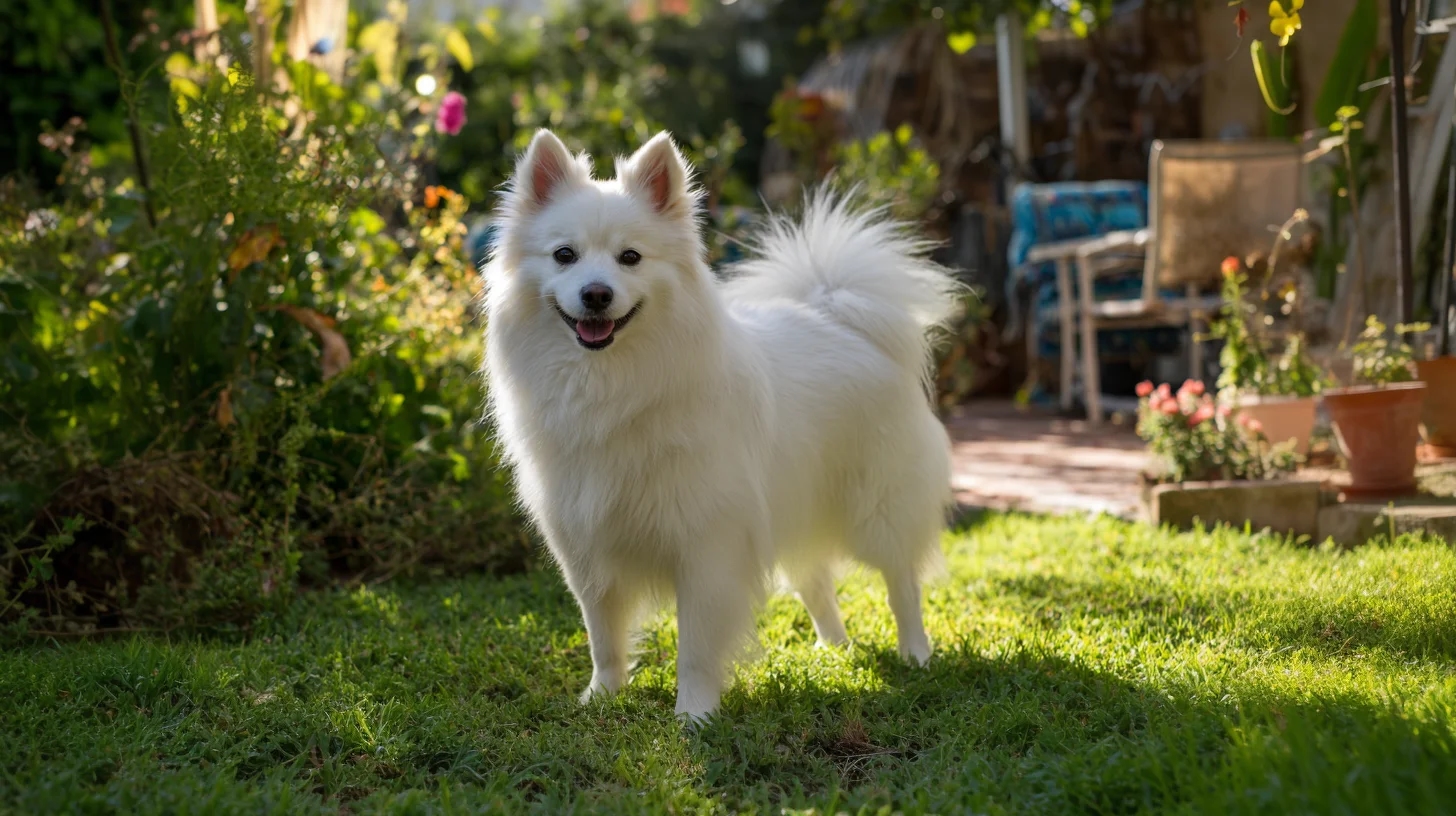
American Eskimo Dog
Breed Facts
Height
9-19 inches (varies by type)
Weight
6-40 pounds (varies by type)
Lifespan
13-15 years
Key Traits
Overview
Cheerful, intelligent companions with fluffy white coats and a lively, friendly spirit. These playful, affectionate dogs blend alertness with deep devotion—perfect for families and individuals seeking a bright, loving friend who thrives on close bonds, entertaining antics, and sharing joy every day.
Temperament & Personality
You'll find the American Eskimo Dog to be exceptionally intelligent, alert, and friendly. They are famous for being eager to please, a trait that makes them both highly trainable and wonderful companions. Your Eskie will form a powerful bond with you and your family, and will want to be included in all activities. This deep connection means they can be prone to separation anxiety if left alone for too long.
Eskies are excellent watchdogs and will use their sharp bark to announce the arrival of any stranger. While protective of their home, they are not an aggressive breed. They are typically a bit reserved or conservative when first meeting new people but will quickly warm up once they know someone is welcome. With children they have been raised with, they are generally playful and patient companions. Their high energy and playful nature make them a joy for an active family.
Care, Living Environment, & Grooming
Caring for your American Eskimo Dog involves a significant commitment to grooming and exercise. These dogs are indoor companions and thrive when living closely with their families. While they can adapt to apartment living, it's only possible if you meet their daily exercise needs and manage their tendency to bark through training.
Your Eskie has boundless energy and requires daily walks, playtime, and mental challenges to stay happy and prevent destructive behaviors. Aim for at least 30-40 minutes of vigorous activity each day. They love engaging activities that challenge their minds, such as obedience training, learning tricks, and dog sports like agility or flyball.
The Eskie's beautiful white double coat is their defining feature, but it requires consistent care. They are constant shedders, with two major "coat blows" in the spring and fall.
- Daily: Brush your Eskie's teeth. They are prone to dental problems, and daily brushing is the best way to maintain their oral health.
- Weekly: Brush their coat at least two to three times a week with a pin brush or metal comb to remove dead hair and prevent matting.
- Monthly: Trim their nails as needed. Clean their ears every couple of weeks to prevent infections.
- As Needed: Bathe your Eskie only every few months. Their coat has natural oils that repel dirt, and over-bathing can dry out their skin.
Training & Socialization
Thanks to their history as circus stars, American Eskimo Dogs are among the most trainable of all breeds. Your Eskie's high intelligence and eagerness to please mean they will learn new commands quickly. They thrive on positive reinforcement methods, so make training sessions fun and engaging with plenty of praise, treats, and games. Consistency is your best tool for success.
Because they are so smart, they can even pick up behaviors—both good and bad—just by watching other dogs. Untrained or under-socialized Eskies can become bored and develop problem behaviors, so it's vital to start training early.
Early and thorough socialization is crucial. Exposing your puppy to a wide variety of people, sounds, and environments will help them grow into a confident, well-adjusted adult who is not overly wary of strangers. A well-socialized Eskie is a friendly and charming companion to all.
Health Considerations
The American Eskimo Dog is a generally healthy breed with a lifespan of 13 to 15 years. However, like all breeds, they are prone to certain genetic health conditions. Responsible breeders will screen their dogs for these issues, but it's important to be aware of them. Regular vet checkups and a healthy lifestyle can help ensure your Eskie lives a long, happy life.
Common health concerns include:
- Dental Disease: Eskies are particularly susceptible to tartar buildup and gum disease. This is their most common health issue, making daily tooth brushing and professional cleanings essential.
- Progressive Retinal Atrophy (PRA): A group of degenerative eye diseases that can lead to blindness. An ophthalmologist evaluation is recommended.
- Legg-Calve-Perthes Disease: A condition where the head of the femur bone deteriorates, causing pain and lameness. It primarily affects toy and miniature varieties.
- Hip Dysplasia: An abnormal formation of the hip socket that can cause arthritis. Breeders should perform hip evaluations.
- Patellar Luxation: A condition where the kneecap dislocates from its normal position.
Cost of Ownership
You can expect the average annual cost of owning an American Eskimo Dog to be around $1800, though this can vary based on your location and choices. First-year costs will be higher due to one-time expenses for supplies, initial vaccinations, and spaying or neutering.
The annual budget breaks down into several key areas. Food will likely cost between $300 and $700. Routine veterinary care, including checkups and flea, tick, and heartworm preventatives, can range from $500 to $800. Pet insurance is a wise investment and can add $400 to $600 or more. A major variable is grooming; if you opt for professional services, this could add another $600 to $1,200 annually, but you can save significantly by handling brushing and nail trims at home.
Pros and Cons
Pros
- Highly intelligent and exceptionally trainable
- Deeply loyal and affectionate with family
- Stunningly beautiful appearance
- Comes in three sizes (Toy, Miniature, Standard)
- Playful and great for active individuals or families
Cons
- Sheds profusely and requires constant grooming
- Prone to separation anxiety if left alone
- Very vocal and tends to bark frequently
- Can be mischievous and destructive if bored
- Initially wary of strangers if not well-socialized
Fun Facts
- Despite the name, the American Eskimo Dog originated in Germany from German Spitz ancestors. The name was changed during World War I due to anti-German sentiment in the U.S.
- An Eskie named Stout's Pal Pierre became a celebrity in the 1930s as the first dog known to walk a tightrope while performing with the Barnum & Bailey Circus.
- The breed's name is a complete misnomer. It has no historical connection to the Indigenous peoples of the Arctic, who were not involved in its development.
Frequently Asked Questions
Do American Eskimo Dogs shed a lot?
Yes, they are known for being heavy shedders. Their thick double coat sheds moderately year-round and will "blow," or shed profusely, during seasonal changes in the spring and fall. Consistent brushing is necessary to manage the fur.
Are American Eskimo Dogs good apartment dogs?
They can be. Their smaller size and desire to be close to their people make them adaptable to apartment life. However, this is only successful if their high energy needs are met with daily walks and play, and their tendency to bark is managed with consistent training.
How much exercise does an American Eskimo Dog need?
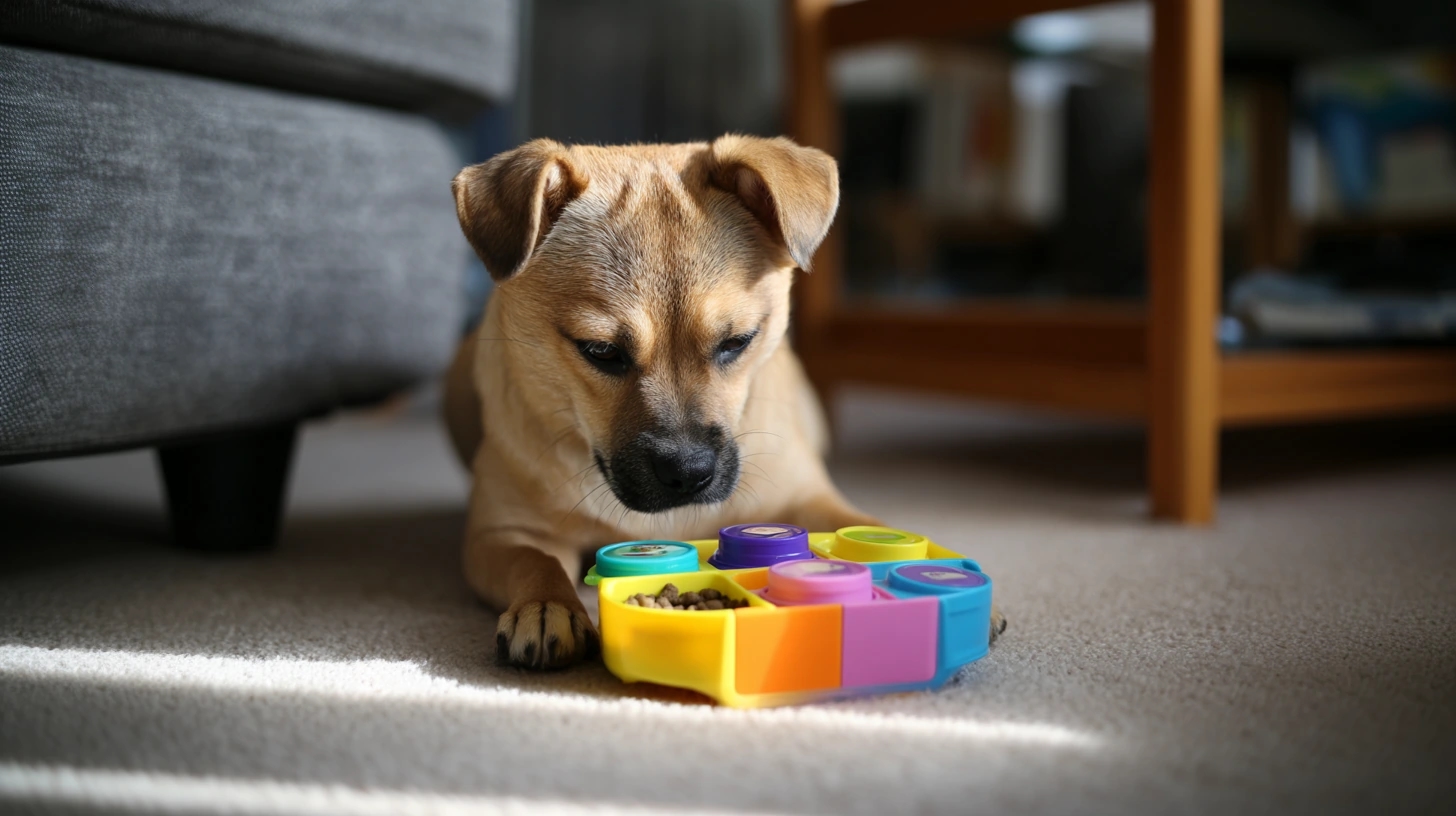
As an active breed, an Eskie needs regular physical activity. You should plan for at least 30-40 minutes of vigorous exercise per day, such as brisk walks or games of fetch, plus mental stimulation like puzzle toys to keep them from becoming bored.
Can first-time owners handle an American Eskimo Dog?
A dedicated and active first-time owner can be successful with an Eskie. While their intelligence makes them easy to train, their high grooming needs, energy levels, and potential for barking and separation anxiety require a significant commitment. They are not a low-maintenance choice.
References
Personality Profile
Find your perfect puppy pair!
Take our quick personality quiz to find the breeds that match your personality.
Start Quiz NowKey Traits
Temperament
affectionate
Reserved
Cuddly
energy Level
Calm Companion
High-Energy Dynamo
Social Behavior
good With Children
Best with Adults/Older Kids
Kid-Friendly
barking Level
Quiet-Natured
Talkative
Care & Maintenance
shedding Level
Light Shedder
Heavy Shedder
exercise Needs
Short Walks Enough
Needs Daily Workouts
Learning & Cognition
trainability
Independent Thinker
Eager Learner
mental Stimulation Needs
Content Relaxer
Needs Challenges
Breed Facts
Height
9-19 inches (varies by type)
Weight
6-40 pounds (varies by type)
Lifespan
13-15 years
Key Traits
You Might Also Like
Find Your Perfect Puppy Pair
Take our scientifically-backed personality quiz to discover which dog breeds align with your personality.
Start the Quiz