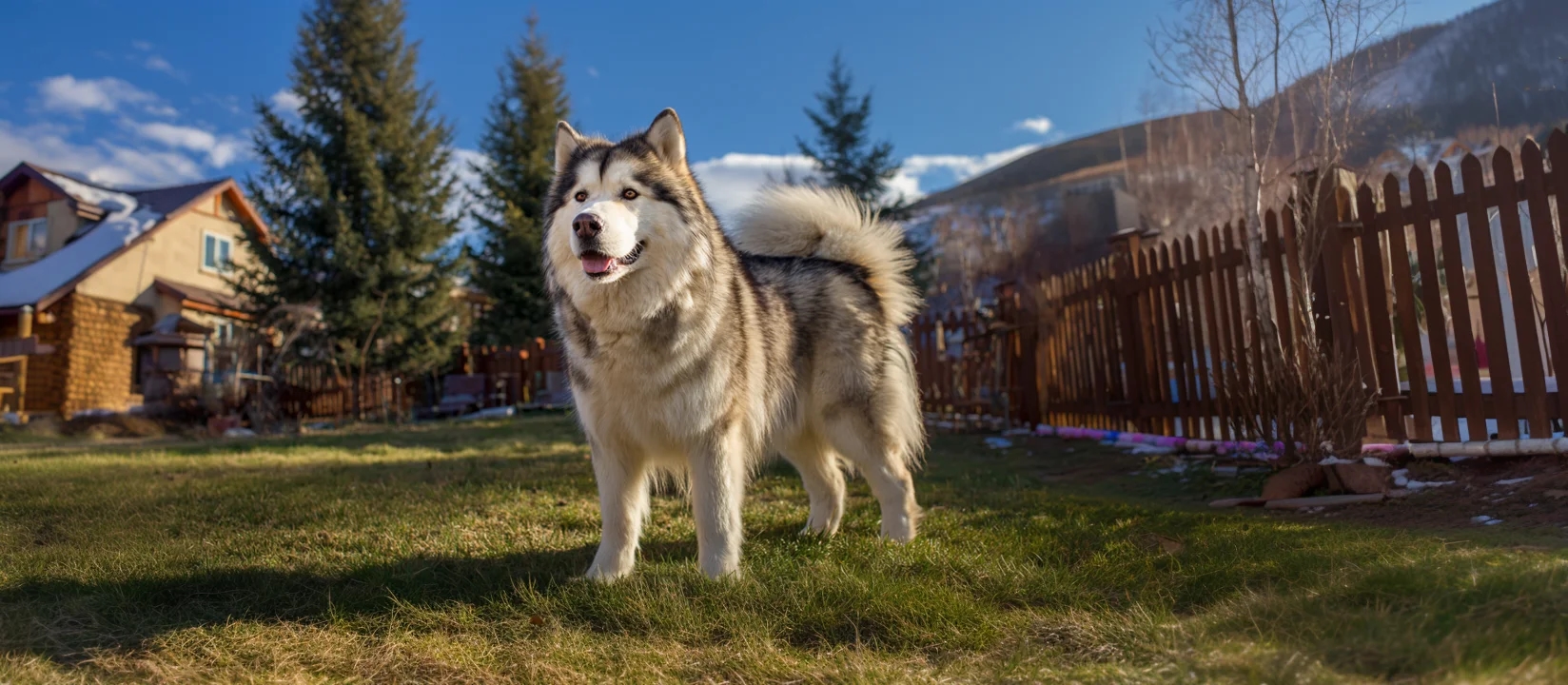
Alaskan Malamute
Breed Facts
Height
25 inches (male), 23 inches (female)
Weight
85 pounds (male), 75 pounds (female)
Lifespan
10-14 years
Key Traits
Overview
Strong, majestic companions with thick coats and an adventurous, independent spirit. These powerful, affectionate dogs blend impressive strength with deep loyalty—perfect for active, experienced owners seeking a spirited, loving friend who thrives on outdoor adventures and close family bonds.
Temperament & Personality
You’ll find your Malamute to be affectionate, loyal, and playful. Malamutes form strong bonds with their family and often enjoy children’s company. They are very people-oriented by nature, but also independent. Early socialization is important because Malamutes have a strong prey drive and may chase small animals if not properly trained. Overall, these dogs are energetic and intelligent; they thrive when given plenty of attention and a consistent routine.
Care, Living Environment & Grooming
Your Malamute requires daily care and plenty of space. They have a thick double coat suited for cold weather, so they do best in cooler climates and can overheat in the heat. Inside, make sure they have room to stretch or a backyard to roam. Plan for at least 1–2 hours of vigorous exercise every day (runs, hikes, or pulling activities).
Grooming is high-maintenance:
- Brushing: Use a slicker brush or undercoat rake several times a week (daily during heavy shed season) to remove loose fur and prevent mats.
- Bathing: Bathe only occasionally (every few months) to avoid stripping natural oils. A clean coat will self-regulate oils but an occasional bath helps control odor.
- Living Space: Malamutes need a cool, spacious area. Provide shade and water; they are not apartment dogs unless heavily exercised. They can become restless or destructive in confined, warm spaces.
- Other Care: Trim nails and clean ears weekly. Check paws regularly, especially after outdoor activities. Diet-wise, feed high-quality dog food in measured meals (free-feeding can lead to bloat in large breeds).
Overall, expect significant grooming time and make sure you can accommodate this large, active dog’s needs.
Training & Socialization
Alaskan Malamutes are highly intelligent but also quite independent. They respond best to positive reinforcement and patient, consistent training. Treats, praise, and play motivate them more than harsh corrections. Socialize your Malamute puppy early – introduce them to children, other dogs, and various situations – so they grow up confident. Pack leadership is important; as working dogs, they need to know that you’re in charge. Obedience classes can help establish this hierarchy. Because Malamutes were bred to pull heavy loads, they excel at activities like skijoring or bikejoring, which can keep training fun and engaging. In short, use reward-based methods and consistent routines – a trained Malamute is a happy Malamute.
Health Considerations
Malamutes are generally healthy with a lifespan around 10–14 years. Common hereditary issues include:
- Hip Dysplasia: Malamutes are prone to hip joint malformation leading to arthritis.
- Elbow Dysplasia: Similar joint issues in the elbow.
- Juvenile Cataracts/Eye Disorders: Malamutes can develop cataracts or other eye problems that impair vision.
- Polyneuropathy: A genetic nerve disorder (Malamute polyneuropathy) causes mobility issues in severe cases.
- Hypothyroidism: An underactive thyroid is possible, affecting weight and energy.
Because these conditions can be serious, responsible breeders screen for them. For example, the Alaskan Malamute Club recommends screening hips, elbows, eyes, and testing for polyneuropathy. Regular vet check-ups and early detection (via hip/elbow x-rays and eye exams) are advised.
Cost of Ownership
Due to their size and needs, Malamutes can be expensive to keep. Major expenses include:
- Food: High-quality diet can be $800–$1,200/year for a large dog.
- Routine Vet Care: Expect $400–$600/year for check-ups, vaccinations, and preventatives.
- Insurance & Preventatives: Budget $500–$1,000/year (depending on coverage) for pet insurance and parasite preventatives.
- Grooming: Professional baths or brushes (or buying tools) may total a few hundred dollars annually.
- Supplies: Bowls, beds, toys, crates ($200–$400 upfront and annual replacements). First-year costs are higher (puppy gear, spay/neuter).
Pros and Cons
Pros
- Loyal and Affectionate Companion
- Playful and great with family
- Highly Intelligent
- Good as a sledding or hiking partner
Cons
- Very High Energy: (requires lots of exercise)
- Heavy Shedding: (daily grooming)
- Strong-willed and can be stubborn
- Not well-suited to hot climates
- Large size: can be overwhelming for some.
Fun Facts
- The Alaskan Malamute is Alaska’s official state dog (since 2010).
- The University of Washington’s “Huskies” mascot is actually an Alaskan Malamute.
- This breed is one of the oldest Arctic sled dogs, originally developed by the Inuit (Mahlemut) people for hauling heavy loads.
Frequently Asked Questions
Do Alaskan Malamutes shed a lot?
Yes. Malamutes have a very thick double coat and shed heavily, especially in spring and fall (called “blowing coat”). Regular brushing (daily during shedding season) is needed to manage fur.
Are Alaskan Malamutes good apartment dogs?
Generally not ideal. Their large size, strength, and high energy mean they prefer homes with yards and cooler climates. In an apartment, you must provide plenty of exercise (long walks or runs twice daily) and air conditioning in warm weather. Without outlets for energy, they may become bored or destructive.
How much exercise does an Alaskan Malamute need?
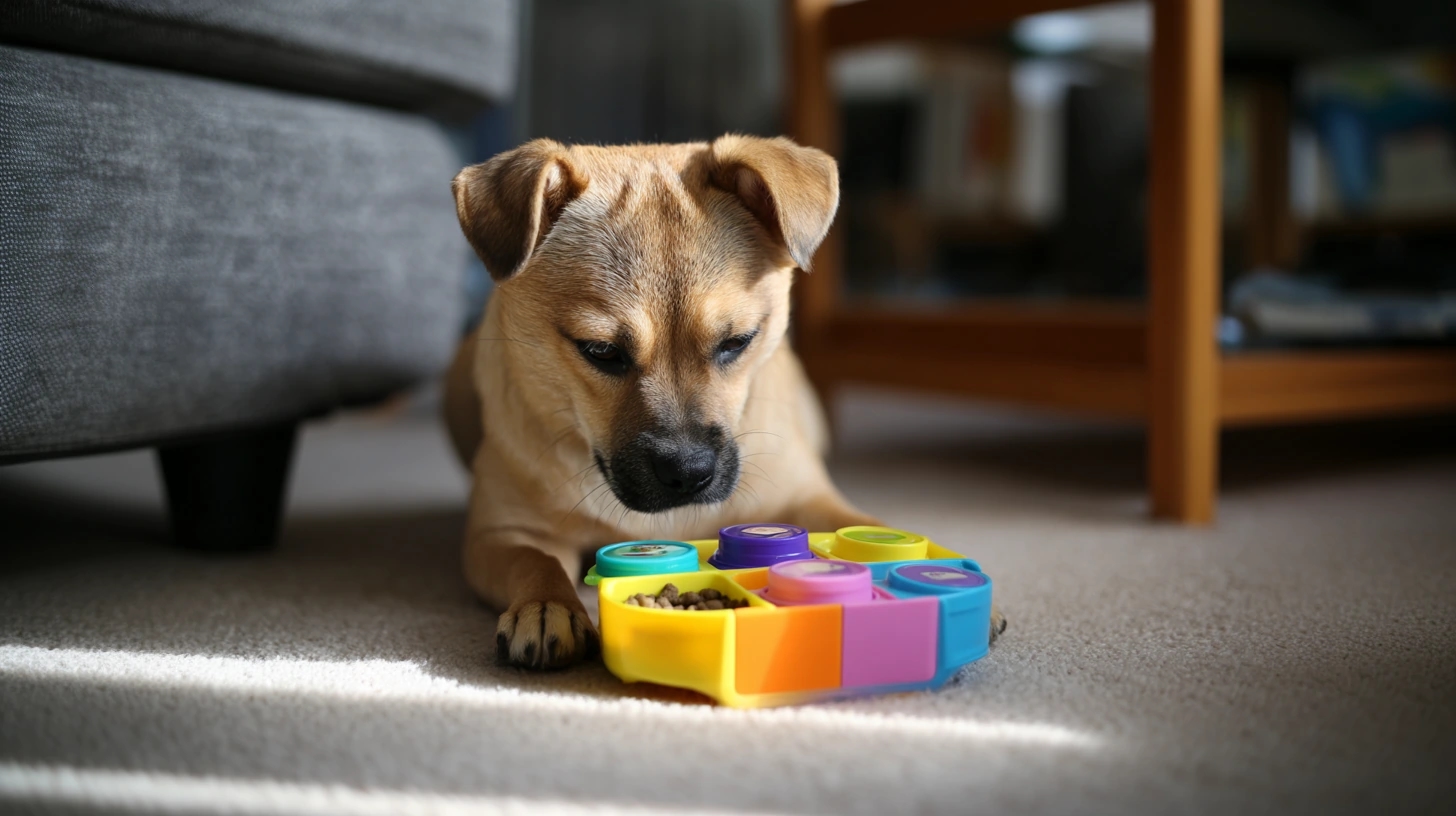
A lot! Malamutes are bred for endurance and need at least 1–2 hours of vigorous activity each day. This can include running, hiking, or pulling sleds/carts. Mental stimulation (training games, puzzles) is also important. A tired Malamute is a happy Malamute.
Can first-time owners handle an Alaskan Malamute?
These dogs are not usually recommended for beginners. Malamutes are smart but independent and can be stubborn. They thrive with experienced owners who use firm, consistent leadership. First-time owners should be prepared for heavy grooming, training, and meeting high exercise needs before bringing a Malamute home.
References
Personality Profile
Find your perfect puppy pair!
Take our quick personality quiz to find the breeds that match your personality.
Start Quiz NowKey Traits
Temperament
affectionate
Reserved
Cuddly
energy Level
Calm Companion
High-Energy Dynamo
Social Behavior
good With Children
Best with Adults/Older Kids
Kid-Friendly
barking Level
Quiet-Natured
Talkative
Care & Maintenance
shedding Level
Light Shedder
Heavy Shedder
exercise Needs
Short Walks Enough
Needs Daily Workouts
Learning & Cognition
trainability
Independent Thinker
Eager Learner
mental Stimulation Needs
Content Relaxer
Needs Challenges
Breed Facts
Height
25 inches (male), 23 inches (female)
Weight
85 pounds (male), 75 pounds (female)
Lifespan
10-14 years
Key Traits
You Might Also Like
Find Your Perfect Puppy Pair
Take our scientifically-backed personality quiz to discover which dog breeds align with your personality.
Start the Quiz